

Reading time: 7 minutes
Immediate response
I car engine problems They can manifest themselves with an engine warning light coming on, loss of power, abnormal noises, smoke from the exhaust, overheating, vibrations or difficulty starting.
Not all of these symptoms indicate a serious fault. However, they become more worrisome when they appear suddenly, worsen rapidly, or are accompanied by red lights, severe power loss, abnormal temperatures, or loud clanking noises.
What you will learn:
- What are the most common symptoms of engine problems.
- What to check when the check engine light comes on.
- What noise, smoke, and loss of power can indicate.
- When it is safe to stop.
- How to tell the difference between some petrol, diesel and hybrid problems.
- Which controls help prevent failures.
Index
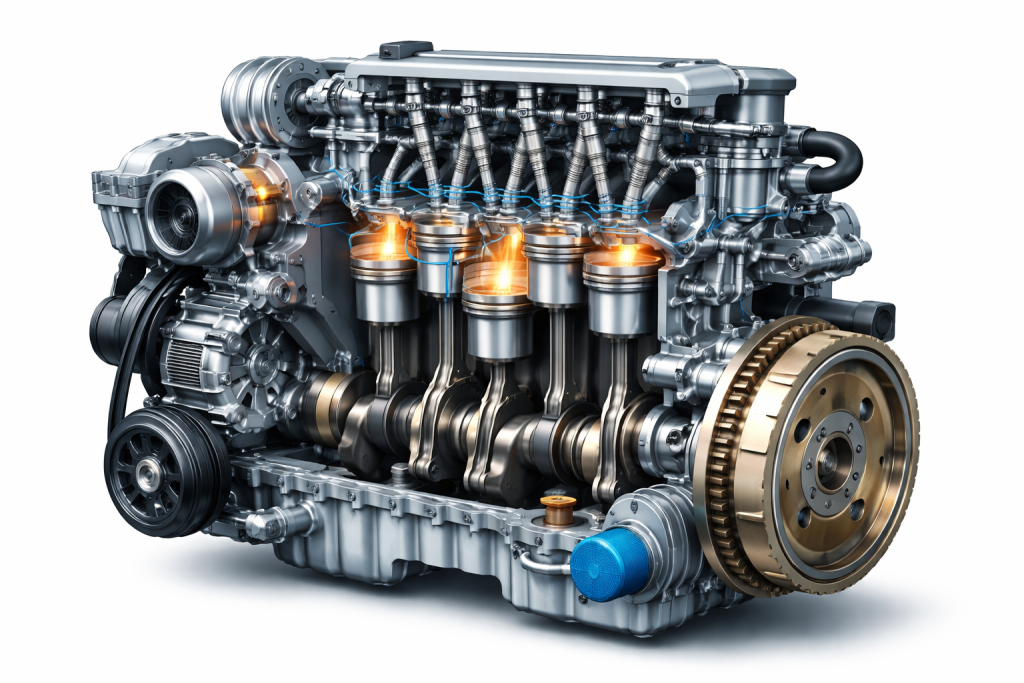
Car engine problems: most common symptoms
The most frequent signs that may indicate an anomaly are:
| Symptom | Possible causes | What to observe |
|---|---|---|
| Engine indicator light | ignition, power, sensors, emissions | fixed or flashing |
| Power loss | air, fuel, turbo, electronics | sudden or progressive |
| Abnormal noises | oil, distribution, accessories, mechanical components | type and time of noise |
| Smoke from the exhaust | combustion, oil, refrigerant | color and persistence |
| Overheating | coolant, thermostat, pump, fan | temperature and warning lights |
| Difficulty starting | battery, ignition, fuel, sensors | cold or hot |
| Vibrations | ignition, power supply, supports | at idle or while driving |
| Losses | oil, coolant or other fluids | quantity and origin |
The presence of one of these symptoms It alone does not allow the faulty component to be identified. It is important to observe when it appears and what other signs accompany it.
When to stop now
It is prudent to stop as soon as safely possible when the following appear:
- red oil pressure light;
- engine temperature too high;
- sudden loud metallic noise;
- heavy smoke accompanied by abnormal functioning;
- sudden and significant loss of power;
- burning smell or obvious fluid leaks;
- very strong vibrations or irregular operation.
A warning light or mild symptom does not automatically mean that the engine is about to break down, but continuing to drive while ignoring important signs can make the problem worse.
Engine light on: what does it mean?
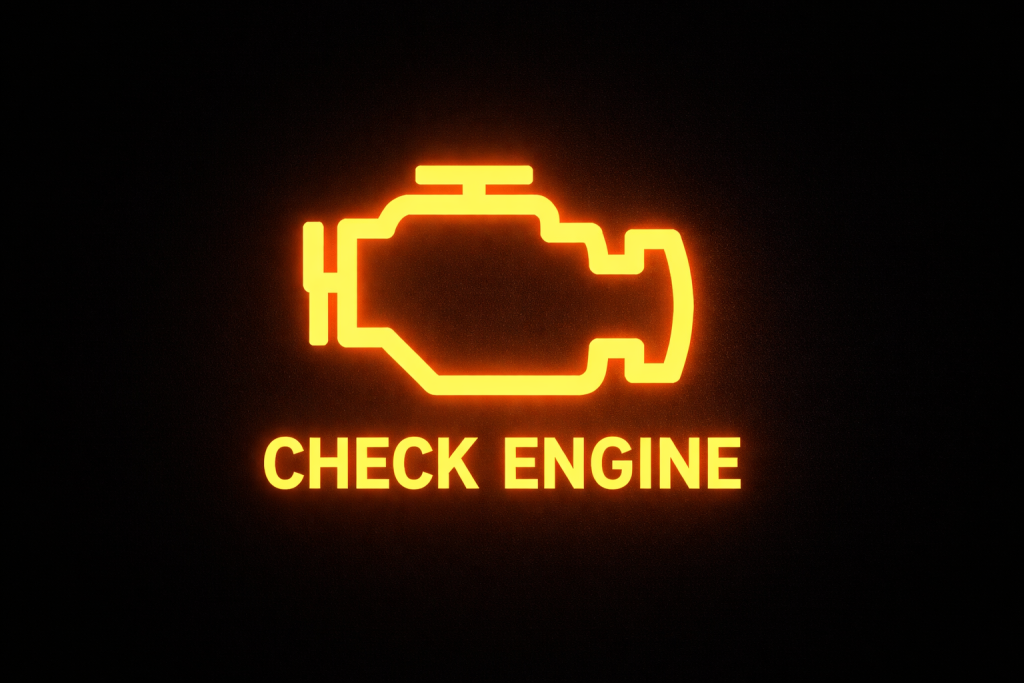
The engine warning light signals that the control unit has detected an anomaly in one of the monitored systems.
The possible causes are numerous and may concern:
- ignition;
- diet;
- sensors;
- aspiration;
- exhaust system and emissions.
Engine light on continuously
If the light is solid and the car is operating normally, it is usually possible to arrange for a diagnosis without automatically considering it an emergency.
However, if loss of power, jerking, noises or other symptoms appear simultaneously, the situation should be evaluated with greater caution.
Engine light flashing
A flashing engine light may be associated with a major misfire, which can cause damage to the catalytic converter.
Reduce stress and, if the engine runs poorly or the light keeps flashing, stop safely and have the car checked.
👉 Learn more:
Loss of power: why the car no longer pushes

If you press the accelerator and the car responds less than usual, there are many possible causes.
Among the most common:
- very dirty air filter;
- power problems;
- injectors;
- sensors;
- EGR system on diesel engines;
- turbo or supercharging circuit;
- control unit protection mode.
A sudden loss of power requires more attention than a progressive decline in performance.
If the car can no longer accelerate normally, jerks hard or warning lights appear, avoid overtaking and situations that require full power.
[EXISTING IMAGE — Injector Additive — KEEP]
An additive can be used, when intended and compatible with the vehicle, as a fuel system cleaner. However, it should not be considered the automatic solution to a loss of power, which can have many other causes.
HELPFUL TIP
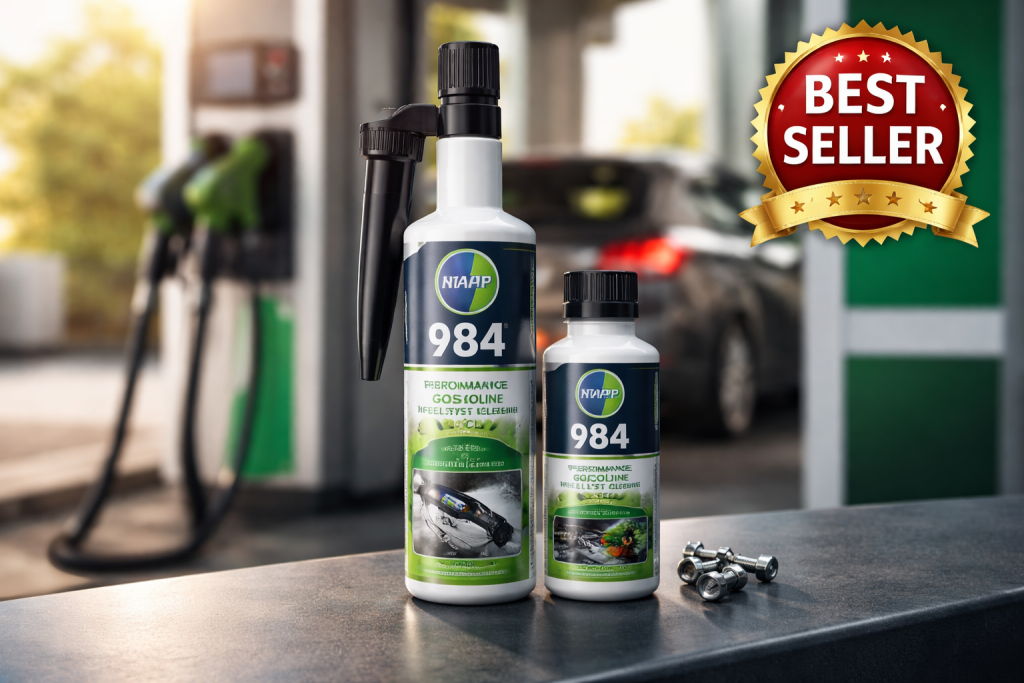
Injector additive
A best-selling fuel additive used to clean injectors, reduce fuel consumption and improve engine efficiency.
See on Amazon →
Strange noises from the engine
A ticking, a metallic knocking, a whistling or a rattling sound can have very different origins.
To understand how urgent the problem is, observe:
- if the noise is new;
- whether it appears cold or hot;
- if it increases by accelerating;
- if it changes with the revs;
- if warning lights appear;
- if the engine loses power.
A sudden loud metallic noise accompanied by warning lights, vibrations or loss of power requires special caution.
Smoke from the exhaust: what it could indicate
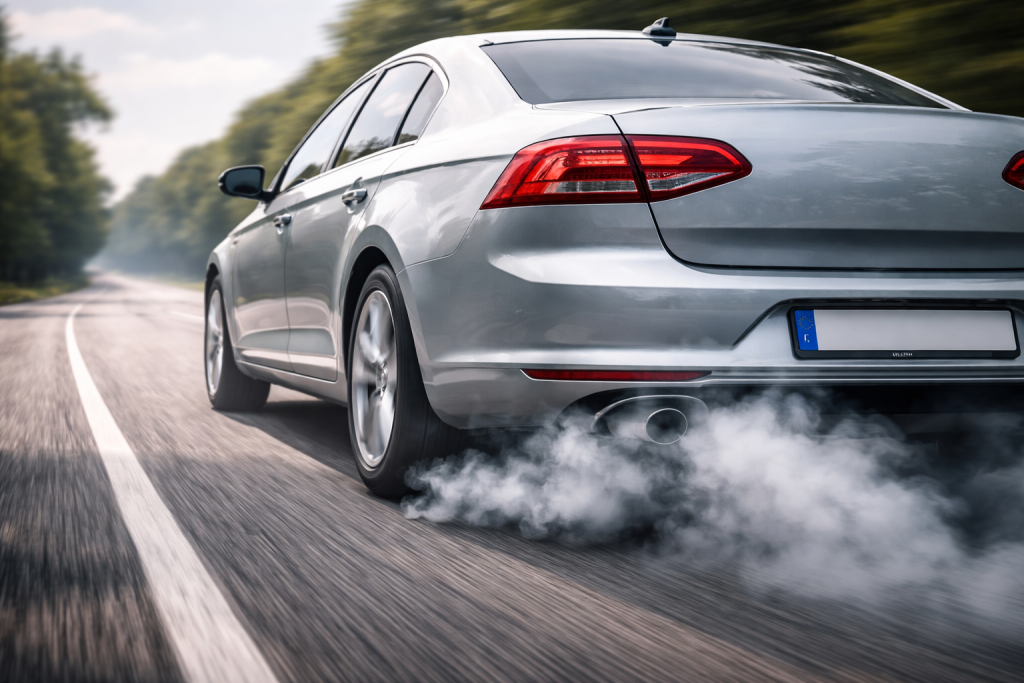
The color of the smoke can provide a clue, but it must be evaluated in conjunction with the conditions in which it appears.
White smoke
A light white vapor when starting, especially at low temperatures, may be normal.
Dense and persistent white smoke when the engine is hot may be associated, among other possible causes, with the presence of coolant in the combustion.
Blue smoke
It may indicate that the engine is burning oil.
Possible causes include internal wear, valve seals, or turbo problems, depending on the engine.
Black smoke
It generally indicates combustion with excess fuel or insufficient air quantity.
It may be associated with fuel, intake, sensor, or diesel-specific system issues.
If smoking is heavy, persistent, or accompanied by loss of potency, a diagnosis is needed.
Engine overheating
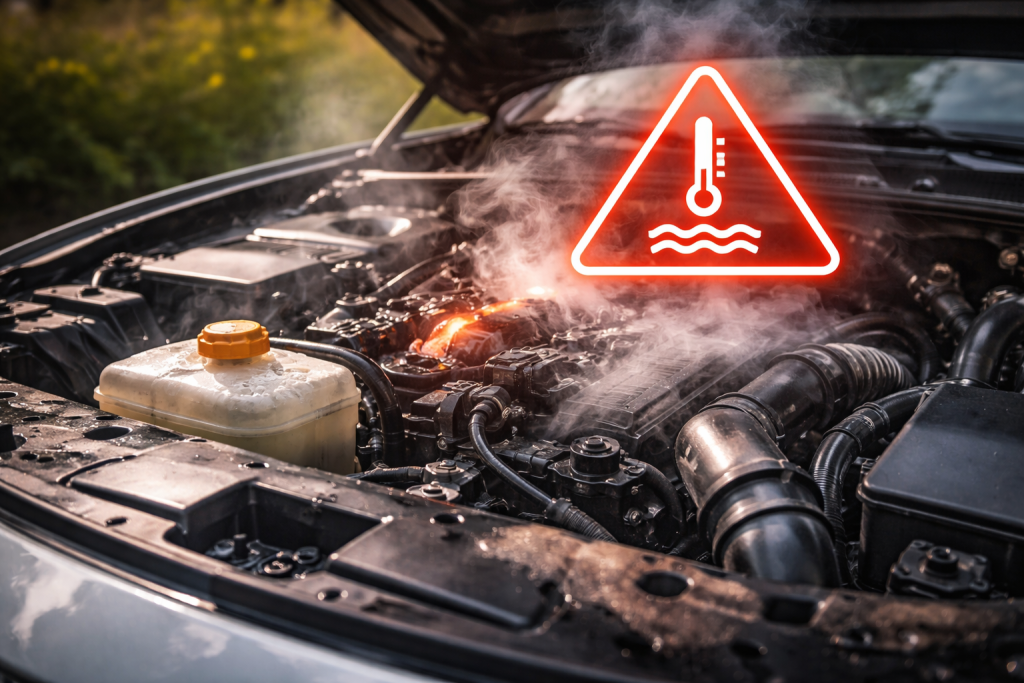
Excessive temperature can cause serious damage if you continue to drive.
Possible causes:
- insufficient coolant level;
- circuit leak;
- thermostat;
- water pump;
- cooling fan;
- radiator or other components of the circuit.
If the temperature rises abnormally or the relevant warning light appears, Stop safely and do not open the coolant cap when it is hot.
👉 Learn more:
👉 Temperature warning light on: what it really means and what to do immediately to avoid engine damage
When you need to top up or replace the coolant, use a product that meets the manufacturer's specifications. The word "universal" doesn't replace checking for compatibility.
HELPFUL TIP

Coolant
Low or stale fluid is among the most common causes of overheating.
See on Amazon →
Car that won't start or struggles to start
A starting problem does not necessarily mean that the engine is faulty.
Possible causes:
- low or weak battery;
- starter motor;
- spark plugs or coils on petrol;
- glow plugs on diesels;
- fuel supply;
- sensors;
- electrical connections.
Observe above all how the car behaves when you try to start itDoes the motor turn slowly, does it turn normally but the engine doesn't start, or does almost nothing happen?
These are different situations and require different controls.
Vibrations and irregular engine
A new vibration can be linked to the engine, but also to the bearings or transmission.
Possible causes:
- failure of one or more cylinders to fire;
- power problems;
- spark plugs or coils;
- injectors;
- engine mounts;
- rough idling.
If the vibrations are accompanied by a flashing engine light or a severe loss of power, avoid further stressing the engine.
Oil Leaks: What to Check
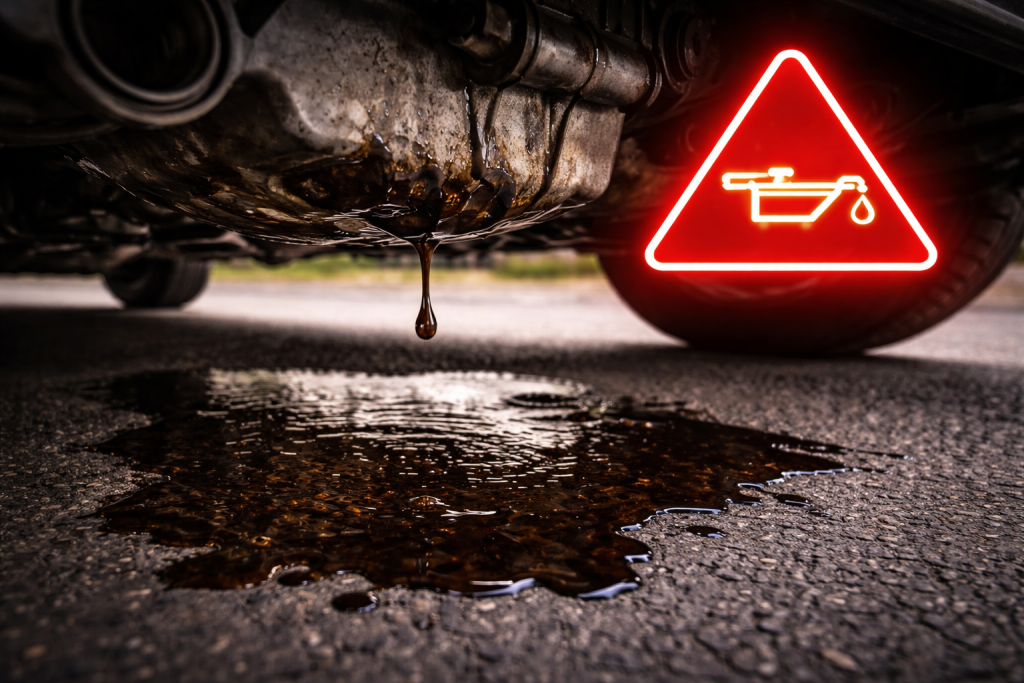
A small trace and a major leak are not the same thing, but both deserve to be identified.
Oil can leak from:
- gaskets;
- oil seals;
- cup;
- filter;
- other points of the lubrication circuit.
Check the level periodically according to the procedure provided for the car.
If the level is below the minimum, the oil pressure warning light comes on, or you find a significant leak, avoid continuing to drive without checking the situation.
Typical diesel engine problems
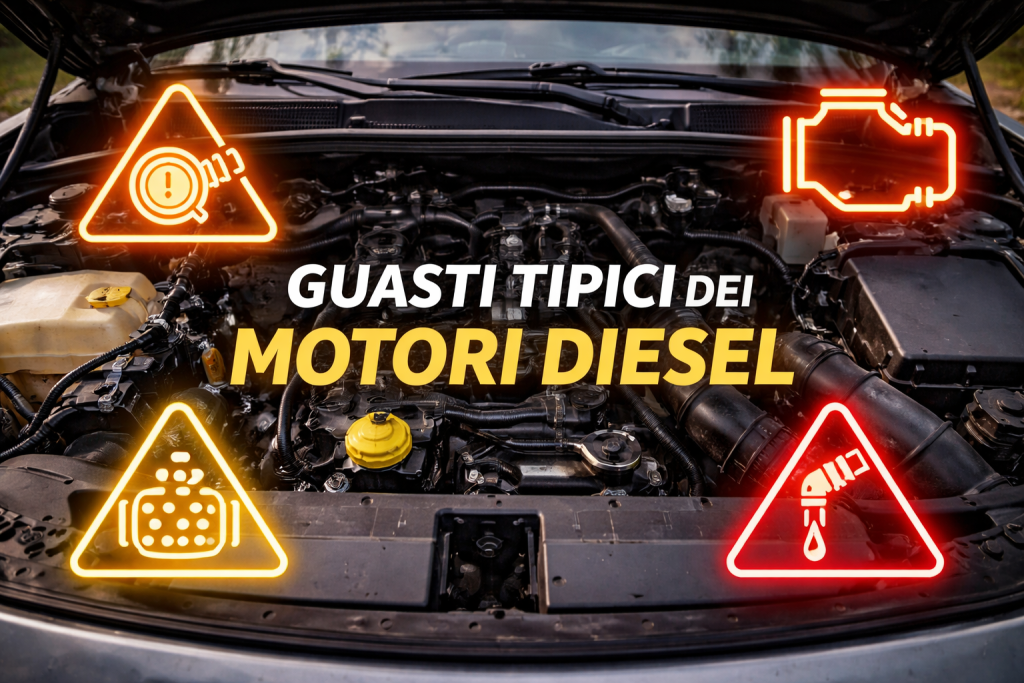
Modern diesel engines use injection and exhaust gas aftertreatment systems that can generate specific symptoms.
EGR
A buildup of deposits or a malfunction may be associated with:
- loss of power;
- irregular functioning;
- smoke;
- engine light.
DPF
The particulate filter traps particulate matter produced by the diesel engine and uses regeneration cycles to reduce their build-up.
Regeneration problems or excessive load can lead to:
- spies;
- reduced performance;
- increase in consumption;
- protection mode.
HELPFUL TIP
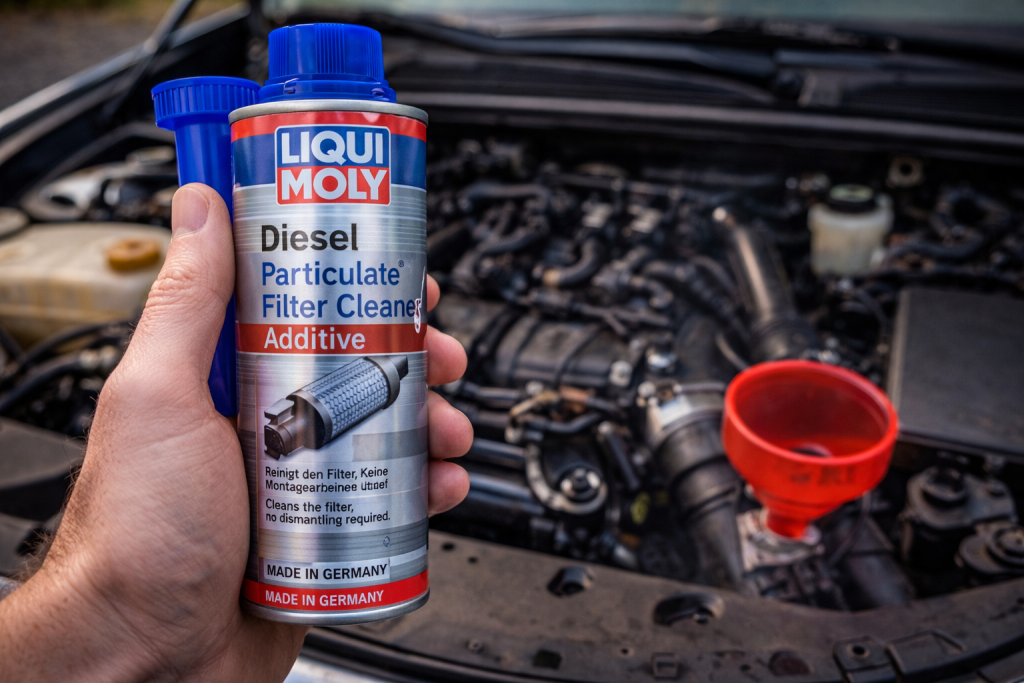
Diesel DPF cleaning additive
See on Amazon →
Diesel injectors
Injector problems can be associated with:
- starting difficulties;
- irregular functioning;
- smoke;
- loss of power;
- increase in consumption.
Turbo
New whistling sounds, loss of power, smoke, or abnormal oil consumption may require an inspection of the turbocharger and its circuitry.
Typical problems with petrol engines

In petrol engines some frequent problems concern the ignition system and mixture management.
Spark plugs and coils
Possible symptoms:
- jerks;
- vibrations;
- starting difficulties;
- loss of power;
- engine light.
Suction and sensors
Sensors or leaks in the intake circuit can alter the engine's operation and cause rough idling, poor fuel consumption or reduced performance.
Distribution
New noises coming from the distribution area, operating difficulties or synchronization anomalies require a specific check.
Problems with hybrid cars

A hybrid car combines a combustion engine, an electrical system, and more complex electronic management.
An anomaly may therefore concern:
- heat engine;
- high voltage battery;
- power electronics;
- cooling systems;
- control units and sensors.
A reduction in electric range does not in itself indicate that the high-voltage battery needs to be replaced.
If you have hybrid or high voltage warning lights, avoid DIY work on high voltage components and have them properly diagnosed.
Cold and hot engine problems

The timing of the symptom can greatly help in the diagnosis.
Cold problems
The following may appear:
- difficult start;
- irregular idle;
- temporary noises;
- initial smoke;
- hesitations.
Battery, ignition, sensors, and power are just some of the possible areas to check.
👉 Learn more:
Hot problems
If the fault appears only after the engine reaches operating temperature, observe any:
- difficulty restarting;
- loss of power;
- irregular idle;
- shutdowns;
- abnormal increase in temperature.
This information can help narrow down your search for the problem significantly.
OBD2 Scanner: When It Can Be Useful
Electronic diagnostics can help when a warning light is present or the control unit has stored error codes.
An OBD2 scanner can provide useful information, but A code does not automatically equate to a faulty component.
For example, a mixture code could be caused by sensors, intake, fuel, or other issues. The code indicates where to start checking.
👉 Learn more:
👉 OBD2 car: complete guide to diagnosis, error codes and FORScan
How to prevent engine problems
Many breakdowns cannot be fully predicted, but proper maintenance reduces the risk of problems related to wear and tear and neglect.
Oil and filter
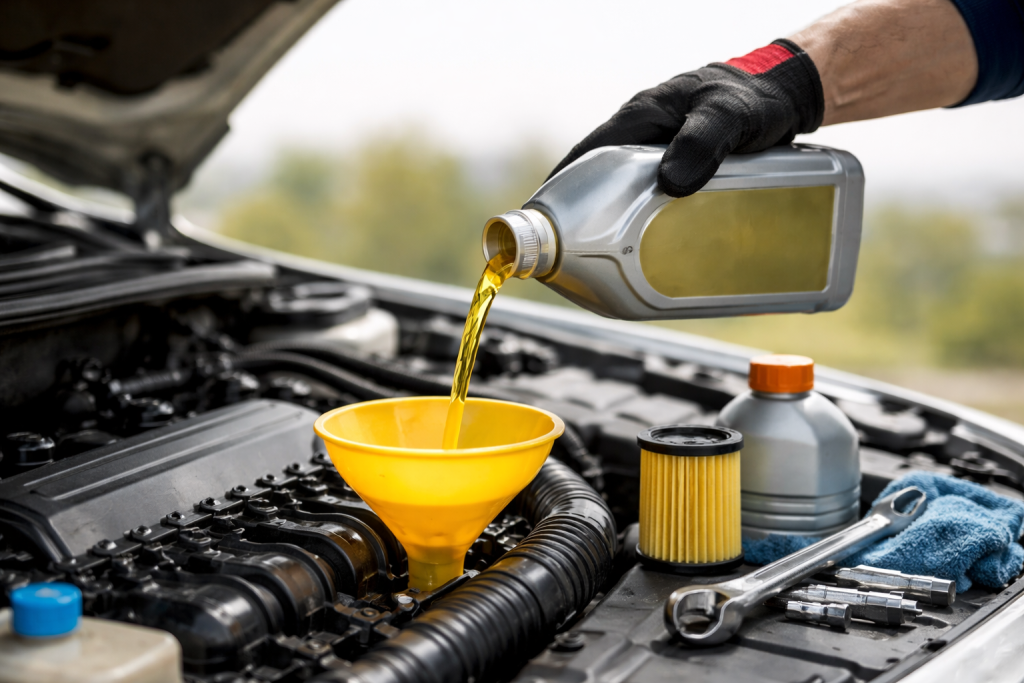
Respect the interval and above all the oil specification provided by the manufacturer.
There is no universal interval that applies to all cars.
If you need to buy engine oil, check the viscosity and specifications required by your vehicle before purchasing.
HELPFUL TIP
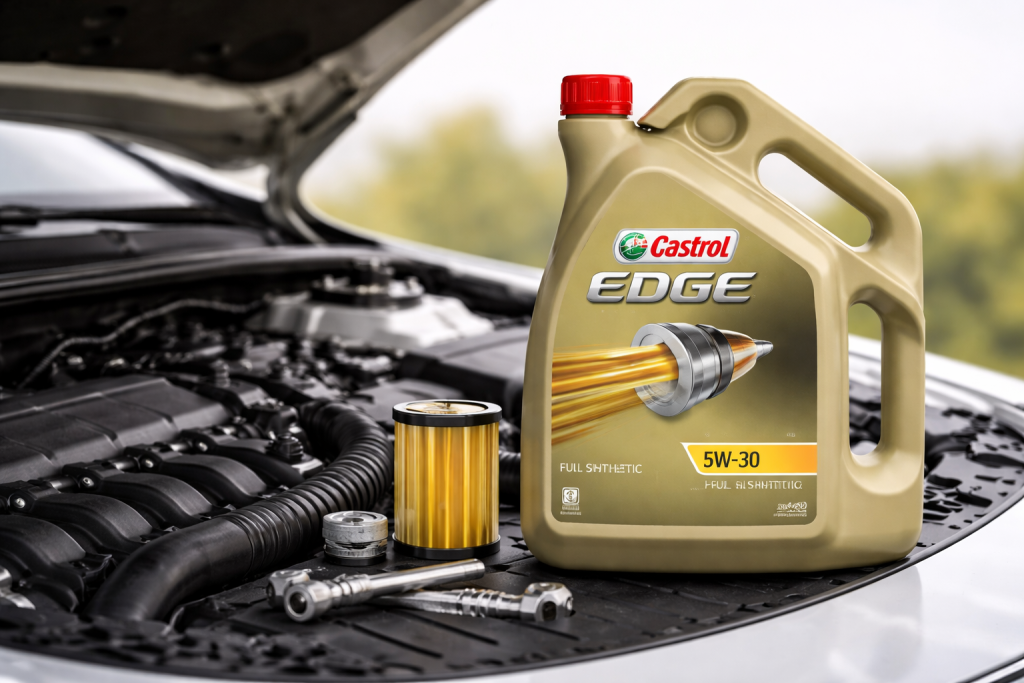
Synthetic engine oil
See on Amazon →
Coolant
Check the level periodically according to the manufacturer's instructions and pay attention to any drops or leaks.
Filters
The air filter, oil and fuel should be replaced according to the maintenance schedule provided for the vehicle.
Don't stress the engine too much when cold
After starting, avoid heavy acceleration until the engine and lubricants gradually reach normal operating conditions.
Don't ignore the changes
New noises, unusual fuel consumption, leaks, warning lights, and changes in your car's behavior are useful information.
👉 Learn more:
How to tell if your engine is healthy
There is no single test, but some signs are positive:
- smooth start;
- stable minimum;
- consistent performance;
- absence of abnormal persistent smoking;
- no new losses;
- no fault lights;
- no new or unusual noises.
What matters most is knowing how your car normally behaves and notice the changes.
Engine problems in used cars

Before buying a used car, check the engine both when cold and after it reaches operating temperature.
Note:
- ease of start-up;
- abnormal noises;
- smoke from the exhaust;
- vibrations;
- any losses;
- spies;
- acceleration regularity.
Also, check the available maintenance records. A verifiable maintenance history is more helpful than simply cleaning the engine compartment.
In summary
I car engine problems They can manifest themselves in many ways, but the signs to look out for are above all:
- spies;
- new noises;
- loss of power;
- persistent smoking;
- abnormal temperature;
- vibrations;
- starting difficulties;
- oil or coolant leaks.
Don't try to guess a fault from just one symptom. Observe when it appears, what changes and what other signs are present.
Oil light, overheating, loud metallic noise or sudden loss of power require special caution.
If you want to focus mainly on durability, read also How to make your car engine last up to 500,000 years

FAQ frequently asked questions about car engine problems
What are the first signs of an engine problem?
Engine light, new noises, loss of power, vibrations, smoke, difficulty starting, and abnormal fuel consumption are among the most common signs. However, none of these alone will definitively identify the fault.
Is it dangerous to drive with an engine problem?
It depends on the problem. A minor anomaly may allow you to get to the repair shop, while low oil pressure, overheating, a loud rattling noise, or a significant loss of power may make it prudent to stop immediately for safety.
How much does it cost to repair an engine problem?
It depends on the component, the car, the labor, and the cause of the failure. Before estimating the cost, it's necessary to correctly identify the problem.
How often should engine maintenance be done?
Follow the intervals recommended by the manufacturer for your vehicle. Oil, filters, timing belts, and other components do not have a universal interval that applies to all engines.
Can I diagnose a problem with an OBD2 scanner?
It can help read stored error codes, but the code doesn't always directly identify the faulty component. It must be interpreted in conjunction with symptoms and other checks.
How can I make my engine last longer?
Follow scheduled maintenance, use the correct specification fluids, avoid heavy cold weather stress, and don't ignore warning lights, leaks, or changes in performance.
Conclusion
Understanding the car engine problems Above all, it means recognizing when the car's behavior changes.
A warning light, noise, or vibration doesn't automatically indicate an engine needs repair or replacement. These are signs that need to be pieced together to pinpoint the root cause.
If you experience overheating, abnormal oil pressure, a loud rattling noise, or a significant loss of power, stop safely. In other cases, diagnosing the problem without waiting for it to worsen can avoid trial-and-error replacements and help maintain engine reliability.


 Italian
  English