
Reading time: 6 minutes
Immediate response
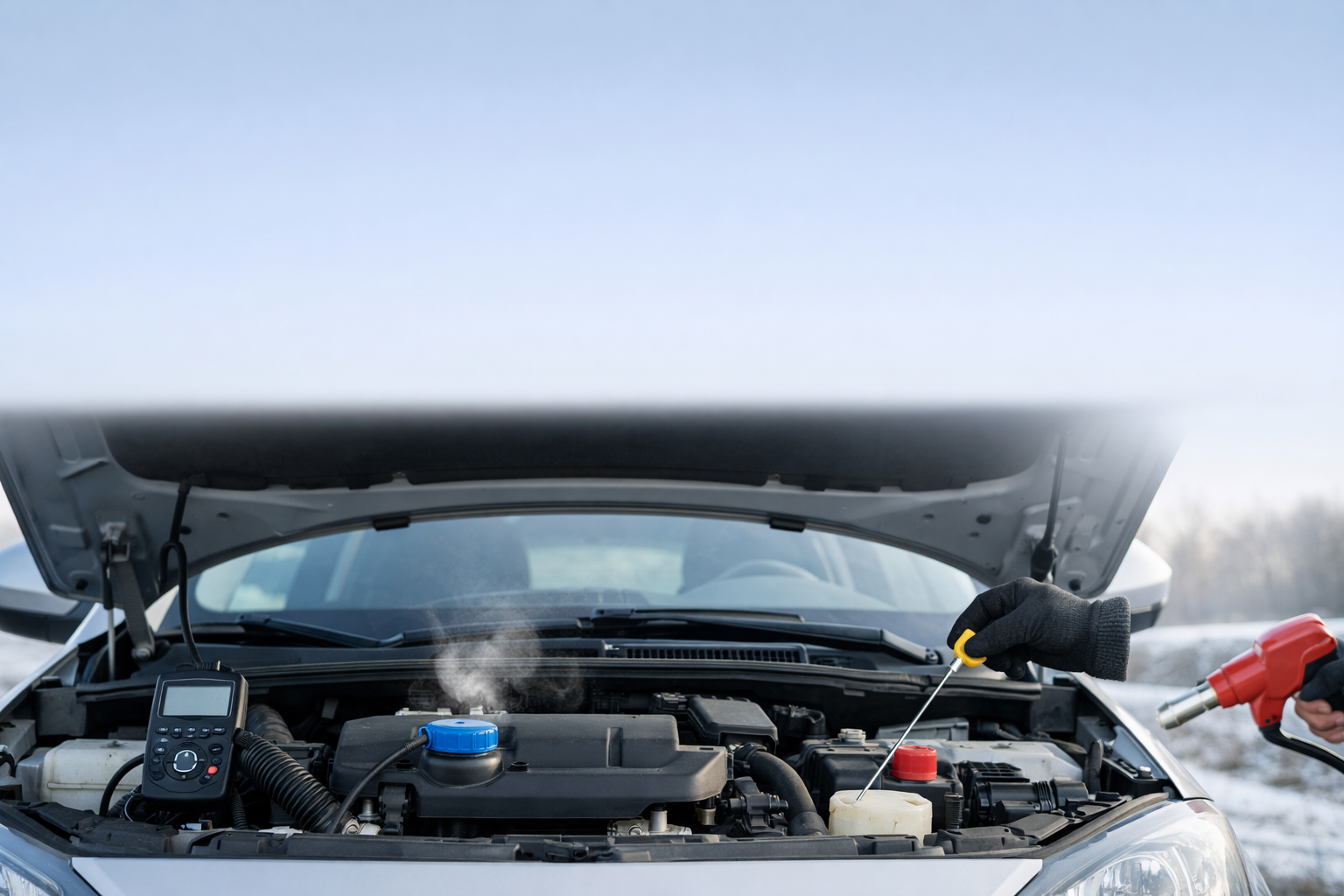
If yours car consumes too much cold, Increased fuel consumption in the first few minutes is normal. The engine needs to reach operating temperature, the oil is thinner, and the electronic management system may use more fuel during warm-up.
The phenomenon is especially noticeable in winter and on short journeys, when the engine spends most of the journey still cold.
However, if fuel consumption remains high even when the engine is warm or if you experience irregular idling, a check engine light, smoke, loss of power, or a strong smell of fuel, it is best to look for a possible anomaly.
What you will learn:
- Why an engine consumes more when it is cold.
- Why short trips worsen fuel consumption.
- How to drive in the first few minutes.
- When high consumption is no longer normal.
- Which components can affect consumption.
- What to check before replacing components.
Index
Why the car consumes more fuel when cold
Immediately after starting, the engine works under different conditions than when it has reached normal operating temperature.
Three main factors come into play:
- mixture and combustion management;
- engine and exhaust system temperatures;
- greater resistance of lubricants and components while still cold.
Because of this Comparing fuel consumption over the first few kilometres with fuel consumption over a long journey can be misleading..
The shorter the route, the greater the impact of the cold phase on average consumption.
What happens to the engine in the first few minutes
Electronic management changes
During start-up and warm-up, the control unit manages fuel, air, ignition and other parameters depending on the engine conditions.
This stage may require more fuel than normal temperature operation.
It doesn't mean there's necessarily a problem.
The oil is less fluid
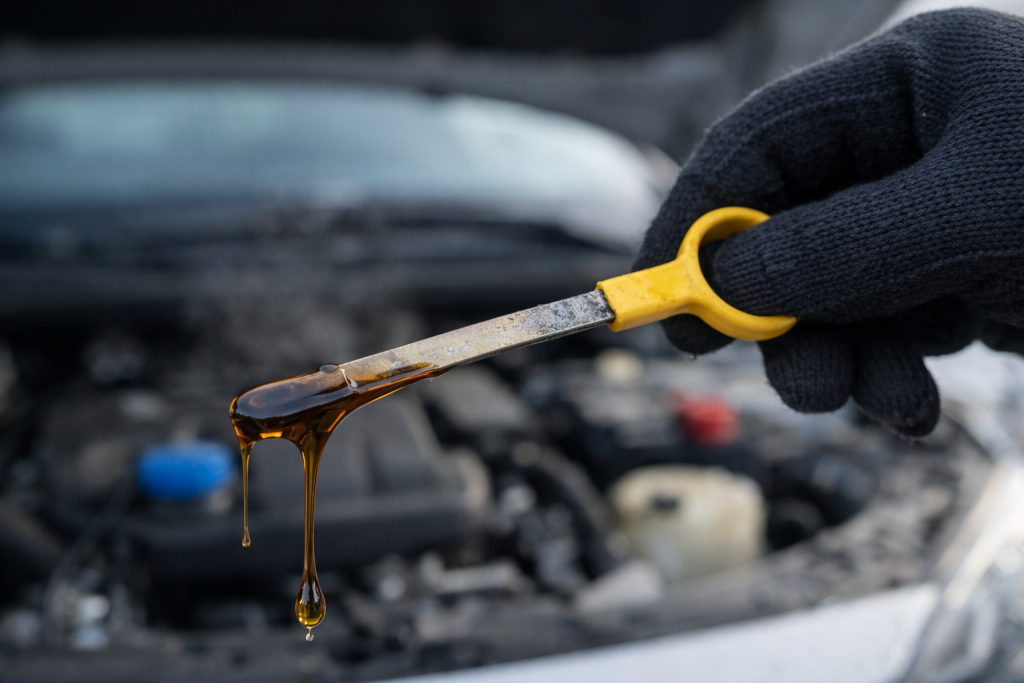
The viscosity of oil varies with temperature.
When cold, the lubricant offers greater resistance than when hot, while the engine must quickly deliver the oil to the points to be lubricated.
This is why it is important to use viscosity and specifications provided by the manufacturer, without choosing an oil generically because it is “more fluid” or “better when cold”.
Engine and exhaust must reach temperature
The catalytic converter and other emission control systems also need to warm up to work under their intended conditions.
During this phase, overall efficiency may be lower than that of a warm engine.
Short journeys: why they increase average fuel consumption
This is one of the main reasons why a driver may notice very different fuel consumption between city and road trips.
If you drive a few kilometers, turn off the car and then drive off again with the engine cold again, a significant part of the usage occurs during the least efficient phase.
The problem becomes more evident when combining:
- low temperatures;
- short routes;
- traffic;
- frequent departures;
- continuous acceleration and braking.
It doesn't mean the engine is faulty: it is the type of use that penalizes average consumption.
When possible, bundling multiple errands into the same trip reduces the number of completely cold starts.
Cold consumption in the city
In the city two factors come together:
cold engine + traffic.
Traffic lights, traffic jams and constant restarts require more acceleration, while on short trips the engine may not have enough time to reach normal operating conditions.
For this reason, urban winter consumption should not be directly compared with that obtained during a long and regular extra-urban journey.
How to drive when the engine is cold
After starting, it is usually not necessary to leave the car stationary for several minutes just to warm up the engine.
After the time needed to start and prepare for departure, drive normally but without putting too much stress on the engine.
In the first few minutes:
- accelerates progressively;
- avoid unnecessarily high revs;
- avoids strong power demands;
- drives smoothly;
- anticipate slowdowns and braking.
The goal is not to drive extremely slowly, but avoid heavy stress while the engine and lubricants are still cold.
Does warming up a car while it's stationary reduce fuel consumption?
Leaving the engine idling means consuming fuel without travelling any distance.
For normal daily starts, a long warm-up while stationary is therefore not a strategy for reducing fuel consumption.
There are, of course, situations where you have to wait for practical or safety reasons, for example to have adequate visibility before setting off.
The priority is always to be able to drive safely.
Outside temperature: why everything changes in winter
When the outside temperature drops:
- the engine starts from a lower temperature;
- lubricants are colder;
- warming up takes longer;
- multiple electrical services are often used;
- Tires and road conditions may change.
For this reason, it is normal to observe seasonal differences.
Therefore, do not use summer consumption as the sole reference to determine whether the car has a problem during the winter.
Do heating, rear window and heated seats consume fuel?
The fan, rear window defroster, heated seats, and other devices require power.
In cars with internal combustion engines, this energy is also produced through the charging system and can contribute to overall consumption.
This however It doesn't mean you have to give up devices necessary for comfort, visibility or safety..
Use them when needed. There's no point in keeping the heated rear window off if the fogged glass reduces visibility just to save a little fuel.
Tire pressure and fuel consumption in winter
As temperatures drop, tire pressure can also change.
Lower than expected pressure increases rolling resistance.
Check it periodically on cold tires using the values indicated by the car manufacturer.
Don't arbitrarily increase the pressure in an attempt to consume less.
Engine oil and cold fuel consumption
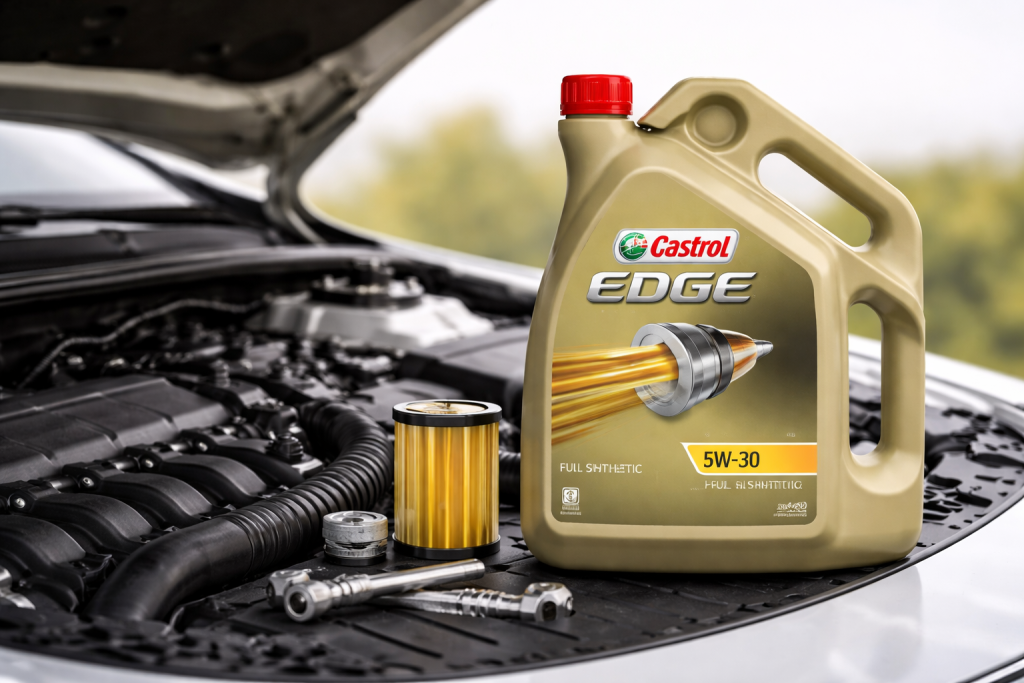
The correct oil is especially important during cold starts.
However, there is no universal viscosity that can be recommended for all cars.
Use:
- expected viscosity;
- specific requests;
- any approvals indicated by the manufacturer.
A 0W-20, a 5W-30 or any other gradation may be correct for one engine and inappropriate for another.
If you need to buy oil, check your vehicle's manual or specifications first.
HELPFUL TIP
Synthetic engine oil
See on Amazon →
When high cold fuel consumption is NOT normal
The important point is to distinguish the normal increase during warm-up from an abnormal consumption that continues even afterwards.
Learn more if you notice:
- high consumption even when the engine is hot;
- sudden increase compared to previous habits;
- irregular idle;
- engine warning light;
- starting difficulties;
- loss of power;
- abnormal smoke;
- strong smell of fuel.
In these cases consumption can only be one of the symptoms of a larger problem.
Read also: Cars that consume too much fuel: 12 causes and what to check.
Engine temperature sensor
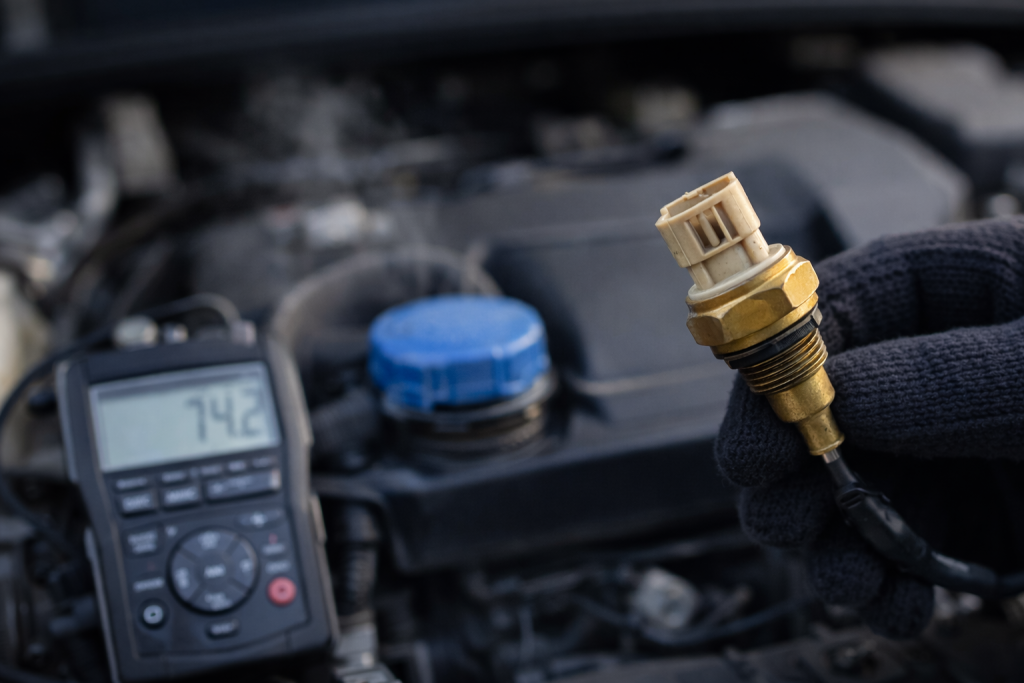
The control unit uses information on the engine temperature to manage its operation.
If the received signal is incorrect, the mixture management and other parameters may be altered.
A possible indication is fuel consumption that remains abnormal even when the engine should be warm.
However, the diagnosis should not be done by replacing the sensor by trial and error: it is better to check the error codes and data available from the control unit.
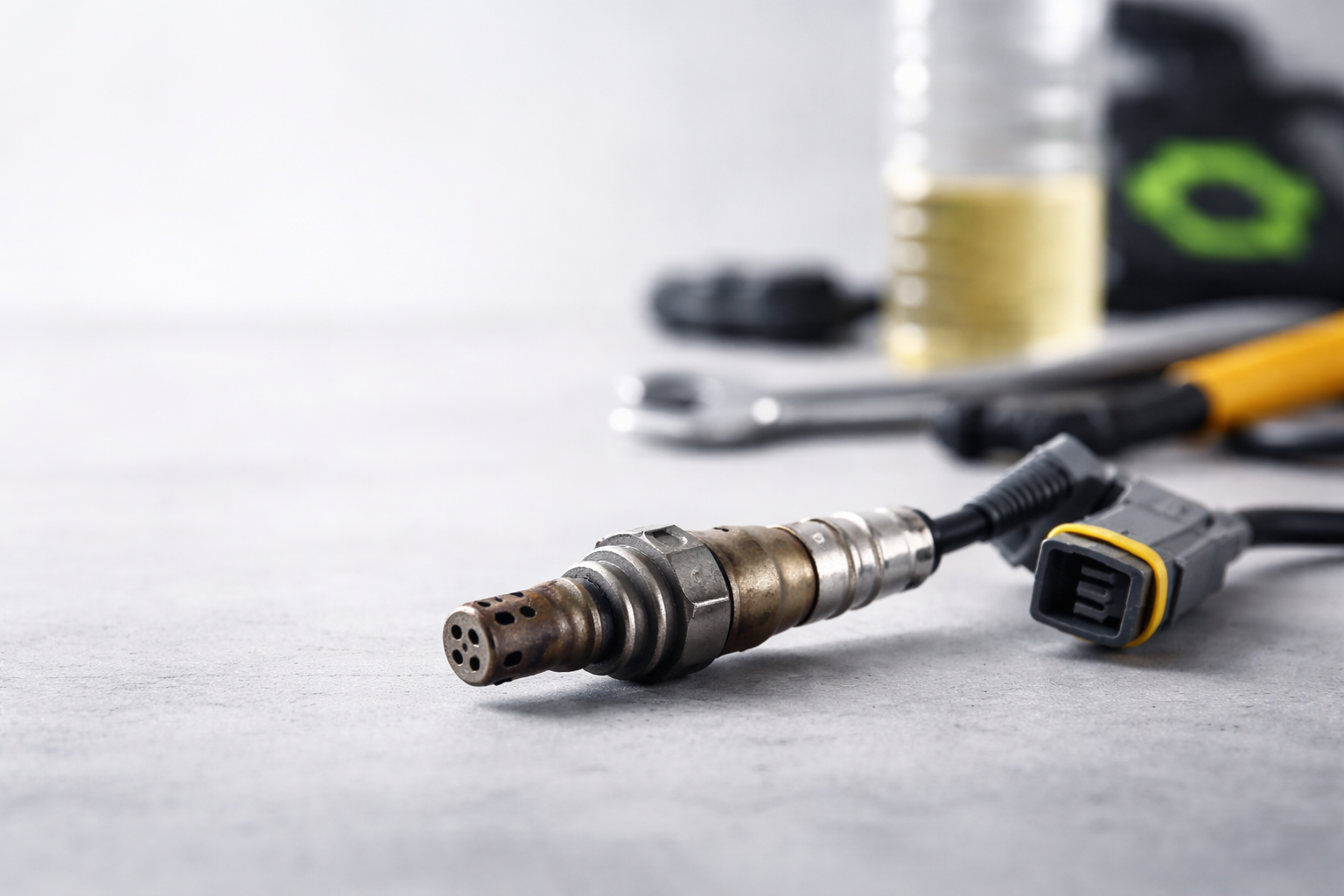
Lambda sensor
The lambda probe provides information on the amount of oxygen present in the exhaust gases.
Its malfunction may be associated with:
- engine warning light;
- abnormal consumption;
- irregular functioning;
- problems in managing the mixture.
High consumption alone does not mean that the probe is faulty.
Read also: Faulty lambda sensor: symptoms, consumption, and solutions
Flow meter and air management
The flow meter, when present, measures the quantity of air sucked in.
An incorrect signal can affect the operation of the engine and may be accompanied by:
- loss of power;
- irregular idle;
- engine warning light;
- abnormal consumption.
Again, avoid trial-and-error substitutions: the same symptom can have many causes.
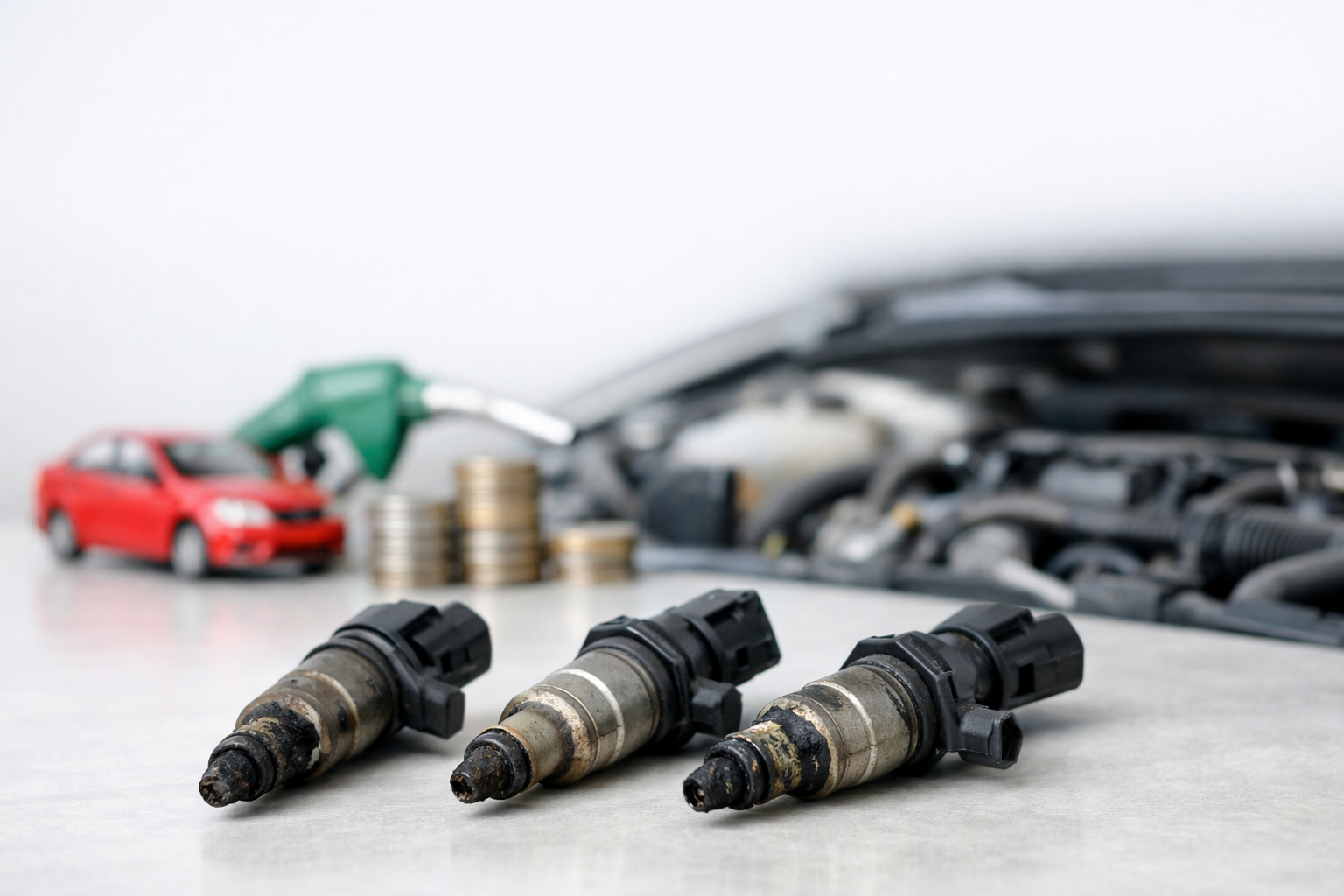
Dirty or malfunctioning injectors
A problem with the injectors can affect the quantity and quality of fuel fed into the engine.
Possible symptoms:
- irregular idle;
- starting difficulties;
- jerks;
- loss of power;
- abnormal consumption.
Read also: Dirty injectors: how they affect fuel consumption
A compatible additive can be used according to product directions as part of fuel system maintenance.
However, it does not prove that the injectors are the cause of the high consumption and it does not repair a faulty component.
HELPFUL TIP
Injector additive
A best-selling fuel additive used to clean injectors, reduce fuel consumption and improve engine efficiency.
See on Amazon →
Weak battery and cold start
A weak battery can make starting slower or more difficult, especially in cold temperatures.
The most typical signs are:
- slower starter motor;
- difficulty starting;
- insufficient tension;
- electrical anomalies.
I wouldn't consider it though. an increase in consumption as a method of diagnosing a weak battery.
If starting has worsened, check the condition of the battery and charging system directly.
Read also: How long does a car battery really last?
Petrol and diesel: does anything change when cold?
Both petrol and diesel fuel consume differently when warming up than when operating at normal temperatures.
The differences depend largely on the engine, the electronic management, the outside temperature and the emissions treatment system.
In diesel engines used almost exclusively for short journeys, the operation of the emission control systems, including the particulate filter when present, must also be considered.
For this reason, it is not useful to establish a universal rule such as "petrol is better" or "diesel is worse": engine and real-world usage matter.
How to Know if You're Consuming Too Much
Don't judge fuel consumption solely by the first few kilometres shown by the trip computer.
For a more useful reference:
- fill up;
- reset the trip odometer;
- uses the car normally;
- the next time you fill up, write down the litres and kilometres;
- compare multiple fill-ups made under similar conditions.
For example:
600 km ÷ 40 liters = 15 km/l
Repeating the check on several full tanks allows us to better distinguish a real variation from a single particularly unfavorable trip.
How to reduce cold fuel consumption
The most useful actions are simple.
Group journeys when possible
If you have several errands to run, doing them in the same outing can avoid several completely cold starts.
Drive gently for the first few minutes
You don't need to accelerate hard to warm up the engine first.
Check your tire pressure
Always use the value intended for the car.
Use the correct oil
Don't choose your viscosity based on season or general recommendations alone.
Keep your car tidy
Air filter, ignition, power supply and other components must be checked according to the scheduled maintenance schedule.
Don't replace components by trial and error.
If fuel consumption remains high when hot or other symptoms appear, a diagnosis is more useful than changing sensors or injectors without having identified the cause.
Read also: How to save fuel: effective tricks
Read also:
In summary
If yours car consumes too much cold, an increase in the first few minutes is normally linked to the warm-up phase.
The phenomenon weighs more when:
- it is cold;
- travel a few kilometers;
- you drive mostly in the city;
- you make many departures;
- the engine spends most of the journey below normal operating temperature.
To reduce consumption:
- avoid long warm-ups while stationary;
- guide progressively;
- group journeys when possible;
- check tire pressure and maintenance;
- use oil that meets specifications.
If, however, consumption remains high even when the engine is hot If you see the engine warning light, smoke, loss of power, rough idling, or a strong fuel odor, it's time to look for a possible problem.

FAQ on cold weather consumption
Why does the car consume too much fuel when cold?
Because during engine warm-up, lubricants and emission control systems are not yet at normal operating conditions. The electronic management system may also require more fuel than when the engine is warm.
Is it normal to consume more on short journeys?
Yes. If the trip ends before the engine reaches normal operating conditions, the cold phase has a greater impact on average consumption.
Does warming up your car while it's stationary help you consume less fuel?
No: during idle, the engine uses fuel without traveling any distance. For normal daily use, it's generally more sensible to start and drive without excessive stress, once you're ready to move safely.
How do I know if cold fuel consumption indicates a problem?
It is more suspicious when consumption remains high even when the engine is hot or other symptoms appear, such as an engine warning light, rough idling, smoke, loss of power or a strong fuel odor.
Can a faulty temperature sensor increase fuel consumption?
It can affect engine management if it sends incorrect information to the control unit. However, before replacing it, it's a good idea to check the data and diagnoses.
Do additives reduce cold fuel consumption?
They are not a one-size-fits-all solution. A compatible product can be used as intended, but it won't correct faulty sensors, mechanical problems, or other malfunctions.
Which oil is best for consuming less when cold?
There's no one-size-fits-all grade. Use the viscosity, specifications, and approvals specified by the vehicle manufacturer.
Conclusion
A’car that consumes too much fuel when cold doesn't necessarily have a problem.
In the first few minutes the engine works in conditions that are less favorable to efficiency and this is especially important during the winter and on short journeys.
The most useful thing is to distinguish this normal behavior from a consumption that It remains abnormal even when the engine is hot.
First, check usage, tire pressure, and maintenance. If warning lights, smoke, power loss, or erratic operation appear, proceed with a more detailed diagnosis.

 Italian
  English