
Reading time: 5 minutes
Immediate response
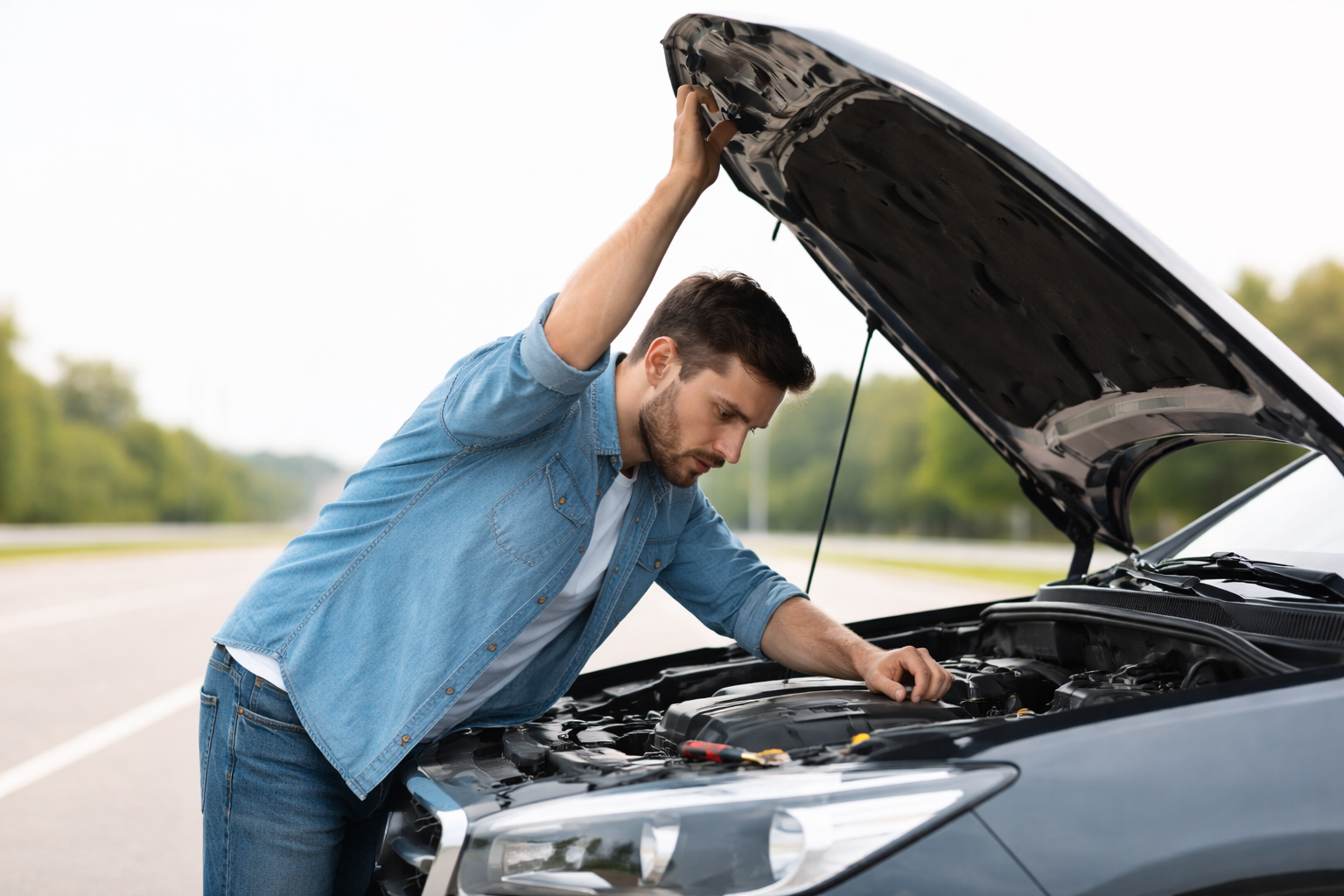
Car won't start? Before you think about an expensive breakdown, watch what happens when you try to start it.
If you only hear clicking or the motor turns slowly, check first battery and connections. If the ignition lights up but the engine doesn't start, the battery may be weak or there may be a problem with the starter motor. If the engine runs normally but doesn't start, the cause should be found in the power supply, ignition, or electronics.
The most useful distinction is therefore simple: Does the engine not turn over, does it turn over slowly, or does it turn over normally but not start?
What you will learn:
- How to understand why the car won't start.
- What symptoms indicate a dead battery.
- How to recognize a possible starter motor problem.
- When to check fuel, ignition, or electronics.
- What role can the alternator have?.
- What changes for diesel and hybrid engines.
- When is it best to stop trying to start?.
Index
Car won't start: first see what happens when you try to start it
Simply saying “the car won’t start” isn’t enough to pinpoint the problem.
Behavior during the start-up attempt already provides some important clues.
| What's happening | First causes to check |
|---|---|
| The picture is off or very dim | battery, terminals, electrical connections |
| Repeated clicks | weak battery or connections |
| A click but the engine doesn't turn | battery, connections, starter motor |
| The scooter turns slowly | weak battery, connections, starter motor |
| Engine runs normally but does not start | fuel, ignition, electronic management |
| Immobilizer/key fault warning light | key, immobilizer or electronic system |
The car won't start but the dashboard lights up
The fact that the picture and the lights turn on does not rule out a battery problem.
Lighting the dashboard requires much less current than starting the engine. A weak battery can therefore cause the warning lights to come on regularly and then fail to supply enough power to the starter motor.
Especially note what happens when you try to start:
- lights becoming very dim;
- repeated clicks;
- slowly turning motor;
- a single click without motor rotation;
- starter motor that turns normally but engine that doesn't start.
These behaviors help narrow your search.
1. Dead or weak battery
The battery is one of the first things to check when the car won't start, especially if starting has become progressively slower or the vehicle has been left unattended for a long time.
The most common symptoms are:
- weak or unstable framework;
- slowly turning motor;
- repeated clicks;
- lights that dim a lot when trying to start.
Even a battery that can power the radio, lights, and ignition may not have enough power to start the engine.
If you want to learn more about durability and signs of wear, read How long does a car battery last?
Car that has been standing still for a long time
A long stop can promote battery discharge because some vehicle systems continue to draw a small amount of energy even when the car is turned off.
This is especially important if your battery is already weak.
What you can control
If you suspect the battery, first check that the clamps are securely connected and that there are no obvious problems with the connections.
Jump leads or boosters can be helpful when the problem is actually a dead battery, but they must be used according to the procedure specified for the vehicle.
If the car starts again but the problem returns, do not simply recharge the battery continuously: you need to understand why it downloads.
2. Starter motor faulty
The starter motor rotates the engine during the ignition phase.
A possible problem with the starter motor becomes more suspicious when:
- the dashboard lights up normally;
- the battery and connections are adequate;
- you hear a click but the engine doesn't turn;
- the problem appears intermittently.
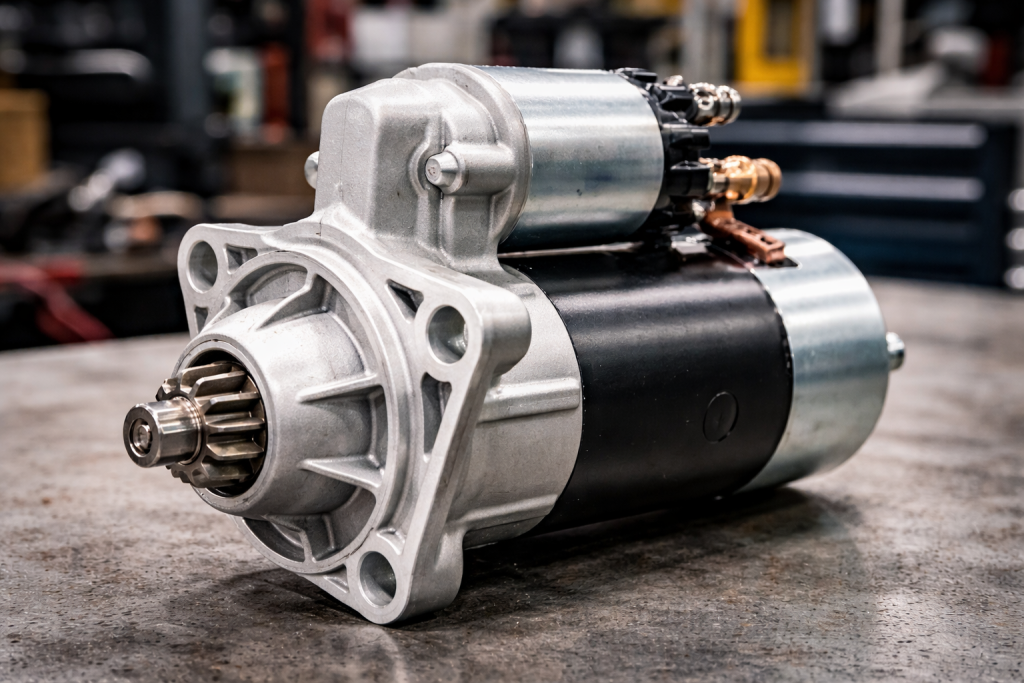
A single click, however, It does not by itself prove that the motor is faulty: A weak battery or a faulty electrical connection can also produce similar symptoms.
3. Battery or alternator: how to tell them apart
The alternator is not the component that directly turns the engine during starting.
Its main task is to power the electrical system and recharge the battery when the system is running.
For this reason, a faulty alternator can indirectly cause a failure to start:
alternator not charging properly → battery discharges → car subsequently does not start.
If you noticed the battery warning light, electrical anomalies, or the battery discharges again after being recharged before the vehicle failed to start, the charging system deserves a check.
For further information:
Faulty alternator: symptoms and what to do
4. The engine turns over but does not start
This is a different case.
If during the starting attempt the engine it runs at a seemingly normal speed but does not start, the battery and the motor may not be the main cause.
Among other possibilities, one must consider:
- fuel supply;
- ignition;
- sensors and electronic management;
- immobilizer;
- engine type specific problems.
The diagnosis varies greatly depending on the vehicle.
5. Not enough fuel or power supply problem
Before looking for complex faults, check the fuel level.
An inaccurate indicator or an extremely low level can complicate the diagnosis.
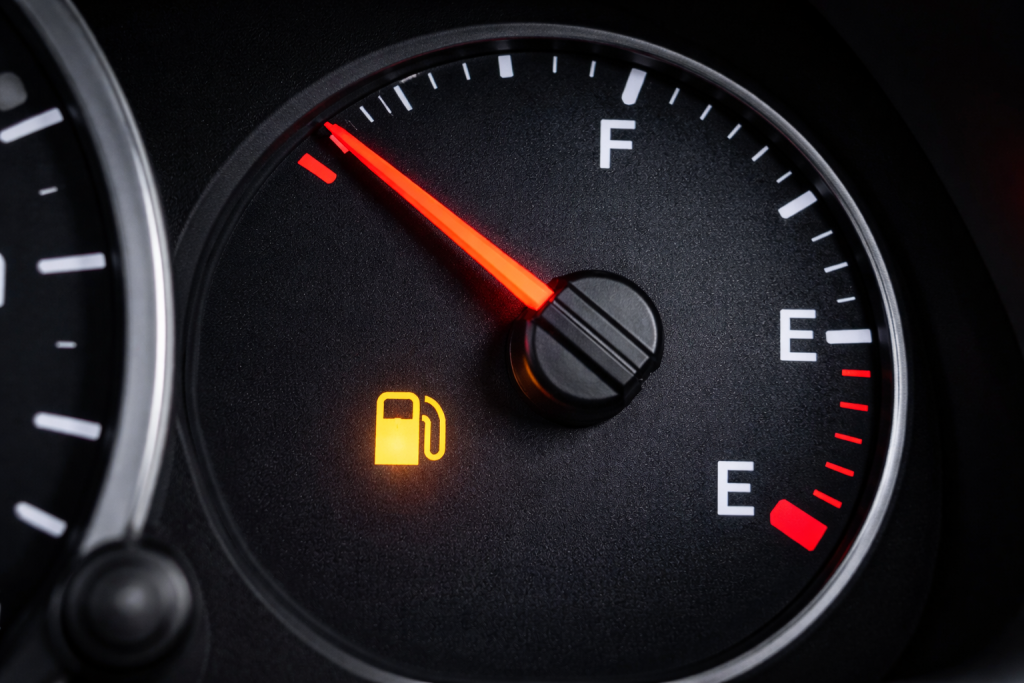
If fuel is present but the engine cranks over without starting, there may be problems with the fuel system.
Fuel pump
The pump transfers fuel from the tank to the engine.
A failure of this can prevent starting, but the simple fact that "the engine turns over and does not start"“ it is not enough to diagnose the pump.
Filter, power supply, fuel pressure and other components can produce similar symptoms.
6. Spark plugs and ignition system
On gasoline engines, worn spark plugs or problems with the ignition system can make starting difficult.
Other symptoms may include:
- irregular functioning;
- misfires;
- starting difficulties;
- any warning lights or engine errors.

However, don't automatically blame a failure to start on the spark plugs: further checks are needed to identify the cause.
7. Fuses and electrical problems
A blown fuse in a circuit important to starting or engine management can prevent the vehicle from operating normally.
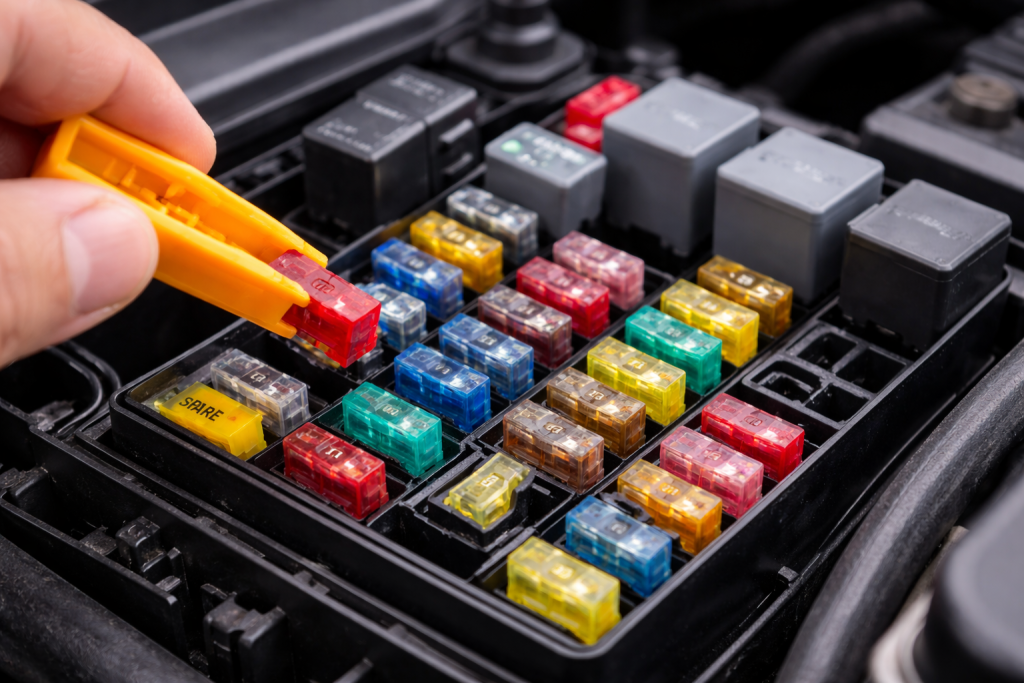
If you need to check a fuse, use the diagram provided for your car and replace it. only with one of the same type and amperage as expected.
If it burns out again, don't just keep replacing it: there may be an electrical problem to troubleshoot.
8. Immobilizer or electronic problem
In modern cars, even a fault in the immobilizer, key or electronic system can prevent the car from starting.
One clue could be an immobilizer light or a specific message on the instrument panel.
Before thinking of a mechanical failure, therefore, also check any messages displayed by the car.
Car won't start when cold
Cold temperatures can make an already weak battery more noticeable and increase the effort required during starting.
On some engines, specific problems may also arise related to the ignition or preheating system.
However, this does not mean that every failure to start in winter is "the fault of the cold": it is still necessary to identify the component in difficulty.
Why a diesel car won't start
On diesels there are some specific causes to consider.
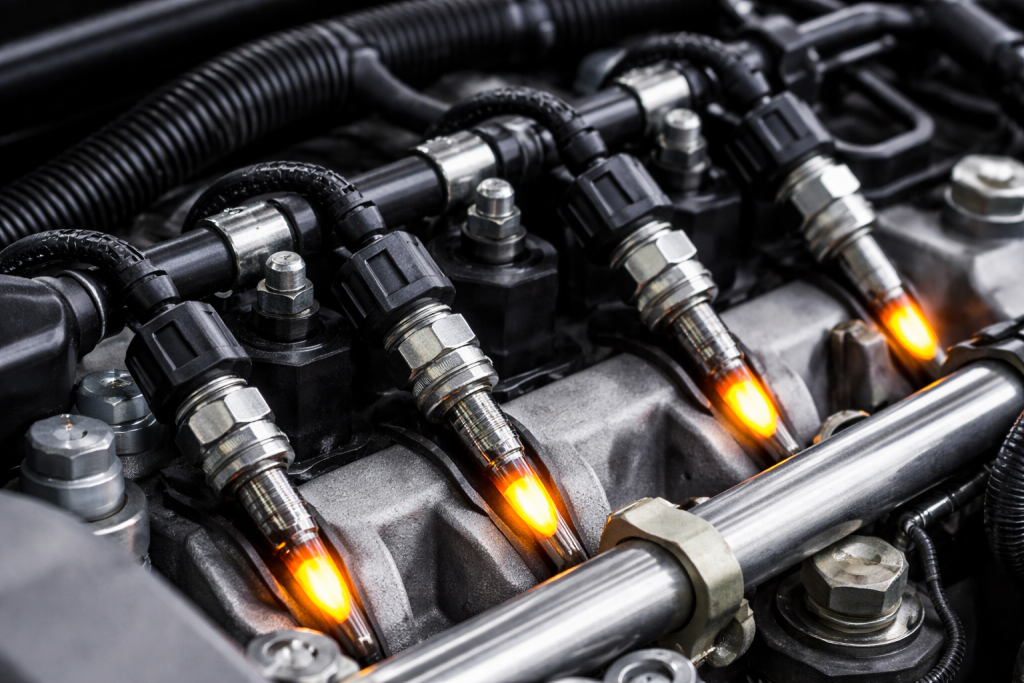
Glow plugs
Glow plugs aid cold starting in many diesel engines.
If the preheating system has a problem, starting can become more difficult, especially in cold temperatures.
Diesel fuel supply
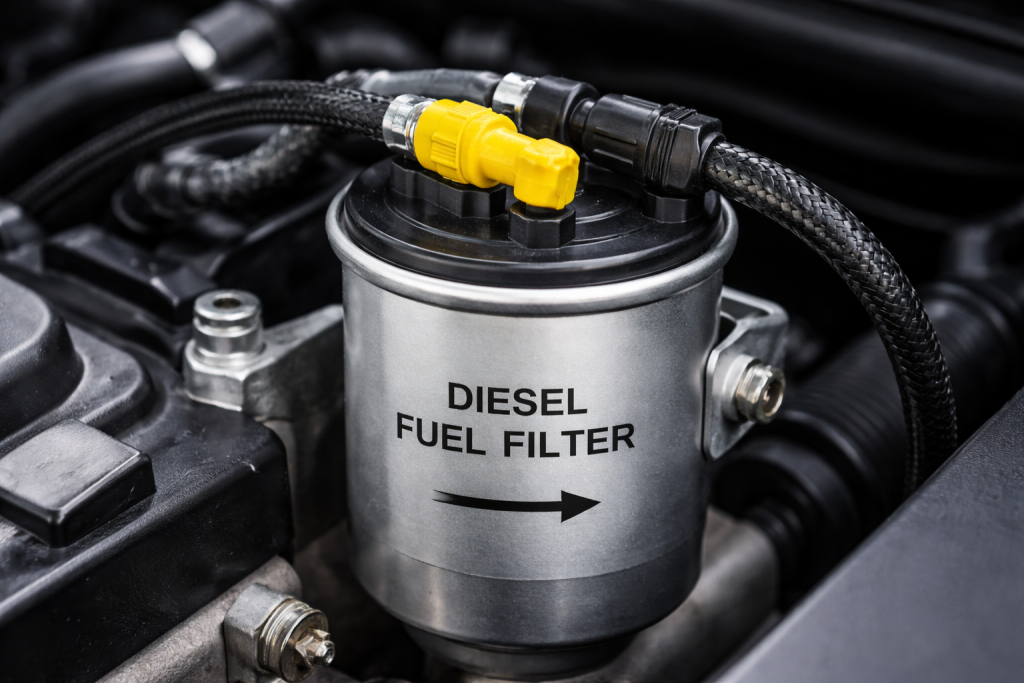
Problems with the fuel filter, supply, or pressure can prevent your diesel engine from starting properly.
Diesel and very low temperatures
At sufficiently low temperatures, the characteristics of diesel fuel can affect its passage through the fuel system.
HELPFUL TIP
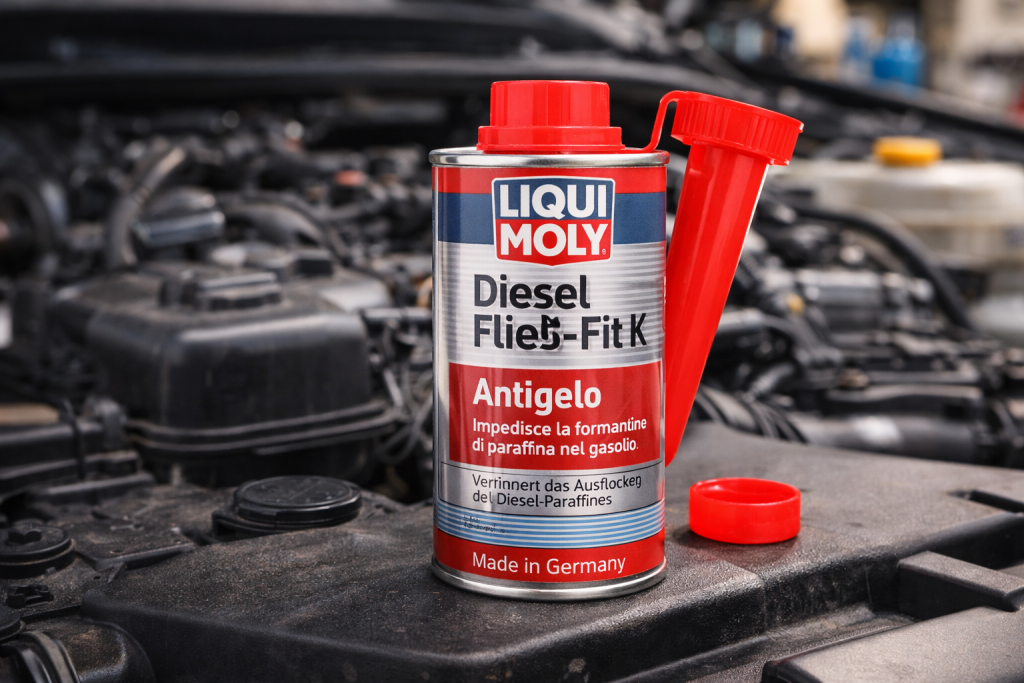
Liqui Moly Diesel Antifreeze Additive
It may be relevant for specific winter conditions on diesels, but should not be presented as a general remedy for a diesel car that won't start.
See on Amazon →
Why a hybrid car won't start
Many hybrid vehicles also use a low-voltage battery, often 12V, to power electronic systems needed to start the vehicle.
If this battery is discharged, the system may not start properly or the vehicle may not enter start mode. READY.
Other possibilities include electronic errors or hybrid system faults.
When NOT to insist on starting
Repeated attempts to start the car rarely help determine the fault.
Stop especially if:
- you smell something burning;
- abnormal mechanical noises appear;
- electrical connections get hot;
- the motor no longer turns properly;
- important notices appear on the dashboard.
Repeated attempts can further drain the battery and place unnecessary stress on the starting system.
Useful tools to have in the car
HELPFUL TIP
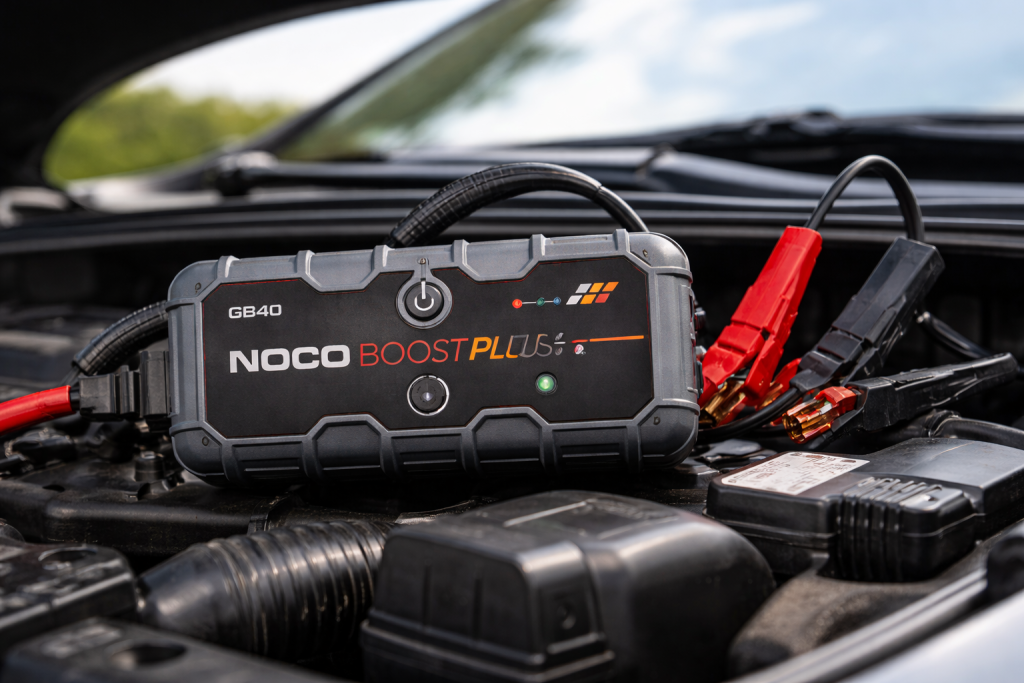
NOCO Boost Plus GB40 Emergency car starter
A portable booster can be useful when the failure to start is due to a flat battery and allows you to attempt starting without using a second car.
See on Amazon →
HELPFUL TIP
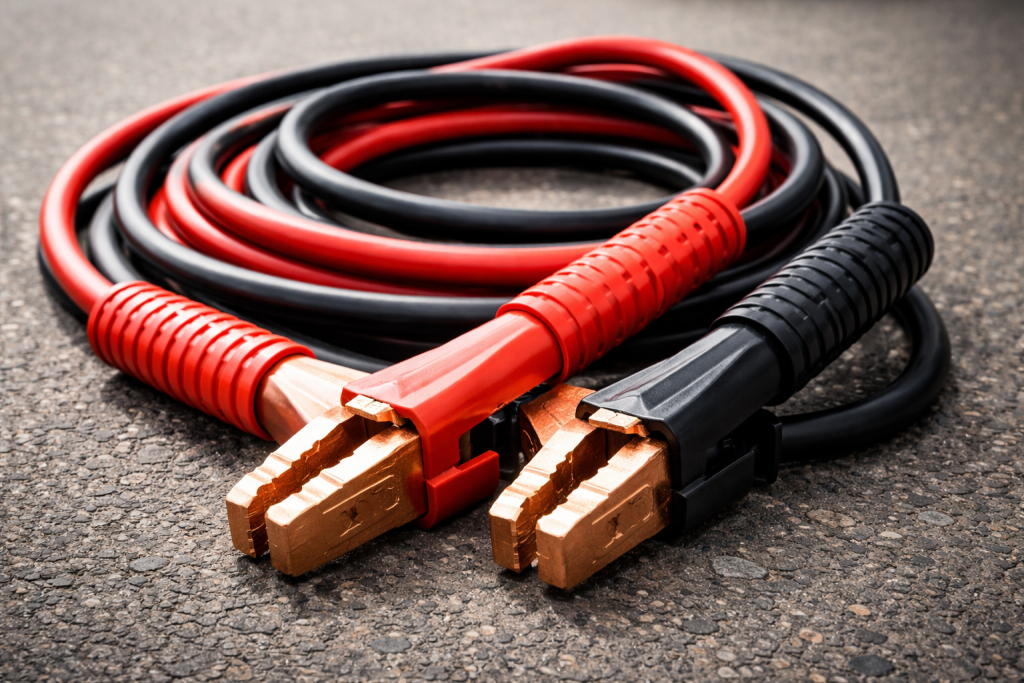
Car starter cables
Jump leads can be useful for a dead battery, provided they are used correctly and in accordance with the instructions for the vehicles involved.
See on Amazon →
HELPFUL TIP
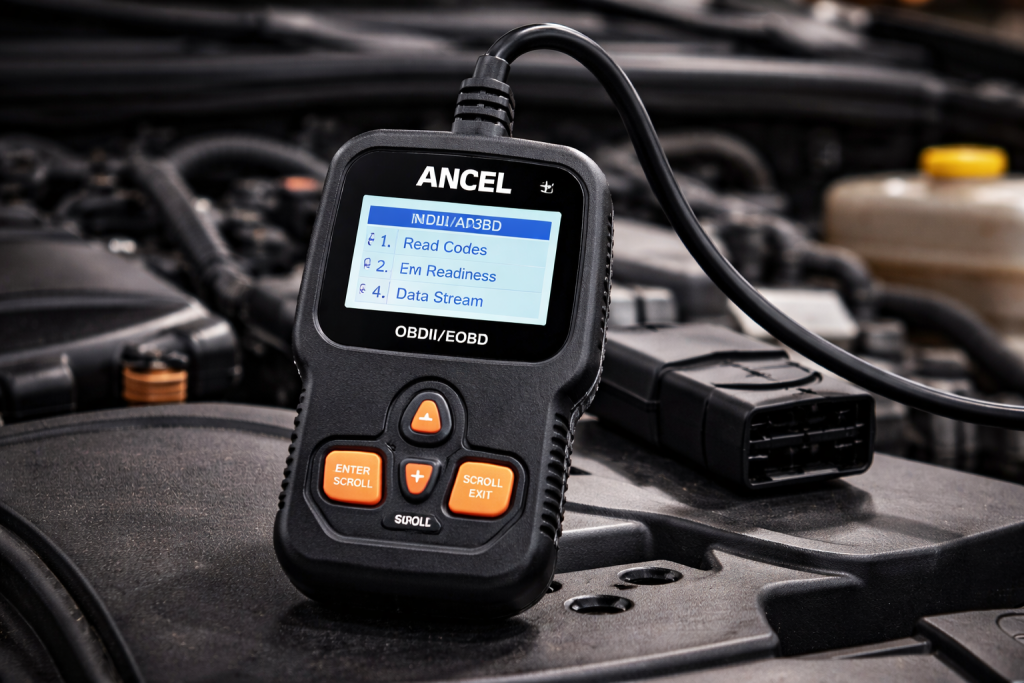
OBD2 diagnosis reader
An OBD2 scanner can help read some fault codes and provide useful information when the engine cranks but won't start or there are electronic faults.
However, it cannot automatically diagnose every cause of a failed start.
See on Amazon →
Mistakes to avoid
- Keep trying to start without observing what happens.
- Disconnect the battery just because the ignition lights up.
- Thinking that every click means a bad starter motor.
- Replacing components without a diagnosis.
- Consider the alternator the direct cause of any failure to start.
- Continue using a booster if the battery dies again.
- Ignore any warning lights and messages displayed by the vehicle.
In summary
If the’car won't start, first observe the behavior during start-up.
No sign of life → check power supply and battery.
Clicking or slow start → battery, connections and starter motor.
Engine runs normally but does not start → fuel, ignition or electronic management.
If the battery discharges again after being charged, also check the charging system and alternator.
Don't replace components based on a single symptom: many faults can manifest themselves in similar ways.

FAQ - Frequently Asked Questions
Why does the car click but not start?
Repeated clicking sounds may indicate a weak battery or a wiring problem. A single click may also indicate a starter motor problem, but the noise alone isn't enough to determine the cause.
The car won't start but the dashboard lights up: could it be the battery?
Yes. The dashboard requires much less current than the starter motor, so a weak battery may be able to turn on the warning lights but not start the engine.
Why doesn't the car start and make any noise?
Possible causes include a dead battery, terminals or wiring, the starter circuit, and other electrical problems. You should also check what happens to the dashboard when you try to start the car.
Why does the engine turn over but the car won't start?
If the starter motor cranks normally but the engine does not start, it is especially important to check the fuel supply, ignition and electronic management.
Can the alternator cause the car not to start?
Yes, indirectly. If the alternator doesn't charge the battery properly during use, it can discharge, and the next time you try to start the car, it may not start.
Can an OBD2 scanner figure out why my car won't start?
It can provide trouble codes and some useful diagnostic data, but not all causes of no-start will generate an OBD2 code, and it is not a substitute for electrical and mechanical checks.
Conclusion
When the’car won't start, the first thing to do is not to guess which component to replace, but to observe exactly what happens during the starting attempt.
A lit ignition does not rule out a weak battery, a clicking sound does not automatically indicate a faulty starter motor, and a faulty alternator can be the cause of a flat battery without being the component that actually starts the engine.
Starting from these signs, you can quickly narrow down the possibilities. If basic tests don't identify the cause or the problem keeps recurring, it's best to proceed with a more in-depth diagnosis.


 Italian
  English