
Reading time: 7 minutes
Immediate response
For reduce car consumption, start with four simple things: drive smoothly, maintain a steady speed, check your tire pressure, and remove unnecessary weight from your vehicle.
If your car suddenly starts to consume more petrol or diesel, it's also a good idea to check the maintenance, air filter, tyres and any engine problems.
What you will learn:
- What habits cause you to consume more fuel?.
- The 10 simplest ways to consume less.
- How much do tires, weight, traffic and air conditioning affect it?.
- What to check when consumption suddenly increases.
Index
Reducing fuel consumption doesn't necessarily mean driving slowly or doing without air conditioning. Often, it's small daily habits that make the difference.
Harsh acceleration, improper tire pressure, unnecessary weight, and short trips can increase fuel consumption without us realizing it.
Let's see what we should do first.
10 ways to reduce car fuel consumption
1. Drive smoothly
Accelerating sharply and then braking a few meters later means using fuel without gaining a real advantage.
In traffic, try to anticipate what's happening ahead: if you see a red light or a queue, release the accelerator first instead of rushing over and then braking.
Practical advice: Imagine having a glass full of water on the dashboard. Acceleration and braking smoothly enough to avoid spilling the water are a good guideline for a smoother ride.
2. Maintain a steady speed
The faster you fly, the greater the aerodynamic drag becomes.
On the highway, maintaining a steady pace is generally more efficient than constantly accelerating and slowing down.
There's no need to get stuck on a specific speed: the car, engine, gearbox, traffic, and road conditions can significantly affect actual fuel consumption.
3. Check your tire pressure
An overly deflated tire increases rolling resistance and can increase fuel consumption.
Check the pressure:
- at least once a month;
- before a long journey;
- with cold tires;
- using the values indicated by the car manufacturer.
Correct tire pressure also helps improve vehicle stability and prevents uneven tire wear.
If you check your tires frequently at home, a small compressor allows you to quickly restore pressure without having to search for a pump.
HELPFUL TIP
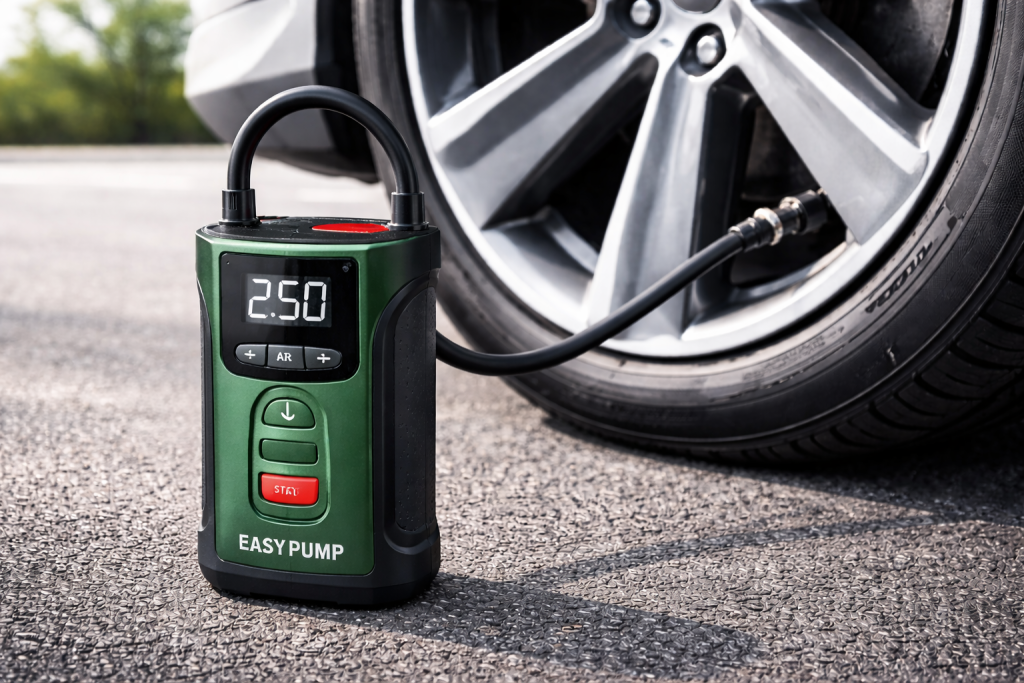
Portable tire compressor
Useful for quickly checking and restoring tire pressure even at home.
See on Amazon →
If you simply want to check the pressure without inflating the tire, a compact pressure gauge is all you need.
HELPFUL TIP

Tire pressure gauge
A useful little tool for periodically checking your tire pressure before setting off.
See on Amazon →
4. Lose unnecessary weight
There's no need to completely empty your car every time you leave. However, it's worth checking what's been left in the trunk for months.
Out-of-season snow chains, heavy tools, boxes, and other items you don't use can be left at home.
Even more important is to remove roof racks or roof boxes when they are not needed: in addition to weight, they worsen aerodynamics.
5. Use air conditioning wisely
Air conditioning requires energy and can increase fuel consumption, especially in urban driving.
This doesn't mean you have to travel in the heat. In summer, it's best to:
- air the passenger compartment before setting off if the car has been left in the sun;
- avoid unnecessarily low temperatures;
- use recirculation when appropriate;
- avoid leaving windows fully open at high speeds.
The goal is to use air conditioning sensibly, not to give it up.
6. Avoid unnecessary stops with the engine running
A car stopped with the engine running continues to use fuel.
If you know you will be sitting for a long time and conditions allow you to safely turn off the engine, leaving it running unnecessarily is of no benefit.
In modern cars, Start&Stop automatically manages many short stops.
7. Avoid traffic and unnecessary routes
In traffic, fuel consumption increases due to constant starting, braking and stopping.
Before leaving, it can be useful to check the route and, when possible, avoid the most congested times.
Even consolidating multiple errands into a single trip can be more efficient than taking several short trips throughout the day.
8. Change gear at the right time
With a manual transmission, unnecessarily keeping the engine at high revs generally increases fuel consumption.
However, there's no one-size-fits-all RPM range. Diesel, gasoline, turbocharged, and naturally aspirated engines can have very different characteristics.
The best guideline is to use an appropriate gear, without unnecessarily revving the engine too high and without forcing it to work under strain in an excessively high gear.
9. Don't neglect maintenance
If the car is in order, the engine can work under the conditions intended by the manufacturer.
Items to check include:
- air filter;
- engine oil;
- spark plugs on engines that use them;
- power system;
- tires;
- any warning lights or errors stored.
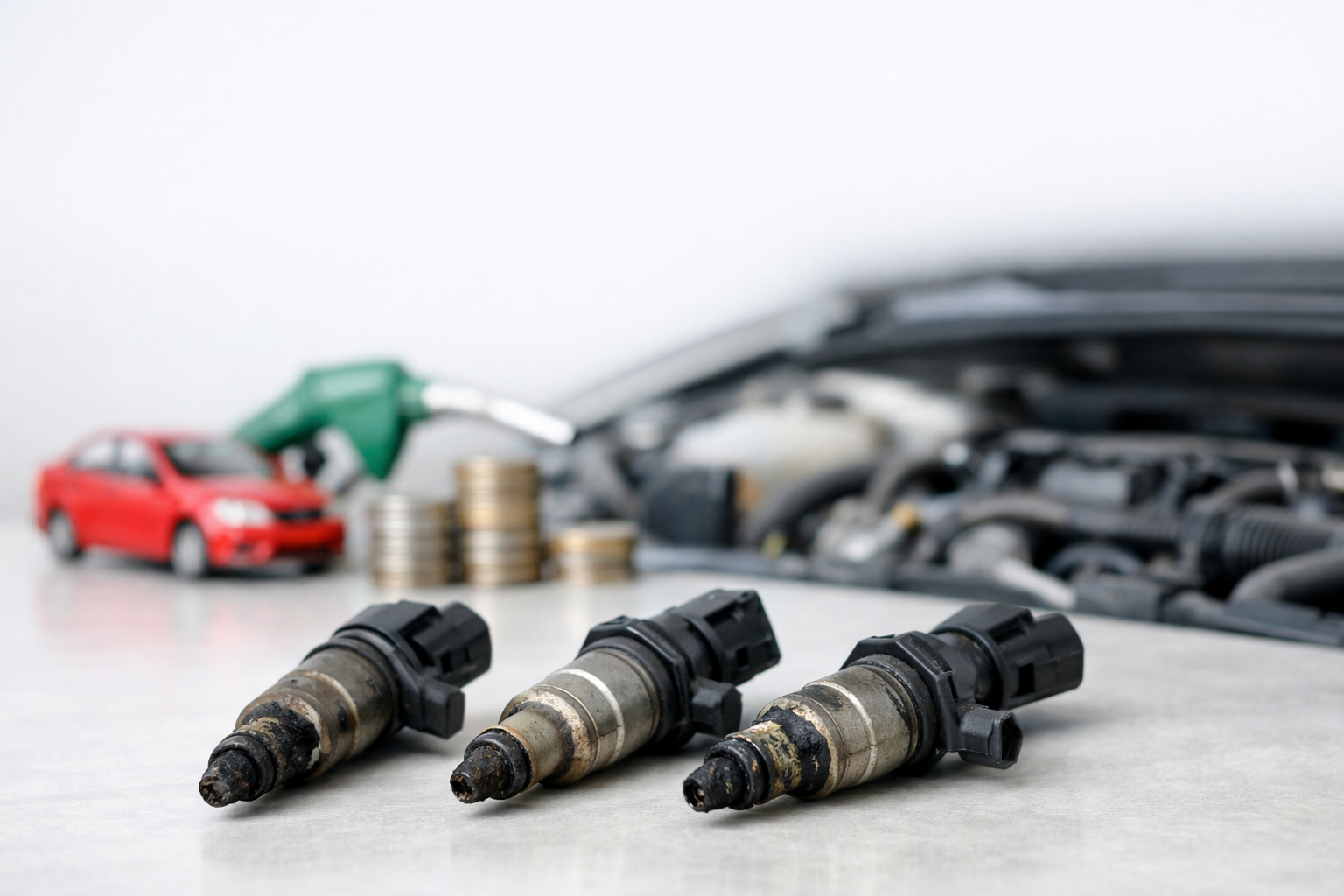
If you suspect a feeding problem, also read the guide on dirty injectors and their effect on fuel consumption, where you can find symptoms and checks to do.
10. Check the car's real fuel consumption
To understand if you are really saving, avoid relying only on gut feeling.
You can compare the fuel consumption indicated by the on-board computer or note the kilometres travelled and the fuel used between one tank and the next.
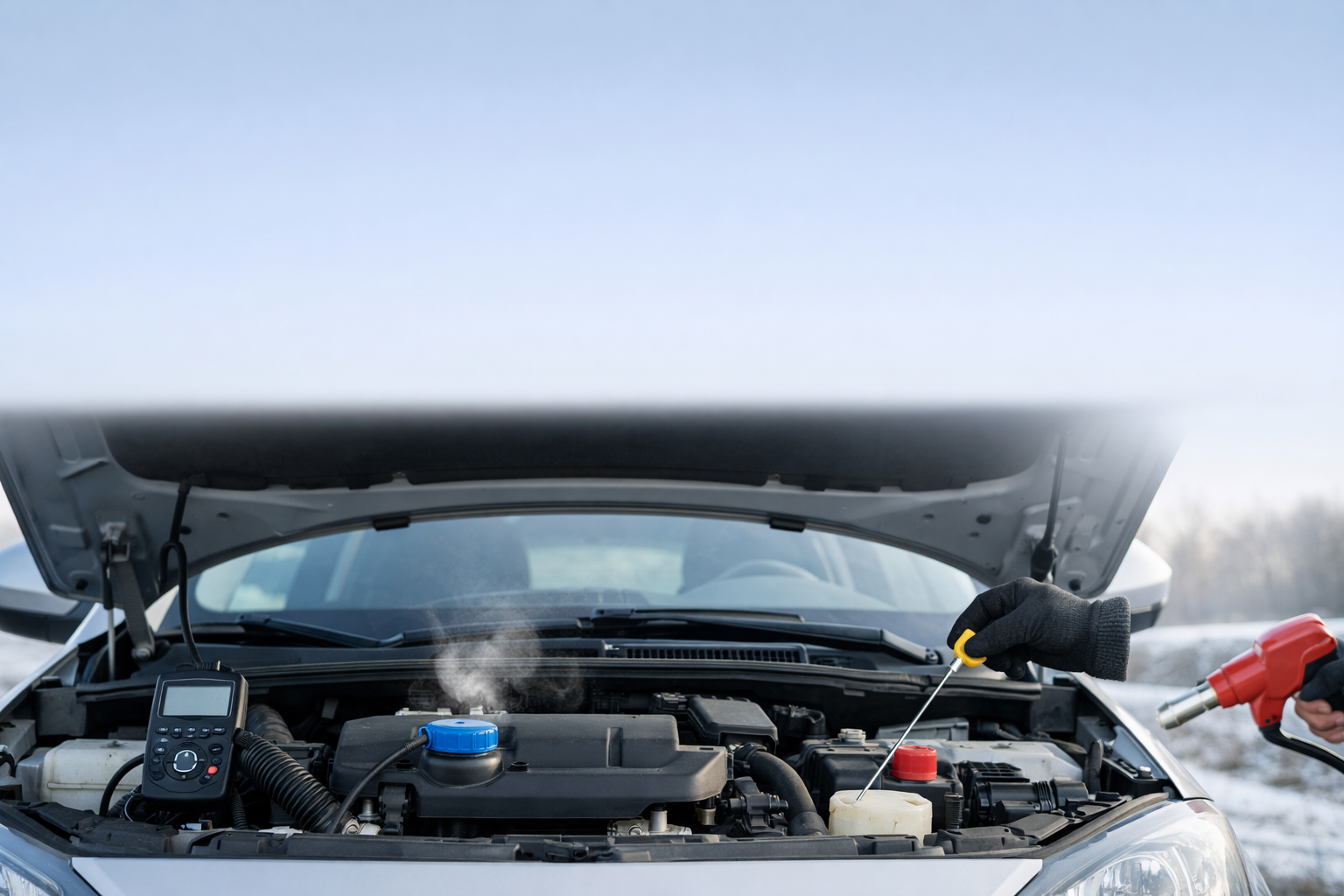
If a warning light appears or you suspect a malfunction, an OBD2 reader can help read any error codes stored by the control unit. It's not a substitute for professional diagnosis, but it can provide an initial indication.
HELPFUL TIP
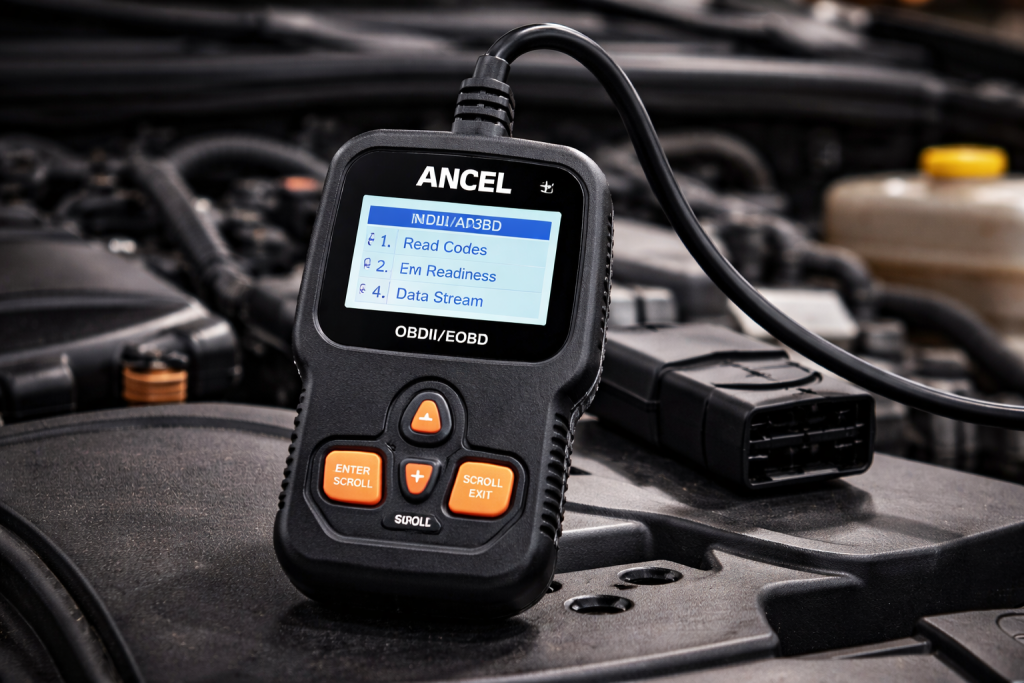
OBD2 diagnosis reader
Useful for reading the control unit error codes when warning lights or anomalies appear together with high consumption.
See on Amazon →
How to consume less in the city and on the highway
In cities, the main problem is stop signs, traffic lights, and constant restarts. Anticipating traffic, accelerating gradually, and coming off the accelerator early when you know you'll have to stop can help you save fuel.
Even very short journeys are inefficient, especially when the engine starts completely cold.
On the highway, the problem is different: high speed increases aerodynamic drag. It's therefore best to maintain a steady pace and avoid constant acceleration.
Unused roof racks and roof boxes can further impact aerodynamics.
Has your car started to consume too much fuel? What to check
If your fuel consumption has suddenly increased without you having changed your route or driving style, don't automatically blame traffic.
Check first:
- tire pressure;
- air filter and maintenance;
- any recently added weight or rack;
- presence of warning lights;
- any changes in engine operation.
If these checks do not explain the increase, the problem may also be with the power supply or sensors.
If the increase is evident and you can't find the cause, in the guide Cars that consume too much fuel: 12 real causes Find the checks to do, starting with the simplest ones.
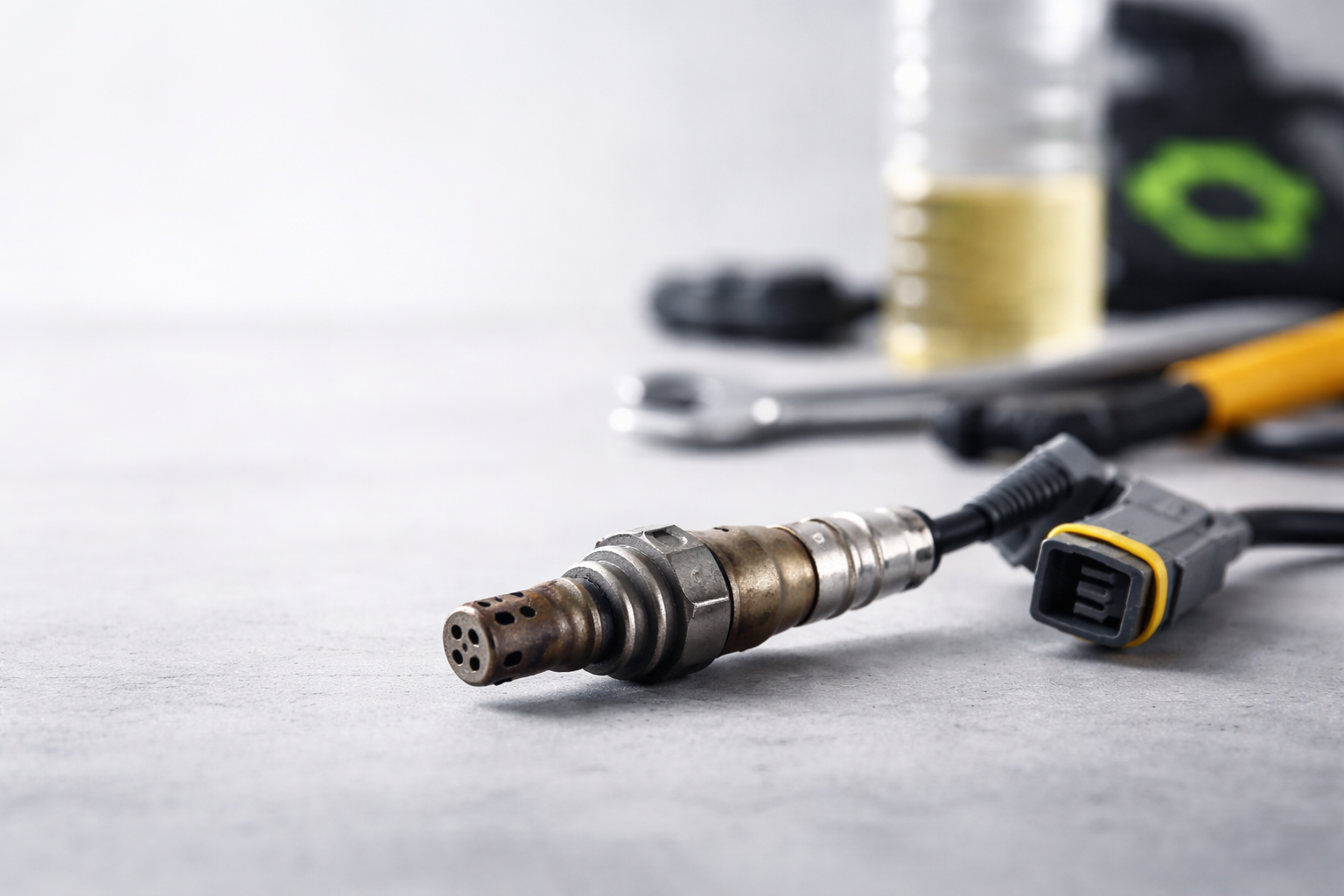
If you suspect such a problem, please investigate further. symptoms of a faulty lambda probe and the possible effect on consumption.
Why short journeys make you consume more
During the first few kilometers, the engine hasn't yet reached normal operating temperature. This makes very short journeys particularly inefficient.
If you often use the car for a few kilometers:
- consolidate multiple commissions when possible;
- avoid unnecessarily short journeys;
- drive gently for the first few miles;
- Don't leave the engine running when stationary to "warm it up" unnecessarily.
If you notice that consumption is particularly high in the first few kilometres, investigate the causes in more detail in your guide. Cars consume too much fuel when cold: causes, symptoms, and solutions.
How much fuel does a car normally consume?
There is no “correct” fuel consumption that applies to all cars.
A petrol city car, a diesel SUV and a hybrid used mainly in the city can have very different fuel consumption.
To understand if your car is consuming too much, the most useful comparison is the one with the same car in the same conditions.
If you normally travel a certain number of kilometers on a tank of fuel and suddenly your consumption increases significantly, that change is more interesting than a generic average found online.
You can also compare the actual data with that declared by the manufacturer, remembering that traffic, temperature, load, tires and driving style can create significant differences.
How much can you really save?
It depends on how much the car consumes and above all on the starting habits.
Let's take a simple example, without considering it a promise of savings.
A car that travels 15,000 km per year with an average consumption of 6.5 l/100 km uses approximately 975 liters of fuel per year.
If you can reduce that consumption even moderately by changing your driving, tires, routes, and maintenance, the difference adds up for every kilometer you travel.
For this reason, it's a good idea to measure your fuel consumption for a few consecutive fill-ups: it's the easiest way to understand if the changes are really working.
In summary
For reduce car consumption Focus on the simplest actions first:
- drives smoothly;
- maintain a steady speed;
- check your tire pressure;
- eliminates weight and unnecessary external accessories;
- avoid traffic and very short journeys whenever possible;
- use the air conditioner with common sense;
- keep your car tidy;
- Check actual consumption periodically.
You don't need to apply everything in the same day. Start with two or three habits and compare your consumption in subsequent days.

FAQ – Frequently Asked Questions
How to consume less fuel right away?
Start by driving more smoothly, avoiding unnecessary acceleration and braking, and checking your tire pressure. These are simple measures you can implement on your next trip.
Do flat tires increase fuel consumption?
Yes. Lower pressure than recommended by the manufacturer increases rolling resistance. For this reason, it's a good idea to check your tires periodically when they're cold.
Does air conditioning increase fuel consumption?
Air conditioning requires energy and can increase consumption. There's no need to turn it off: it's better to avoid excessively low temperatures and use it sensibly.
How to understand if your car is consuming too much fuel?
Compare your current fuel consumption with your usual fuel consumption for the same car and on the same routes. A sudden and persistent increase warrants a check of your tires, maintenance, and possible engine problems.
What is the best speed to consume less?
There's no ideal speed for all cars. Generally speaking, a moderate and, above all, steady speed requires less energy than a high pace with constant acceleration and deceleration.
Conclusion
Saving fuel doesn't mean driving slowly at all costs. It means making better use of the energy your car is already consuming.
Start with the three simplest things: smoother ride, correct tire pressure, and less unnecessary weight.
Then check your fuel consumption for two or three full tanks. This way, you can understand which changes are really making a difference to your car.

 Italian
  English