

Reading time: 7 minutes
Immediate response
I benefits of sport and regular physical activity affect several aspects of health: heart and circulation, muscle strength, physical capacity, sleep and mental well-being.
However, you don't need to become an athlete or start intense workouts. Walking, cycling, swimming, working out at home, or playing a sport are all different ways to get active. The best choice is an activity that's suitable for your condition and sustainable enough to be maintained over time.
What you will learn:
- What are the main benefits of sport and physical activity?.
- How much exercise is generally recommended for adults.
- How physical activity and a sedentary lifestyle are linked to health.
- Which activity to choose based on your preferences.
- How to start gradually if you are sedentary.
- What mistakes to avoid when you start training.
- When is it appropriate to seek medical advice?.
Index
Why physical activity is important
Our bodies are designed to move, but sedentary work, cars, smartphones, and many daily activities can lead us to spend many hours sitting.
Exercising regularly is one way to combat this sedentary lifestyle.
And it doesn't necessarily mean playing a competitive sport.
A walk, a bike ride, a home exercise session, swimming, or an organized sporting activity can all contribute to daily movement.

Benefits of sport for the heart and circulation
Regular physical activity is associated with cardiovascular health benefits.
Exercise contributes to the normal functioning of the cardiovascular system and is one of the recommended habits for reducing the risk of various chronic diseases.
However, you don't have to turn every outing into an intense workout.
For many people, even brisk walking is a simple and accessible form of physical activity.
Practical example
If you're very sedentary today, instead of immediately starting with a long run, you can begin with short walks and gradually increase the duration and intensity.
The progression depends on your initial condition.
Muscles, bones and physical capacity
Physical activity isn't just about your heart.
Aerobic exercises and strengthening activities involve muscles, balance, coordination, and the ability to perform normal daily activities.
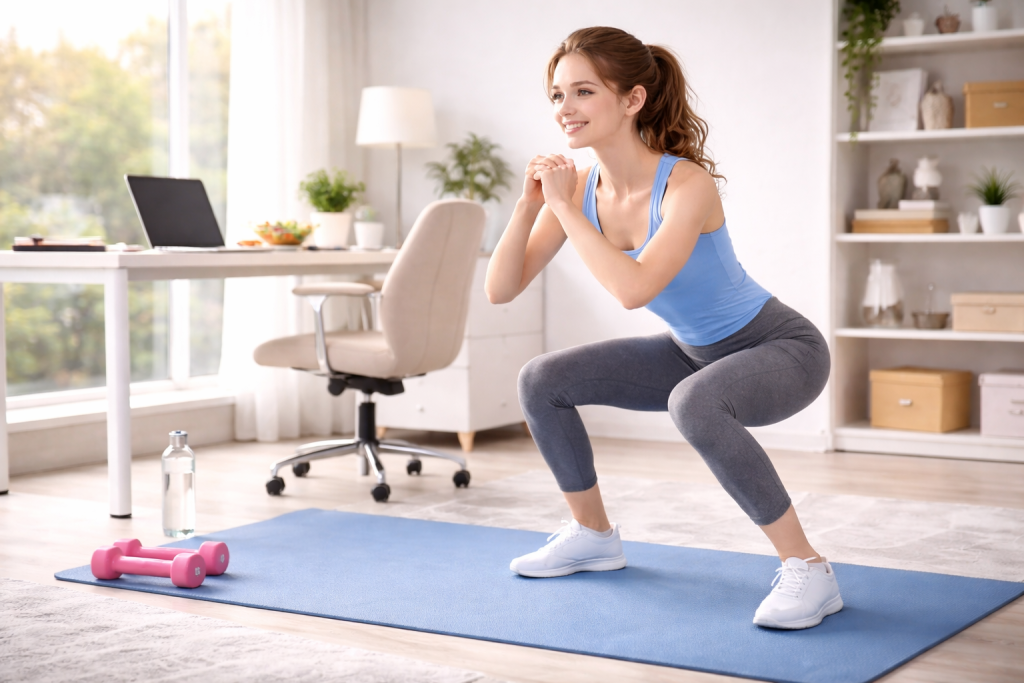
Bodyweight workouts, for example, can also be practiced at home without necessarily using a lot of equipment.
A simple example
Squats adapted to your abilities, bodyweight exercises, or resistance bands may be some options.
However, the technique and difficulty must be appropriate for each individual. If an exercise causes pain, it's not helpful to persist, thinking that pain is necessarily part of the workout.
Sport, stress and mental well-being
Physical activity can also have positive effects on psychological well-being.
For some people, a walk, a run, a bike ride, or a yoga session also represents an opportunity to break from their routine and dedicate time to themselves.
This does not mean that exercise is a universal treatment for stress, anxiety, or other psychological problems.
However, it can be a component of a lifestyle oriented towards well-being.
Also read Healthy Brain: 10 Habits for Memory and Concentration.
Physical activity and sleep
Exercise and sleep are both part of a healthy lifestyle.
Regular physical activity may be associated with better sleep quality, but individual responses may vary.
Even the preferred time to train is not the same for everyone.
If a very intense workout close to bedtime makes it difficult to fall asleep, it may be helpful to try starting it earlier. If, however, you're comfortable working out in the evening, there's no universal rule against it.
How much exercise do you need to do?
For adults, the main international guidelines generally indicate 150–300 minutes per week of moderate aerobic activity, or 75–150 minutes of vigorous activity, or an equivalent combination.
Muscle-strengthening activities are also recommended at least two days a week.
These numbers are a general guideline, not a reason to give up if you're far from your goal today.
Doing a little activity is better than doing nothing at all., especially when the alternative is remaining completely sedentary.
Which sport to choose?
There is no one best sport for everyone.
Physical condition counts, but also something very practical: you have to like it enough to keep doing it.
Individual activities
You can evaluate:
- walk;
- race;
- cycling;
- I swim;
- home exercises;
- gym.
They are especially convenient for those who prefer to manage their days and times independently.
Group activities
Soccer, volleyball, basketball, fitness classes, and other team sports also add a social component.
For some people, training with others makes it easier to stay consistent.
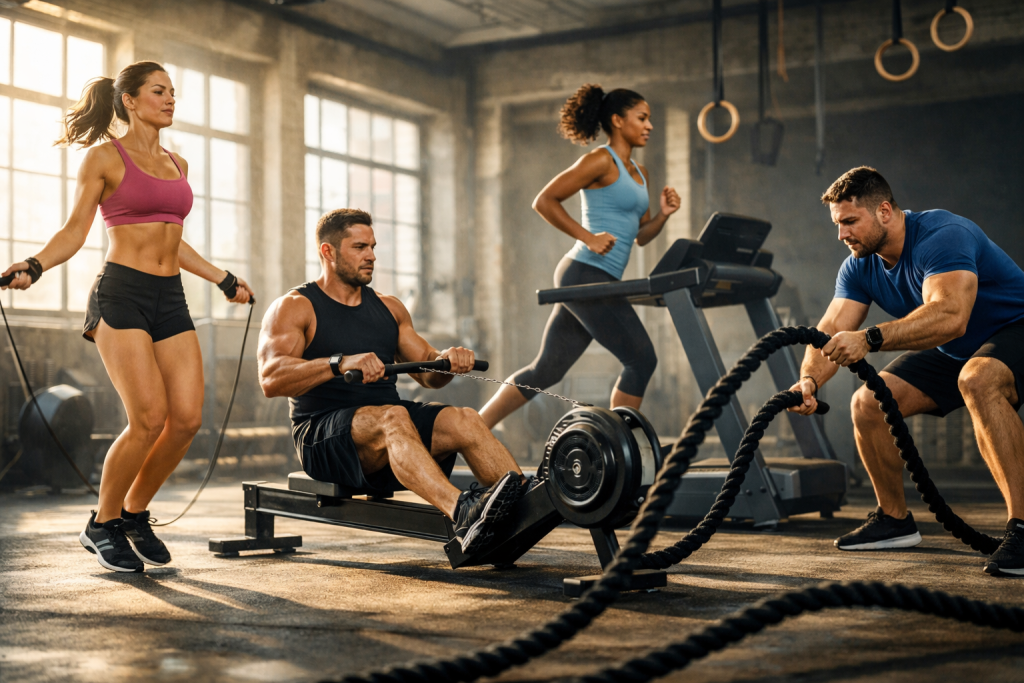
The choice depends mainly on your preferences, your condition and any personal limitations.
How to start exercising if you're sedentary
If you haven't been physically active for a long time, you don't have to make up for years of sedentary behavior during the first week.
Start gradually.
You can, for example:
- take a short walk;
- use stairs more often when appropriate;
- make short trips on foot or by bicycle;
- start with simple exercises at home;
- progressively increase duration or frequency.
The initial goal shouldn't be to prove how much you can handle.
It should be about creating a habit that you can repeat.
For more information, you can also read:
When it is important to seek medical advice
For many healthy people, light or moderate activity can be started gradually.
However, there are situations in which it is appropriate to seek advice from a healthcare professional, especially if you have known medical conditions, symptoms, or concerns about the safety of the activity you want to begin.
During exercise, new or significant symptoms such as chest pain, fainting, severe difficulty breathing, or other worrying symptoms they should not be ignored.
Age alone, however, does not automatically mean that a person cannot start moving.
Common mistakes when starting to play sports
Starting too strong
Doing too much in the first few days can make it harder to maintain your routine and may increase discomfort and fatigue.
Copying someone else's workout
Age, experience, physical condition and goals can be very different.
Ignore recovery
Training and recovery are part of the same process.
Carrying on despite significant pain
Fatigue and pain are not the same thing. New, severe, or persistent pain deserves attention.
Buying too much equipment before you start
For a walk or simple exercises at home, you often don't need many accessories.
First create the habit. Then evaluate what you really need.
Focus only on weight loss
Physical activity offers benefits that go far beyond body weight.
Useful equipment: what do you really need?
You don't need a smartwatch, dumbbells, bands, mats, or any other workout gear to get started.
The equipment depends on the chosen activity.
For walking, for example, the priority is to wear comfortable footwear suitable for the route. A mat can be useful for home exercises, while other accessories can be added later if needed.
Once you've chosen your activity, it makes more sense to purchase a few truly useful accessories rather than fully equipping yourself before you even start.
HELPFUL TIP

Walking/running shoes
See on Amazon →
HELPFUL TIP
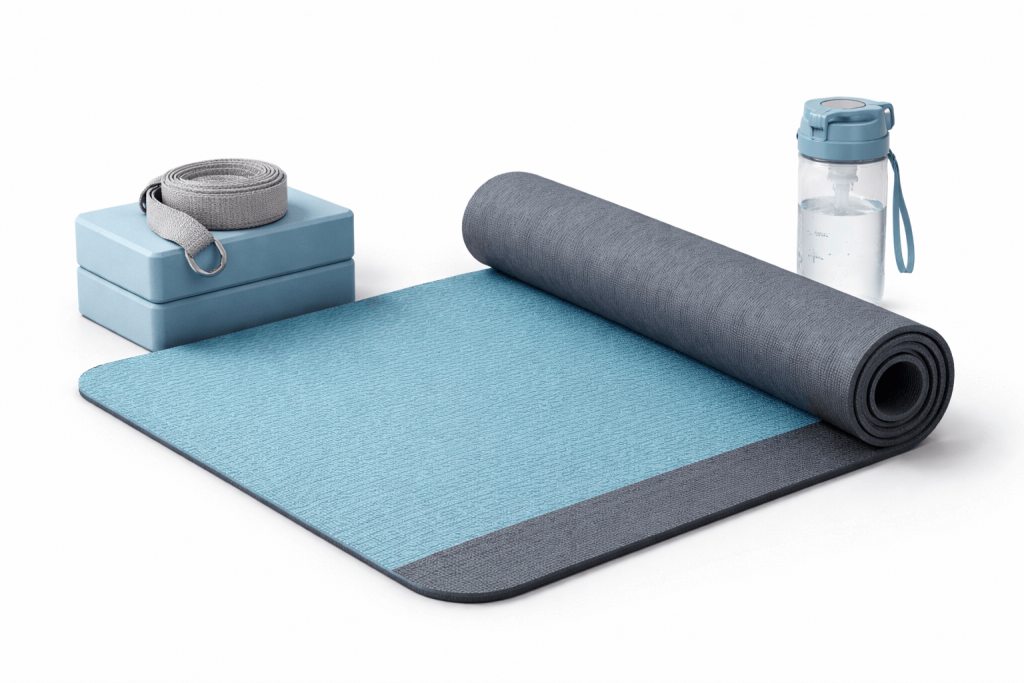
Yoga mat
See on Amazon →
What to do now
If you want to start today, choose something very simple.
For example:
“I take a short walk after dinner three times this week.”
It's not an athletic program.
It's a starting point.
Once it becomes easy to fit into your day, you can gradually increase the movement, duration, or frequency.

In summary
I benefits of sport they don't depend on becoming athletes.
Regular exercise can improve cardiovascular health, physical fitness, and overall well-being, as well as help prevent a sedentary lifestyle.
The best activity is not necessarily the most intense.
It is the one that suits your conditions and that you can practice with sufficient regularity.
If you start from scratch, start gradually and build consistency first.

FAQ - Frequently Asked Questions
How much sport should you do per week?
For adults, general recommendations include 150–300 minutes of moderate aerobic activity per week or 75–150 minutes of vigorous activity, or an equivalent combination, along with muscle-strengthening activities at least two days per week. However, individual needs may vary.
Does walking count as physical activity?
Yes. Walking can contribute to your daily physical activity. Pace, duration, and intensity determine how much it contributes to your moderate activity goals.
What's the best sport to start with?
There's no single best option. Walking, cycling, swimming, and simple exercises are some options. It's important to choose an activity that's compatible with your condition, abilities, and personal preferences.
Does exercising help with stress?
Physical activity can contribute to psychological well-being and be helpful in managing daily stress. However, it is not a substitute for professional treatment when a mental health problem exists.
Is playing sports in the evening bad for you?
Not necessarily. The answer varies from person to person. If an intense workout close to bedtime disrupts your sleep, try starting it earlier.
Training at home or at the gym?
Both solutions can work. The choice depends on the type of activity, your preferences, and what you can maintain most regularly.
Does playing sports help you lose weight?
Physical activity increases energy expenditure and can help manage weight, but body weight depends on many factors. It's best not to consider exercise solely as a tool for weight loss.
Conclusion
Playing sports doesn't necessarily mean running, going to the gym every day, or chasing performance.
It means above all move regularly.
Walking, cycling, swimming, home workouts, or playing a group sport can be ways to reduce your sedentary lifestyle and incorporate more exercise into your life.
Start from your current level, gradually increase, and choose something you can actually continue over time.
Consistency matters much more than a perfect start.
Note: This article is for informational and educational purposes only and does not replace personalized medical advice.


 Italian
  English