
Reading time: 7 minutes
Immediate response
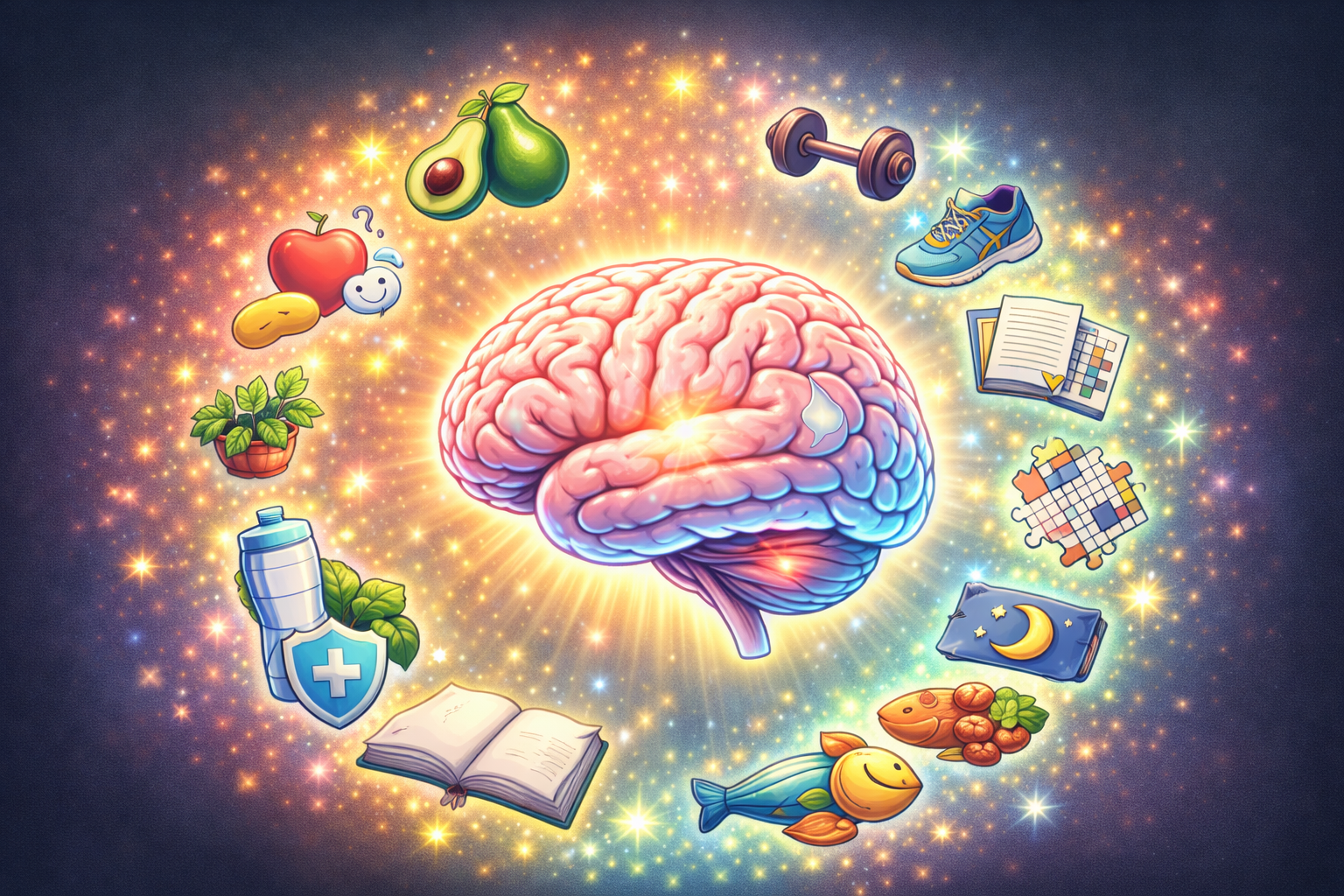
To maintain a healthy brain Over time, what matters most are daily habits: regular physical activity, a balanced diet, adequate sleep, no smoking, limited alcohol consumption, mental and social activity, and control of the main cardiovascular risk factors.
However, there's no single habit that can guarantee a good memory or prevent cognitive decline. It's the combination of lifestyle and health that makes the difference.
What you will learn:
- What habits are associated with brain health.
- Why exercise and cardiovascular health are important.
- How nutrition and sleep enter into our daily routine.
- Why keeping your mind active can be helpful.
- What behaviors should be limited?.
- When memory or concentration problems warrant medical evaluation.
Index
Habits that help keep your brain healthy
The brain changes throughout life, and cognitive health depends on many factors.
We can't control them all, but we can intervene on some habits and conditions associated with the risk of cognitive decline.
This means there's no need to look for a "miracle" food, mental exercise, or supplement. It's much more helpful to work on your overall lifestyle.
1. Move regularly
Physical activity is good for the cardiovascular system and can also contribute to brain health.
It doesn't necessarily mean practicing strenuous exercise. Walking, cycling, or other activities that are compatible with your condition are simple ways to get regular exercise.
If you want to start gradually even without a gym, read Easy workout at home: comprehensive guide to really get started.

2. Follow a balanced diet
There is no single “brain food.”.
It's more helpful to look at your diet as a whole. Fruits, vegetables, legumes, whole grains, nuts, and other nutrients can all be part of a varied and balanced diet.
Fish can also be part of your regular diet, but this doesn't mean you automatically need to take omega-3 supplements.
In the absence of a deficiency or a specific health indication, do not consider supplements a shortcut to protecting memory or cognitive functions.

3. Give importance to sleep
Sleep is important for normal body function and cognitive abilities.
Rather than chasing an identical number for everyone, try to maintain fairly regular hours and get adequate sleep according to your needs.
A calm evening routine can help separate rest time from the day's activities.
If difficulty sleeping, drowsiness, or tiredness persists, it is worth talking to a healthcare professional.

4. Keep your mind active
Reading, studying, learning a language, taking up a hobby, or taking on new activities are simple ways to keep your mind engaged.
However, there is no magic number of minutes nor a single exercise capable of “training the whole brain”.
The goal is to continue using attention, memory, reasoning, and curiosity through activities that you find interesting and that you can maintain over time.

If you enjoy puzzles and strategy games, they can be a pleasant way to spend time on an activity that requires attention and thinking.
HELPFUL TIP
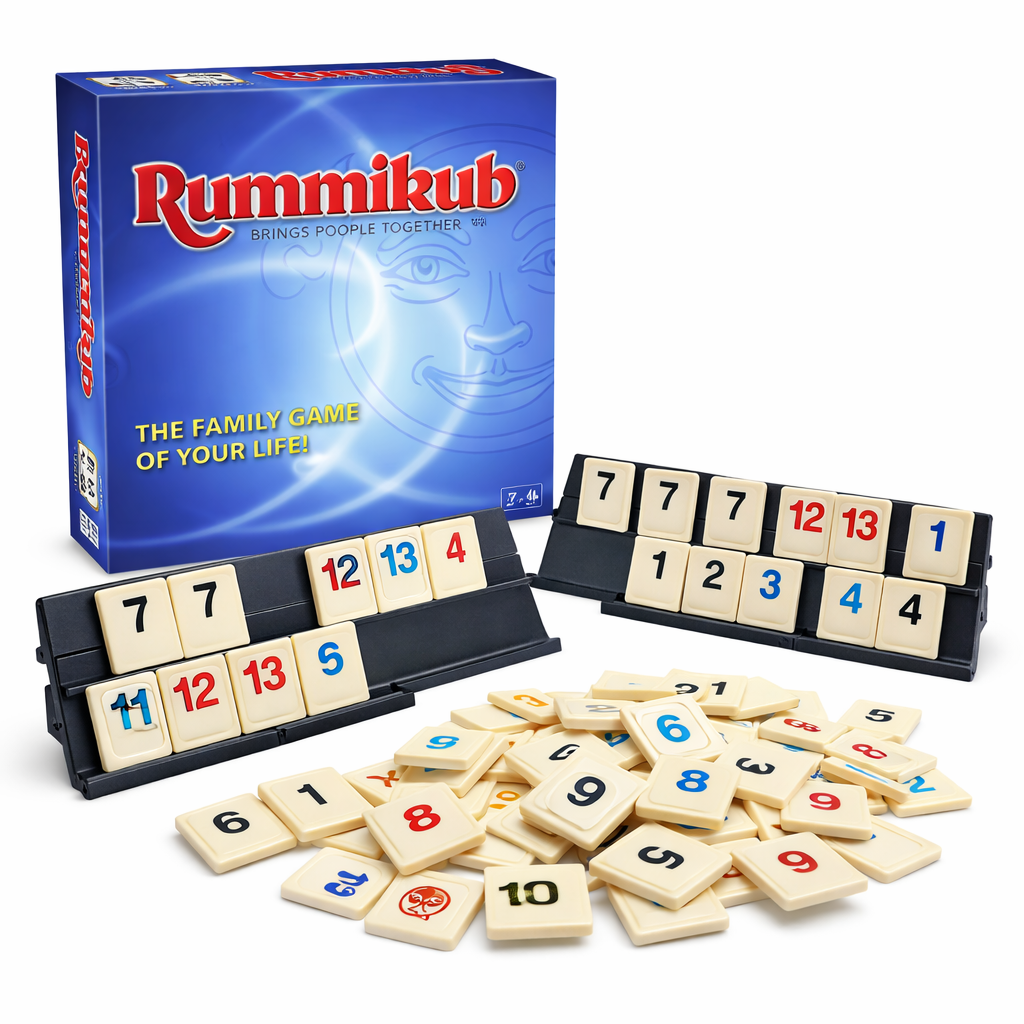
Rummikub
Strategy and logic board game, ideal for the whole family
See on Amazon →
Alternatively, an individual puzzle can be a small recreational activity to enjoy in your free time.
HELPFUL TIP

IQ Puzzler Pro
It is a compact and intelligent puzzle that trains logic, concentration and spatial thinking.
See on Amazon →
Note: These games are offered as recreational activities. They are not treatments and do not guarantee memory improvements or the prevention of cognitive decline.
5. Manage stress and breaks throughout the day
Constant stress, lack of rest, and days without breaks can make it harder to concentrate and feel mentally efficient.
You can try simple strategies:
- organize activities better;
- take short breaks;
- walk;
- reduce distractions;
- spend time on relaxing activities.
If you want to learn more, read also Reducing stress in daily life: practical strategies for home, driving and habits.
It may also be useful to you How to organize your daily life, especially when the feeling of overload comes from too many activities at the same time.

6. Maintain social relationships and activities
Talking to other people, participating in shared activities, and maintaining relationships helps counteract isolation and loneliness.
A conversation, a group activity, or simply spending time with other people are also opportunities to use language, attention, and memory naturally.
Cultivating relationships and social activities is therefore an important part of overall well-being and can help keep the mind active.
7. Avoid smoking and limit alcohol
Brain health is also affected by habits that influence the rest of the body.
Not smoking and limiting alcohol consumption are part of a comprehensive approach to health.
If reducing or stopping alcohol or tobacco use is difficult, it may be helpful to seek support from a healthcare professional.
8. Protect your head from injuries
Protecting your head means reducing the risk of head trauma.
Correctly use a helmet, seat belt and other protective devices required for the activity you are performing.
These are simple gestures, but they are part of the prevention of injuries that can also affect the brain.
9. Check blood pressure, blood sugar and cholesterol
Cardiovascular health and brain health are closely linked.
For this reason, it is important not to ignore conditions such as:
- high blood pressure;
- diabetes;
- high cholesterol;
- other cardiovascular conditions.
This doesn't mean obsessively checking these values yourself.
It means getting appropriate health checkups and following your doctor's directions when there is a condition that needs monitoring or treatment.
10. Keep learning and trying new things
Learning something new can be an enjoyable way to keep your mind engaged.
It could be:
- light;
- learn a language;
- play an instrument;
- play games or puzzles;
- take up a new hobby;
- acquire a new skill.
There's no need to turn everything into an exercise.
Choose activities that truly interest you: it will be much easier to continue over time.
A journal can be used to write down activities, ideas, goals, or simply organize your routine.
Again, we propose it as a practical tool for personal organization, not as a treatment for stress, anxiety, or cognitive problems.
HELPFUL TIP
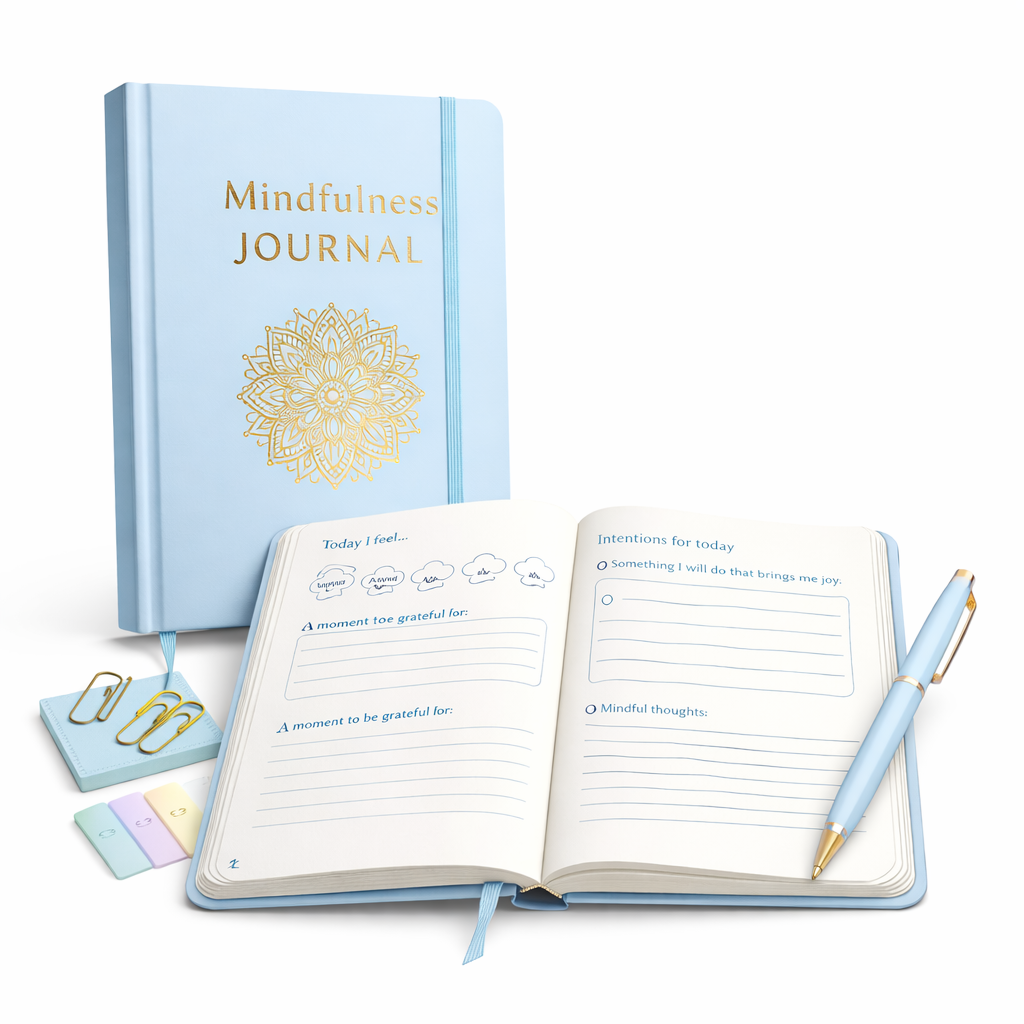
Mindfulness Diary
See on Amazon →
Mistakes to avoid
Looking for a miracle solution
Brain health doesn't depend on a single food, supplement, or exercise.
Be wary of claims that a single product will improve your memory or prevent cognitive decline.
Sleeping little habitually
Insufficient sleep can make it more difficult to function normally throughout the day.
Being completely sedentary
Exercising regularly is part of a healthy lifestyle and offers benefits that affect the entire body.
Ignore high blood pressure or other conditions
Cardiovascular factors are also important for brain health.
Believing that a game “trains the whole brain”
A puzzle can be fun and challenging, but it is not therapy and does not guarantee an overall improvement in memory.
When memory or concentration problems deserve attention
Occasionally forgetting something does not automatically mean you have a disease.
It is advisable to talk to a doctor when a change in memory or concentration is new, persistent, progressive, or interferes with normal daily activities.
In the presence of sudden symptoms such as confusion, difficulty speaking, weakness, or other new neurological symptoms, it is important to seek urgent medical attention.
In summary
To maintain a healthy brain There's no need to chase tricks or miracle products.
It is more useful to focus on the whole lifestyle: exercise, eat a balanced diet, sleep adequately, don't smoke, limit alcohol, maintain cognitive and social activities and take care of cardiovascular health..
None of these habits alone can guarantee that cognitive problems won't develop. However, we can address modifiable factors and overall health over time.

FAQ - Frequently Asked Questions
How to keep your brain healthy?
There's no single solution. Physical activity, a balanced diet, sleep, quitting smoking, limiting alcohol, maintaining mental and social activity, and taking care of your cardiovascular health are all part of a comprehensive approach.
Is sleep important for memory and concentration?
Sleep is important for normal cognitive function. If you persistently sleep poorly or experience severe daytime drowsiness, it's a good idea to talk to a healthcare professional.
What is the best brain exercise?
There's no single best exercise. Physical activity, learning, and other cognitive activities can all be part of an active lifestyle.
Are logic games useful?
They can be a pleasant way to exercise attention and reasoning. However, they should not be considered a therapy or a guarantee of preventing cognitive decline.
What to eat to keep your brain healthy?
Rather than seeking out individual “superfoods,” aim for an overall varied and balanced diet.
Do supplements help prevent cognitive decline?
They shouldn't be automatically considered necessary to protect the brain. Unless you have specific deficiencies or indications, avoid using supplements with the expectation that they will prevent cognitive problems. For personal needs or diagnosed deficiencies, follow the advice of a healthcare professional.
Conclusion
Taking care of your brain means, above all, taking care of your overall health.
You don't have to change everything in one day. It's more helpful to build sustainable habits and maintain them over time, without expecting miraculous results from a single food, product, or exercise.
Small, realistic, consistent changes are easier to maintain than overly rigid schedules.
Note: This article is for informational and educational purposes only and does not replace a medical evaluation. If you experience new, persistent, or concerning symptoms, consult a healthcare professional.


 Italian
  English