

Reading time: approximately 7 minutes · Practical guide updated to 2026
Immediate response
The excessive stress It can manifest itself with tiredness, irritability, difficulty concentrating, muscle tension and poor sleep.
To reduce tension, you can start with simple actions: slow your breathing, take a short break, move around, reduce distractions, and better prioritize your activities. If stress persists, worsens, or interferes with sleep, work, relationships, or daily life, it's advisable to talk to a professional.
What you will learn:
- How to recognize the signs of excessive stress.
- What are the most common causes?.
- What to do in times of great tension.
- What habits can help over time.
- What mistakes to avoid.
- When it is appropriate to ask for help.
Index
How to understand if stress is too high
Stress is the body's natural response to situations perceived as challenging or threatening.
In the short term it can be useful: it increases attention and prepares the body to face a difficulty.
The problem arises when tension becomes frequent or persistent and we are no longer able to recover adequately.
Some symptoms of excessive stress These may include persistent tiredness, irritability, difficulty concentrating, muscle tension, headaches, poor sleep, a feeling of being overwhelmed, and difficulty relaxing.
These symptoms do not necessarily indicate stress and may have other causes. If they are significant, new, or persistent, it's a good idea to discuss them with a doctor or qualified professional.

To learn more about the signs that may appear when the situation lasts for a long time, also read Chronic stress: 15 signs your body is begging you not to ignore.

The main causes of daily stress
Sources of stress vary from person to person.
Among the most common are work problems, financial difficulties, family commitments, lack of time, relationship problems, information overload, and constant interruptions.
Before trying many different techniques, it may be helpful to ask yourself:
“What is putting the most pressure on me these days?”
Identifying the source doesn't automatically eliminate the problem, but it helps you understand where to intervene.
What to do immediately when you feel too much stress
When tension builds, you can't always immediately eliminate the cause. However, you can try to reduce the activation and regain some control.
1. Slow down your breathing
Slow, controlled breathing can promote a feeling of calm.
You can try inhaling slowly, pausing briefly, and exhaling without forcing your breath. Repeat for a few cycles.

If you feel dizzy or unwell, stop the exercise and return to normal breathing.
2. Move for a few minutes
A walk, some mobility exercises, or some stretching can help break up a prolonged period of tension and inactivity.
It doesn't necessarily require intense training.

For further information, read also Playing sports: real benefits for body and mind.
HELPFUL TIP
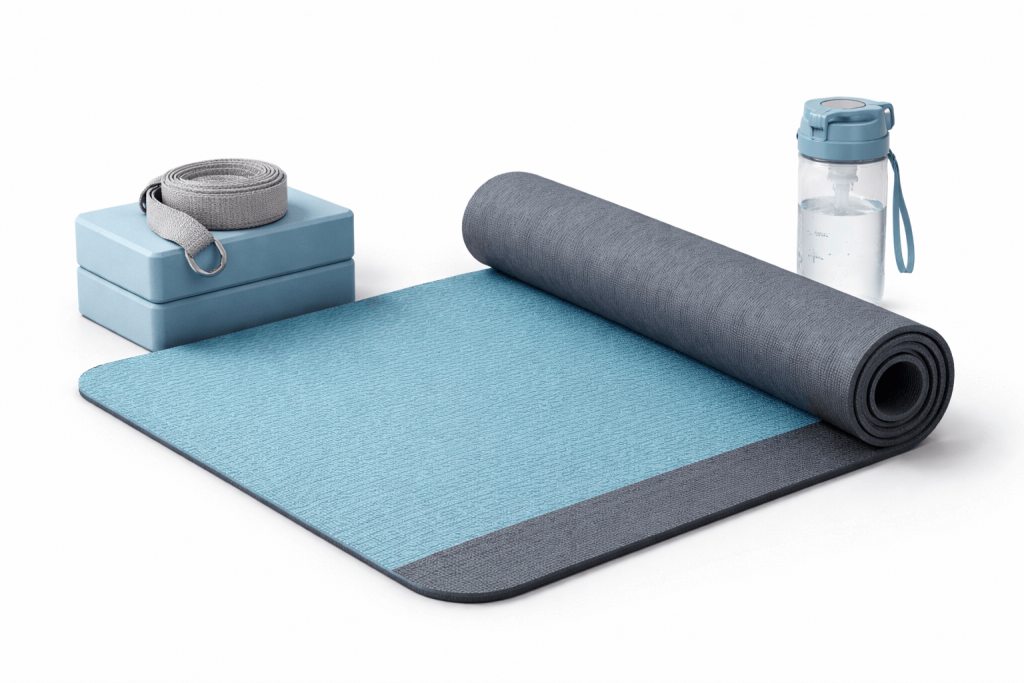
Fitness mat
See on Amazon →
If you use stretching or yoga as a relaxation method, a mat can make floor exercises more comfortable.
3. Write what's on your mind
When tasks pile up, it can be helpful to transfer them from memory to a sheet of paper or a diary.
Write down what you need to do, what worries you, what can wait and above all the three real priorities of the day.

A planner can be helpful if you prefer to keep your tasks and priorities visible in one place.
HELPFUL TIP

Daily planner
See on Amazon →
Can mindfulness and meditation help?
Mindfulness involves bringing your attention to the present moment, observing thoughts and sensations without constantly trying to follow or judge them.
You can start with just a few minutes: sit comfortably, bring your attention to your breathing, and when your mind wanders, calmly bring it back to the present moment.
There is no need to “empty your mind”.

For those who prefer to meditate sitting on the floor, a support can make the position more comfortable.
HELPFUL TIP
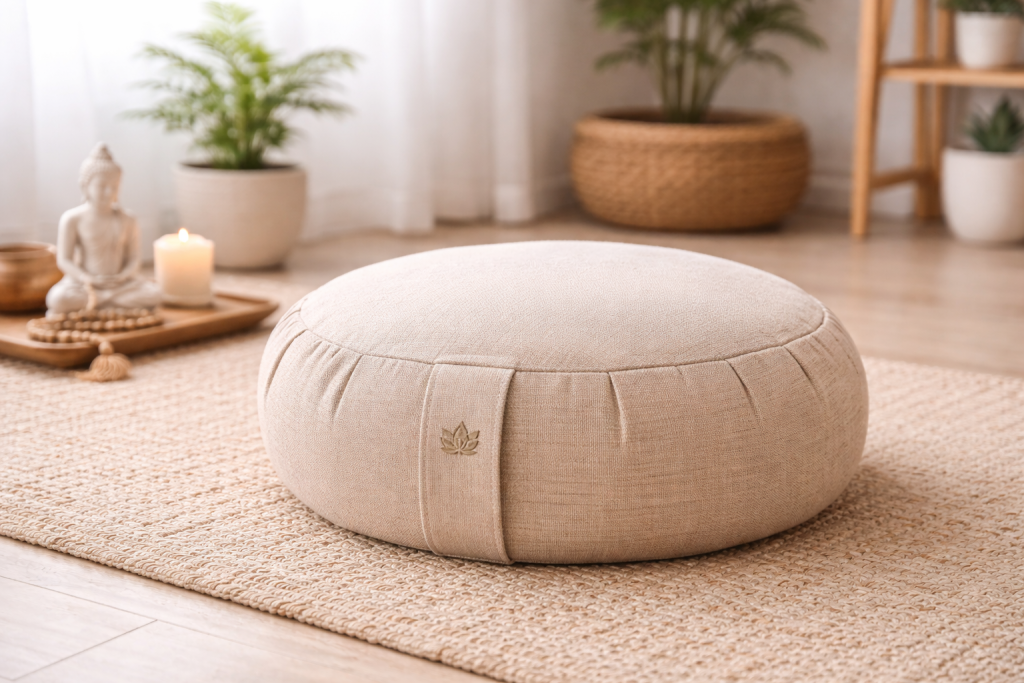
Meditation cushion
See on Amazon →
Reduce digital stress
Smartphones, messages, social media, and notifications can constantly fragment our attention.
You don't have to eliminate technology. You can start by turning off non-essential notifications, avoiding constantly checking your phone while working, and creating some smartphone-free moments.

The goal isn't to do a perfect “digital detox,” but to regain greater control over when and how you use devices.
Organization and time management
Feeling overwhelmed by dozens of activities can increase the feeling of pressure.
Every day you choose three main priorities and separate what is urgent, important or postponable.
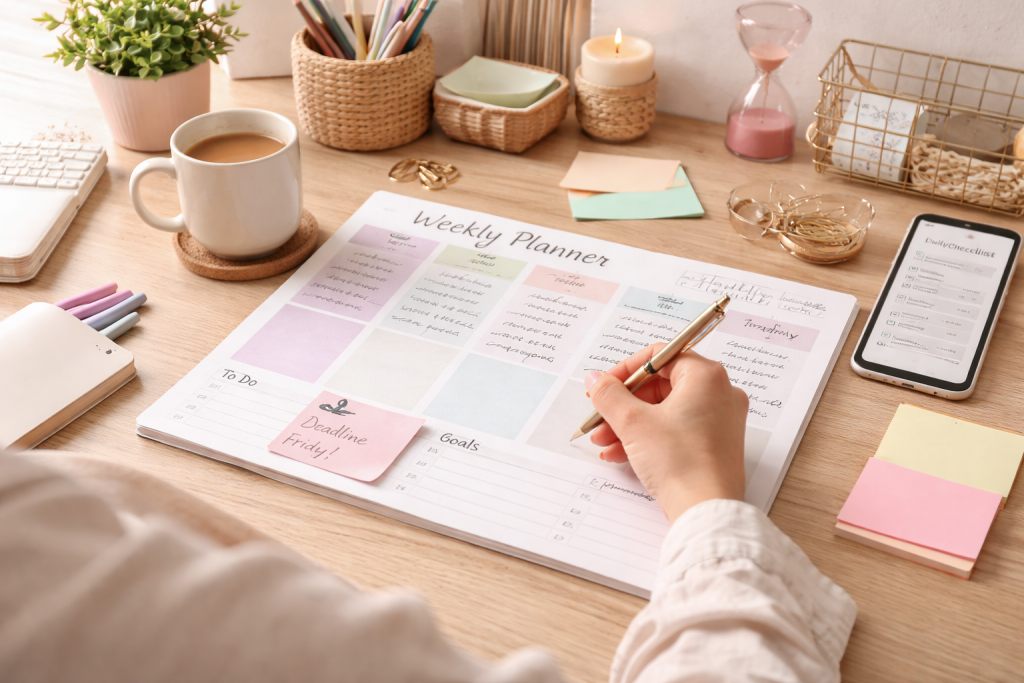
HELPFUL TIP
Weekly productivity planner,
See on Amazon →
Learning to set limits
Constantly taking on new commitments when time is already limited can increase pressure.
Sometimes it may be necessary to say:
“I can't do it today.”
or:
“I can take care of it, but not by this deadline.”
Setting limits also means being realistic about your time and energy.
The role of breaks
Working long hours without stopping does not necessarily mean being more productive.
During prolonged activities, try standing up, taking a few steps, drinking water, or simply stepping away from the screen for a few minutes.
You can use work and rest intervals, but you don't have to strictly follow the classic 25 + 5 minute schedule.
Sleep and stress: a two-way relationship
Stress and sleep can influence each other.
When we're under pressure, it can be harder to fall asleep or sleep well; at the same time, not sleeping enough can make it harder to tackle the day's tasks.
It can be helpful to maintain a fairly regular schedule, reduce stimulating activities before bed, and limit notifications during the night.
To make the room darker, a mask can be useful in certain situations.
HELPFUL TIP
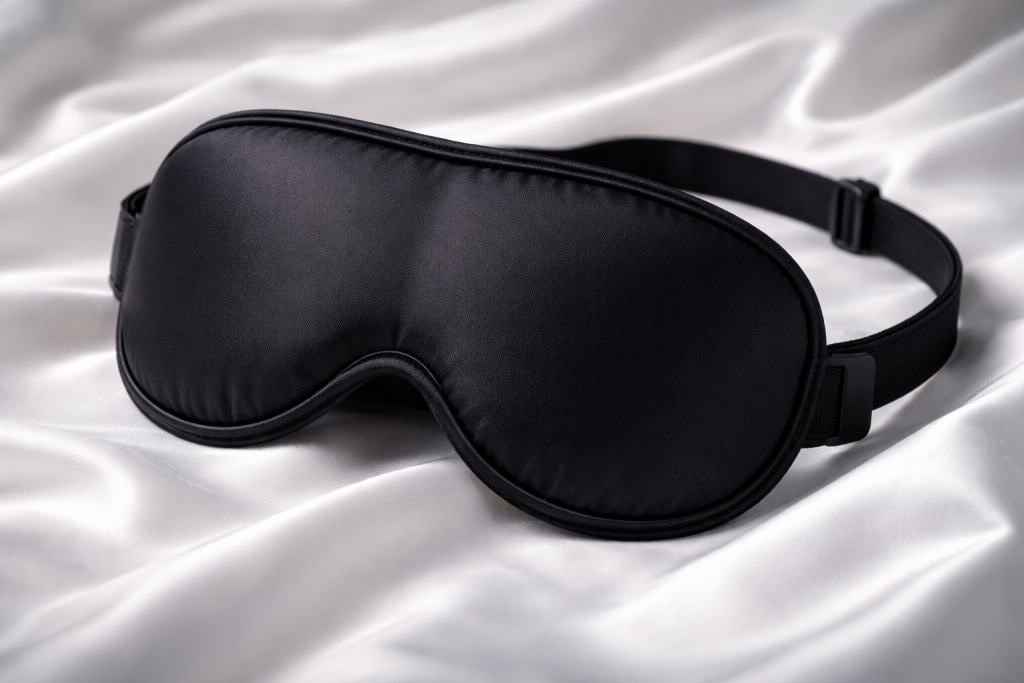
Blackout sleeping mask
See on Amazon →
In noisy environments, some people prefer to use earplugs while sleeping.
HELPFUL TIP

Earplugs
See on Amazon →
A diffuser, on the other hand, can simply be used to make the environment more pleasant.
HELPFUL TIP
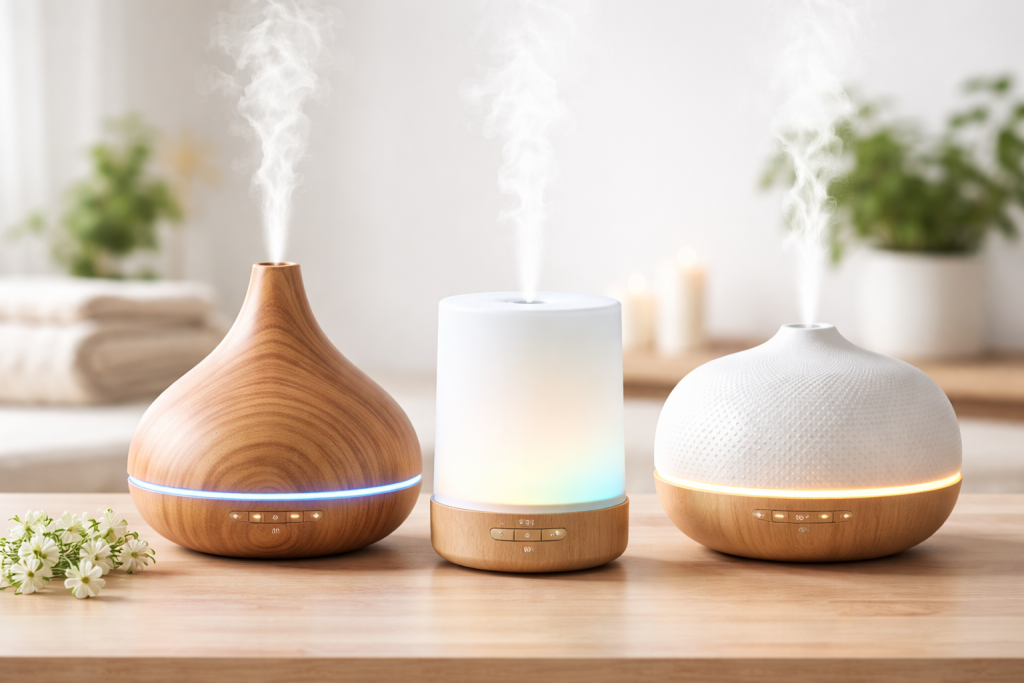
Aromatherapy diffuser
See on Amazon →
Nutrition and stress
There is no food that can eliminate stress.
However, a balanced diet is part of general health care.
It may be helpful to pay particular attention to excessive caffeine consumption if you notice that it increases agitation or interferes with sleep.
Vegetables, fruits, whole grains, adequate protein sources, and regular hydration contribute to a balanced diet.
Environment and relationships matter
Even what surrounds us can influence how we experience a difficult day.
A tidier space, good lighting, and a place to stop for a few minutes can make the environment more comfortable.
Learn more with How the home affects mental well-being.
Social support can also be important. Talking to a trusted person can help when we feel overwhelmed.
A simple day with less stress
You don't need to completely transform your life.
Morning: Avoid opening all notifications immediately and prioritize them.
During work: alternate periods of concentration with short breaks.
Afternoon: whenever possible, get some exercise.
Evening: reduce stimuli and dedicate a few minutes to a quiet activity.
For a more extensive guide on daily habits, read Reducing stress in daily life: practical strategies for home, driving and habits.
When stress requires more attention
Not all symptoms need to be managed alone with breathing, meditation, or organization.
It is advisable to seek professional help when the condition persists or significantly interferes with sleep, work or study, relationships, daily activities, or emotional well-being.
Physical symptoms such as dizziness, pain, palpitations, or headaches can have numerous causes and should not be automatically attributed to stress.
If they are new, significant, persistent, or concerning, it is a good idea to talk to a doctor.
Practical plan: where to start
If all this seems like too much, don't try to change ten things at once.
| Problem | First step |
|---|---|
| Too many distractions | Turn off non-essential notifications |
| Overloaded mind | Write down three priorities |
| Too much time sitting | Take a short walk |
| Difficulty detaching | Create a work-free evening |
| Sudden tension | Try slow breathing |
| Disturbed sleep | Review your evening routine |
You choose one action for a week and evaluate whether it is sustainable and useful for you.
In summary
The excessive stress It can manifest itself in different ways and there is no single technique that works for everyone.
Slow breathing, movement, breaks, sleep, organization, and a more conscious use of technology can be helpful tools.
The important thing is not to turn stress management into another endless list of obligations.

FAQ - Frequently Asked Questions
How to reduce stress quickly?
A short break, slow breathing, or a few minutes of movement can help temporarily reduce tension. They don't necessarily eliminate the source of the stress.
What are the most common symptoms of stress?
Irritability, muscle tension, fatigue, difficulty concentrating, and sleep disturbances may occur. These are nonspecific symptoms and may also have other causes.
How long does it take to feel better?
It depends on the cause and intensity of the stress. Some strategies can provide a feeling of relief quickly, while changing the conditions that maintain stress may take longer.
What is the best technique to combat stress?
There's no one-size-fits-all technique. Movement, breathing, mindfulness, pauses, and organization can be helpful in different situations.
Can stress cause headaches?
Stress and tension can be associated with some types of headaches, but headaches can have many other causes. If they are frequent, intense, new, or worrying, it's a good idea to talk to a doctor.
Can stress cause dizziness?
Stress and anxiety can be accompanied by feelings of dizziness in some people, but dizziness can have many other causes. It shouldn't be automatically attributed to stress.
Can stress increase your heart rate?
An acute stress response can temporarily increase your heart rate. New, severe, or persistent palpitations, however, require medical evaluation.
When is it best to ask for help?
When stress persists, it becomes difficult to manage or interferes with sleep, work, study, relationships, or daily activities.
You may also be interested in
- Chronic stress: 15 signs your body is begging you not to ignore
- Reducing stress in daily life: practical strategies for home, driving and habits
- How the home affects mental well-being
- Daily habits for better living: home, wellness and stress-free mobility
- Healthy Lifestyle: 10 Habits for a Better Life
- Playing sports: real benefits for body and mind
Conclusion
Reducing stress doesn't mean eliminating every problem from your life.
It means recognizing what's putting us under pressure and finding sustainable ways to recover: a break, some exercise, better organization, fewer distractions, or more regular sleep.
Start with just one thing.
If, however, stress continues to weigh on your life despite the changes, seeking professional support may be the most helpful step.


 Italian
  English