Reading time: 4 minutes
Immediate response
To understand when to water plants in winter, check the soil first. If it's still moist, you can usually wait. If it's dry even under the surface, evaluate the plant's needs and choose a mild day, avoiding frozen ground.
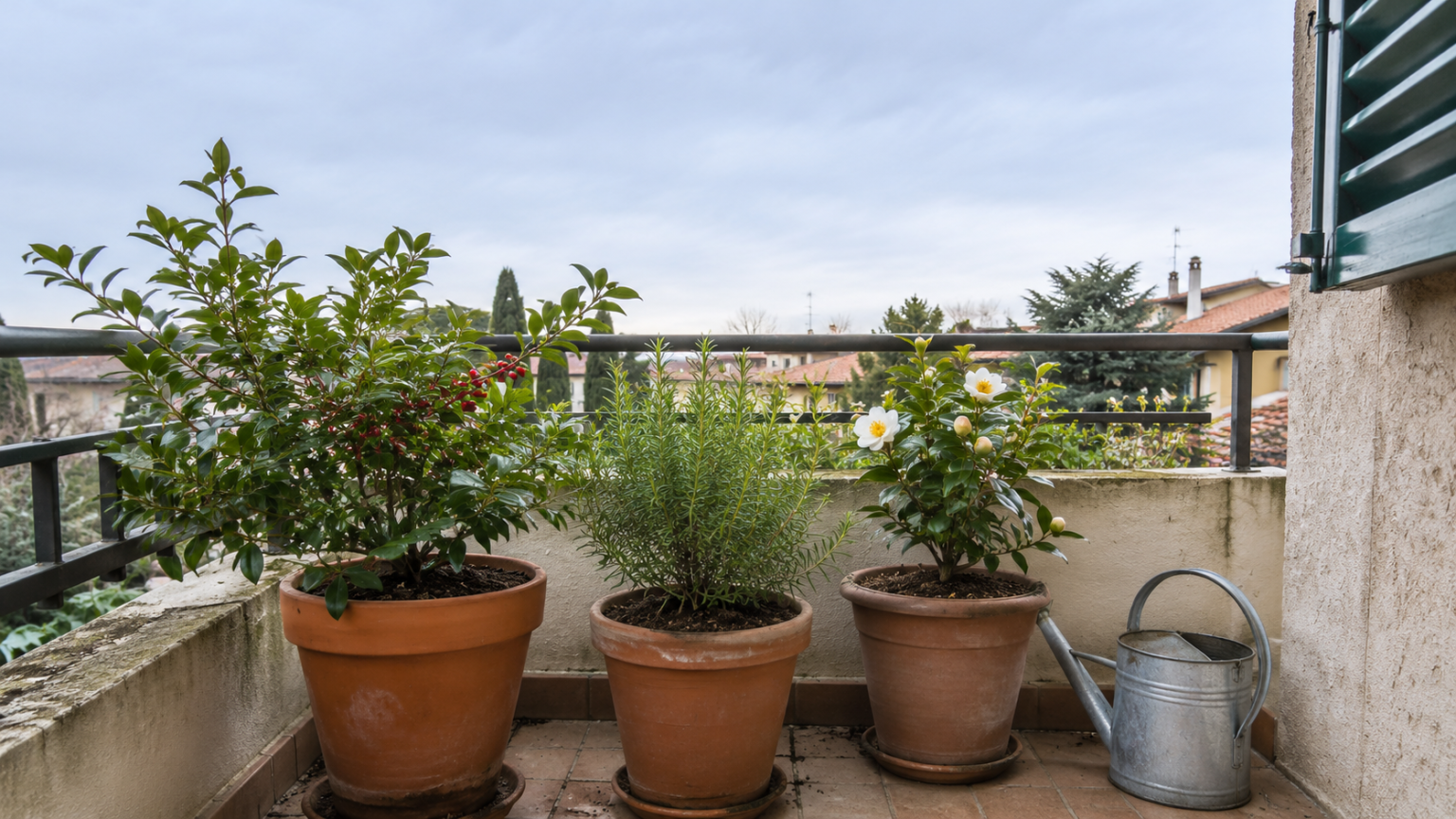
The most useful rule is not to water automatically every week. A pot exposed to rain can remain damp for a long time, while one sheltered under a roof may need watering even in the middle of winter.
What you will learn:
How to recognize when a plant needs water.
What is the best time to water during the winter?
How to manage plants on your balcony and in your home.
What mistakes can damage the roots.
Index
When to water plants in winter
During the winter, many plants grow more slowly and require less water than in the warmer months. However, this doesn't mean they can go without watering forever.
For outdoor plants, when water is needed, you prefer the central hours of a mild day, with unfrozen soil and no imminent frosts.
La Royal Horticultural Society (RHS) recommends monitoring the water needs of container plants even in winter and avoiding watering when frost is forecast.
Therefore, there is no single number of days that is valid for all plants: what matters most is the condition of the soil.
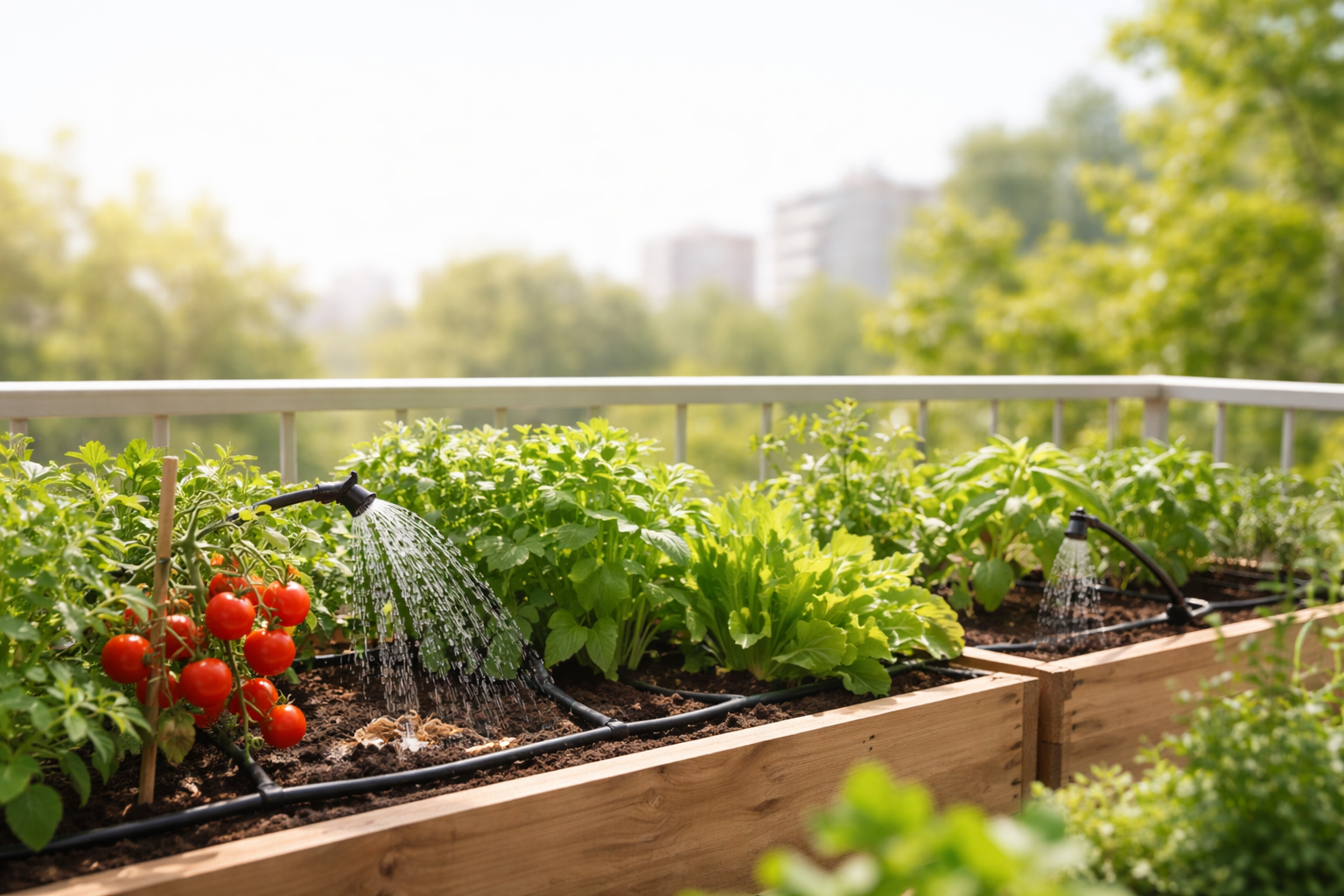
How to check the soil before watering
The check takes less than a minute.
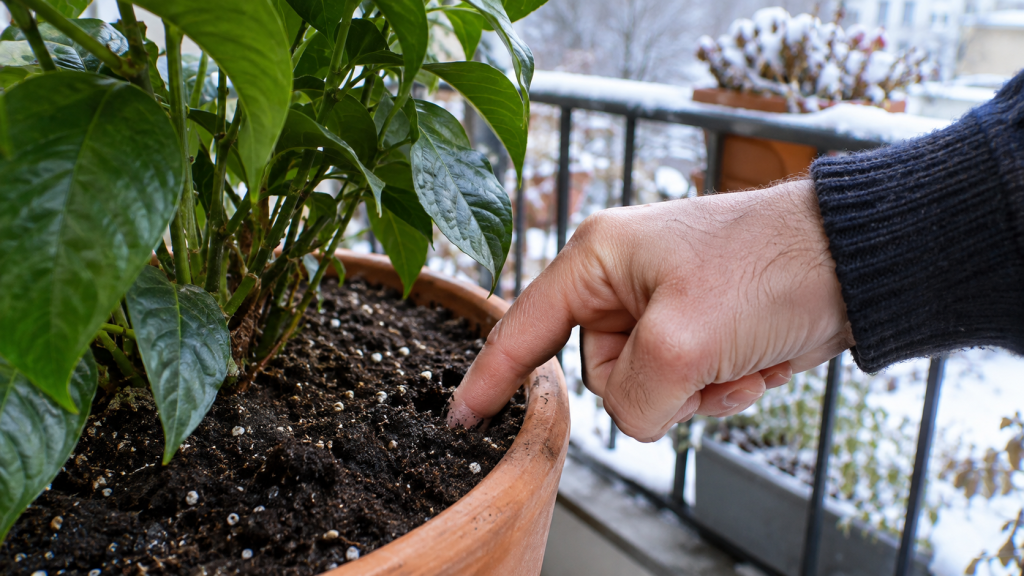
Touch the surface of the soil.
Gently insert a finger about 2–3 cm, if the pot allows it.
If the soil is still moist, avoid adding water unnecessarily.
If it's dry, check to see if the species requires watering.
In small pots, also compare the weight: a very light pot may indicate that the soil has dried out.
Attention: superficial inspection is only a first clue. In large pots, the soil can remain moist deep down even when the surface appears dry.
A practical example
Imagine two pots with the same plant.
The first is located on a balcony exposed to the rain. The second is under a canopy, where rainwater doesn't reach.
After a week, the first one may still have wet soil, while the second one may be dry.
Watering them both at the same time would be a mistake.
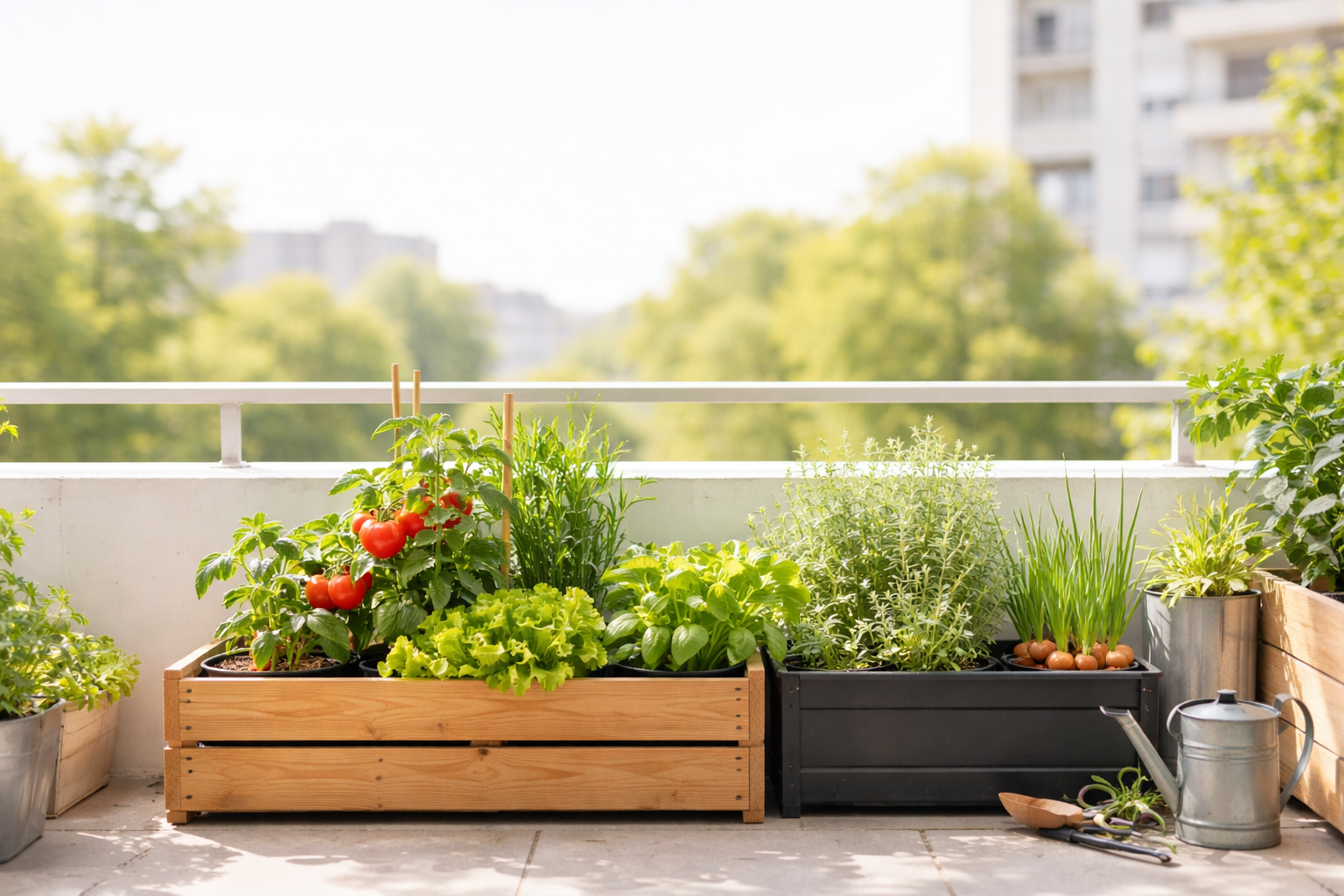
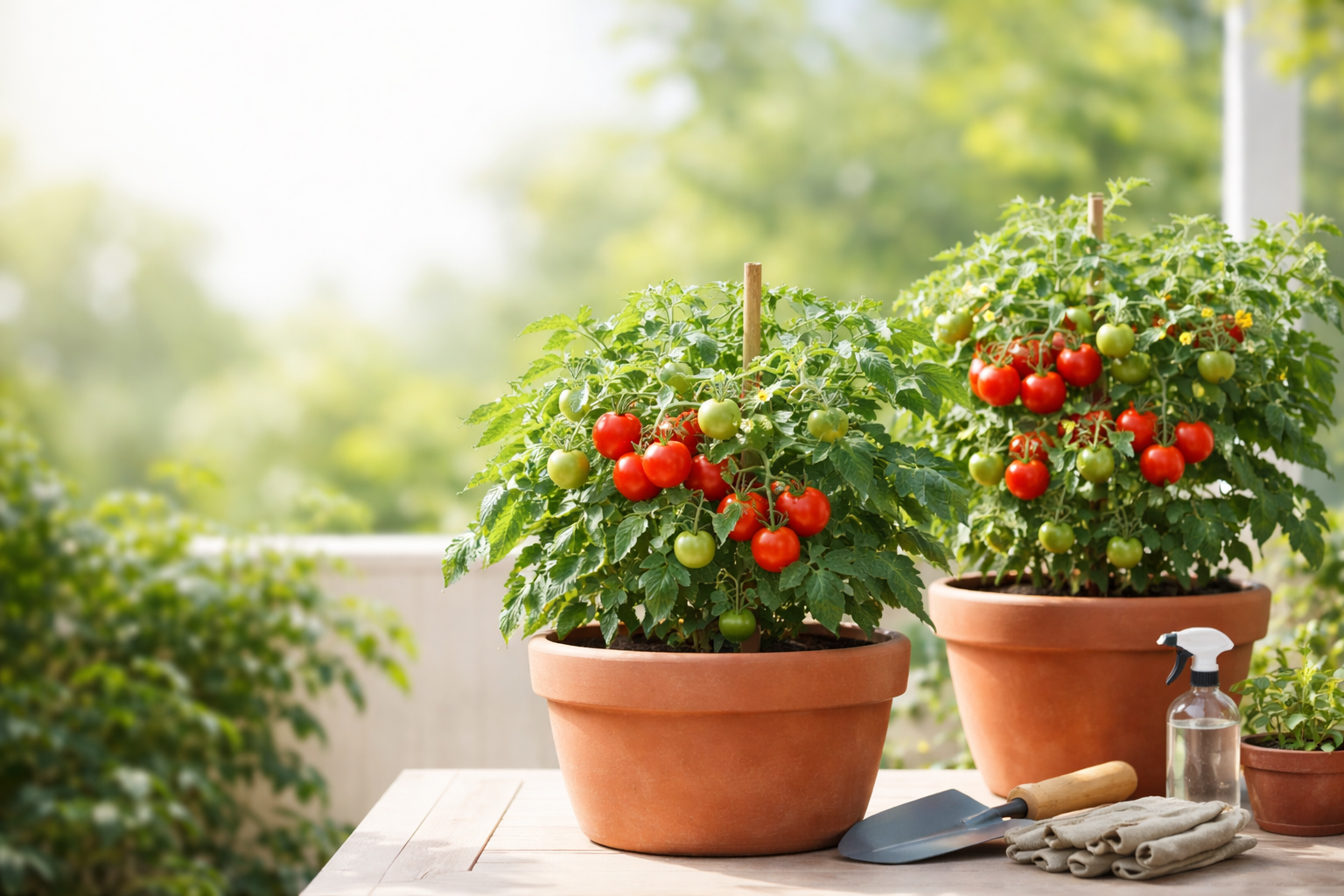
Potted plants outdoors: beware of rain
During the winter, rainfall may be sufficient for many container-grown plants.
As explained by RHS in pot watering guide, Evergreens may still need water during dry winter periods.
Before watering, check:
Exposure: Does the vase receive rain or is it sheltered?
Soil: Is it dry, damp, or completely soaked?
Drainage: are the holes on the bottom free?
Weather forecast: are frosts forecast?
If the soil is already very wet, adding more water will not help the plant.
How to avoid stagnation
The problem is not just how much water you pour in, but also where it ends up.
Check that the pot has efficient drainage holes and that the saucer does not retain water for long periods.
The RHS recommends removing saucers outdoors during the winter, to limit water build-up.
For plants sensitive to waterlogging, even slightly raising the containers with special feet can promote drainage.
To learn more about choosing species and protecting them from frost, read our guide on cold-resistant balcony plants.
What if the pot is under a roof?
A plant sheltered from the rain can dry out even in winter.
Check the soil periodically and water when necessary, without keeping the substrate constantly wet.
Control is especially important for some evergreen plants, which continue to lose water through their leaves even during the cold season.
Indoor plants: be careful about heating
Houseplants may have different needs than those grown outdoors.
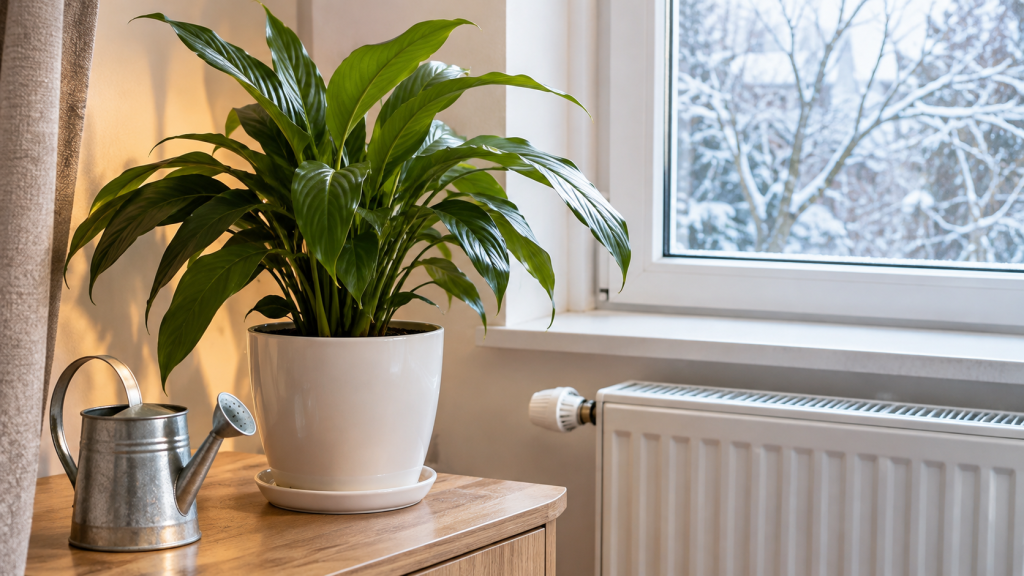
A plant near a radiator, for example, may be in a warmer, drier environment than one placed in a cool room.
La RHS, in the guide to houseplants, explains that plants kept in cool environments generally require less water than those kept in warm environments.
To regulate yourself:
Check the soil before each watering.
Avoid leaving stagnant water in the toilet seat.
Consider the species and its needs.
Take the room temperature into account.
Not all houseplants need to be treated the same: cacti, succulents, and tropical plants may have different needs.
Mistakes to avoid during the winter
1. Always water on the same day
Watering every seven days without checking the soil can cause excess moisture.
It's best to check periodically and intervene only when necessary.
2. Watering with frozen soil
When the soil is frozen, postpone watering.
Wait until the ground has thawed and the weather conditions allow you to intervene without unnecessarily exposing the plant to frost.
3. Leave water in the saucer
Stagnant water can reduce the oxygen available to the roots and promote root decay.
After watering, discard excess water when the container has finished draining.
4. Confusing wilted leaves with thirst
A plant with drooping leaves does not necessarily need water.
Even overly wet soil can cause similar symptoms.
La RHS, in the guide to houseplant problems, warns that excess water can cause wilting and be mistaken for water deficiency.
Before intervening, always check the condition of the soil.
In summary
To water plants correctly in winter:
Check the soil before adding water.
Avoid watering when the soil is frozen or there is an impending frost.
If you need water outdoors, prefer a mild day.
Check drainage holes and saucers.
Distinguish between pots exposed to rain and those sheltered from it.
Consider temperature and species for houseplants.

FAQ - Frequently Asked Questions
How often should plants be watered in winter?
There's no universal interval. It depends on the species, climate, pot type, and soil moisture. Check the soil periodically rather than following a fixed frequency.
Can you water plants when it's very cold?
It's best to avoid planting if the ground is frozen or frost is forecast. If the plant needs water, choose milder conditions.
Do evergreen plants need water in winter?
Yes, some evergreens may need it, especially if grown in pots, exposed to wind and sheltered from rain. However, soil moisture should be checked.
How can I tell if I'm watering too much?
Constantly wet soil, waterlogging, and damaged leaves may indicate a problem. Check drainage, humidity, and root condition before adding more water.
Conclusion
Understanding when to water plants in winter is easier than it seems.
There is no need to follow a rigid schedule: check the soil, observe the climatic conditions and consider the needs of the plant.
Sometimes the best option is to wait a few days before reaching for the watering can.
For more practical tips on plant care, visit the category Consutil's Garden and Vegetable Garden.