

Reading time: 9 minutes
Immediate response
Signs of chronic stress include persistent fatigue, irritability, sleep disturbances, difficulty concentrating, muscle aches, digestive problems, and loss of motivation. If these symptoms last for weeks or months, it is important to take action to avoid burnout and health problems.
What you will learn:
By reading this guide you will discover:
✓ what are the 15 most common signs of chronic stress and how to recognize them;
✓ what happens to the brain and body when stress lasts too long;
✓ why chronic stress is different from “normal” stress;
✓ what mistakes can make the situation worse without you realizing it;
✓ what to do immediately to start recovering energy and well-being;
✓ when it is advisable to seek the support of a doctor or psychologist.
ℹ️ This guide was updated in July 2026 with information based on current scientific knowledge regarding the effects of chronic stress on the brain, sleep, and overall health.
Index
It didn't happen in a day.
There was no specific time when you said:
“As of today I am exhausted inside.”
It came slowly.
You used to sleep a little worse.
Then you felt more nervous.
Then you started to forget things.
Then you realized that even the good things didn't really make you happy anymore.
And you thought:
“It's just a period.”
But if that period lasts for months-or years-it is no longer a period.
It is chronic stress.
If you recognize yourself in more than 3 signs as you read, stop for a moment.
Not to worry.
To listen to you.
Because chronic stress does not come suddenly.
It comes when you keep moving forward-with no more catching up.
What is chronic stress (no pun intended)
What happens in the body when stress becomes chronic
When stress lasts too long, it is not just a mental feeling.
Go organic.
The body continuously activates the so-called axis hypothalamus-pituitary-adrenal (HPA), responsible for the stress response. This leads to a constant release of:
- cortisol
- adrenaline
- noradrenaline
In the short term, these hormones help to respond.
In the long run, however, they do damage.
What happens is this:
- sleep becomes lighter and more fragmented
- digestion slows down or becomes impaired
- the immune system weakens
- brain struggles to focus and make decisions
The key point is one:
👉 The body does not distinguish between a real and a psychological danger.
For him, a work deadline can be perceived as an attack.
And if this state continues every day, the system never really comes back to rest.
How chronic stress changes the brain over time
Chronic stress doesn't just affect how you feel every day.
Over time, it concretely modifies the functioning of the brain.
When cortisol levels remain elevated for weeks or months, some brain areas begin to adapt to this condition of continuous alertness.
The problem is that this adaptation comes at a cost.
The hippocampus, which is involved in memory and learning, can reduce its efficiency. This results in difficulty remembering information, concentrating and maintaining mental clarity during simple tasks.
The prefrontal cortex, responsible for decision-making, attention and emotional control, tends to work worse. This is why many people under chronic stress feel confused, indecisive and easily overwhelmed even by mundane tasks.
At the same time, the amygdala, which handles fear and alarm responses, becomes more active. This means you react more intensely to even small stimuli, perceiving everything as more urgent or threatening than it really is.
The overall result is clear:
👉 less lucidity
👉 more responsiveness
👉 increased mental fatigue
This is not a personal weakness.
It is a real neurological response to a prolonged state of pressure.
The good part is that the brain has great adaptive capacity.
By reducing stress, improving sleep and introducing moments of recovery, these alterations can gradually reduce.
But a key step is needed:
👉 interrupt the continuous activation cycle.
🔬 Did you know?
The information in this guide is consistent with current scientific knowledge on chronic stress. Organizations such as the World Health Organization (WHO), the Italian National Institute of Health (ISS), and the American Psychological Association (APA) highlight that prolonged stress can affect sleep, concentration, the immune system, and cardiovascular health.
This is why it is important to recognize the symptoms early and intervene before they become a more serious problem.
What happens when chronic stress is ignored?
Many people live with chronic stress for months, thinking it's a passing phase. In reality, when the body remains in a state of high alert for too long, the risk of developing other problems progressively increases.
Chronic stress can contribute to poor sleep quality, increase blood pressure, weaken the immune system, and contribute to disorders such as anxiety, depression, and burnout. In some people, it can also affect cardiovascular health and metabolism, especially when combined with a sedentary lifestyle, an unbalanced diet, and poor recovery.
This doesn't mean that every stressed person will develop these conditions, but ignoring the signs for a long time makes recovery more difficult. That's why it's important to intervene when the symptoms are still manageable, without waiting until the body reaches its limit.
Chronic stress vs acute stress: the difference that changes everything
Not all stress is bad.
There is a useful stress, called acute stress.
It is what:
- energizes you before a challenge
- increases concentration
- helps you react quickly
But it has one key feature:
👉 It ends.
Chronic stress, on the other hand:
- lasts for weeks or months
- has no real “end”
- keeps the body active at all times
Here is a simple difference:
| Acute stress | Chronic stress |
|---|---|
| Short duration | Long term |
| Useful | Weary |
| Rapid recovery | No real recovery |
| Temporary energy | Continuous exhaustion |
The problem is not stress.
È never recover.
That's when your body gets stuck in emergency mode.
Always.
Even when there is no real danger.
The brain keeps producing cortisol and adrenaline as if you're running from a predator--while you're just answering emails or shaking the phone.
The result?
Huge energy consumption.
Invisible attrition.
Profound exhaustion.
How to read the signs
Not everyone experiences the same symptoms. Some signs may appear together, while others may appear alone. If you recognize yourself in several of the symptoms described and they persist for weeks, it's time to listen to your body and consider how to reduce sources of stress.
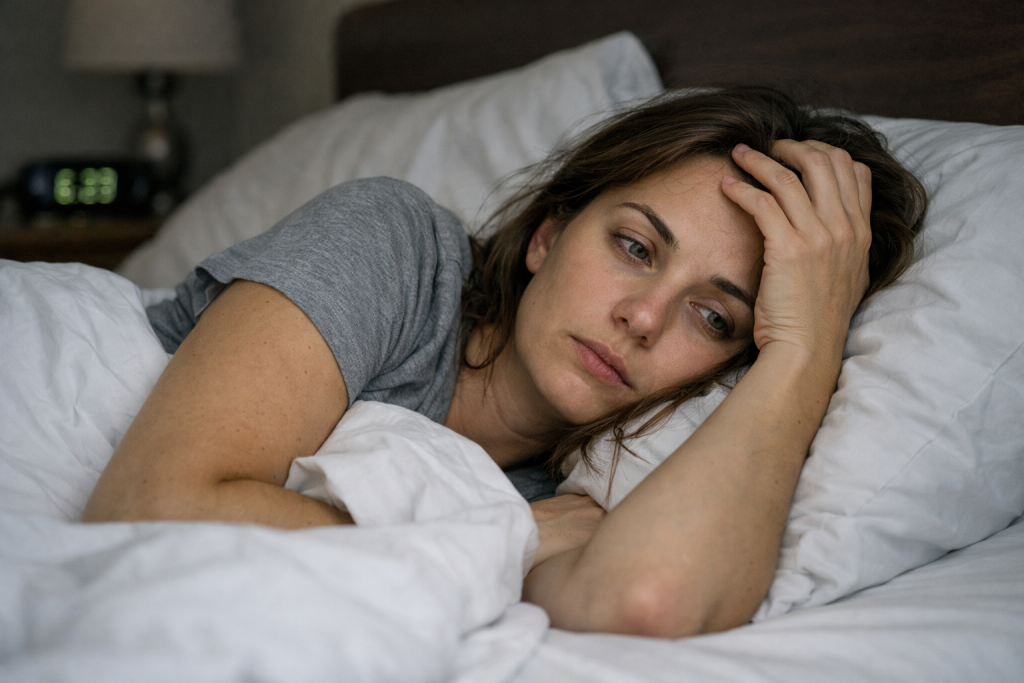
1 You wake up already tired
Sleep does not recharge.
Sleeping 8 hours does not change anything.
You feel like the battery is always at 20%.
This happens because the brain does not enter the deep stages of recovery.
How to recognize it in everyday life
If, even after a good night's sleep, you feel drained of energy, struggle to get out of bed, and feel like you haven't recovered, it might not just be fatigue. When this situation persists for weeks, it can be a sign of chronic stress.
2 You are irritable about tiny things
Normal noises become unbearable.
Simple requests look like aggression.
You have not become bad.
You are overloaded.
In practice
If you react disproportionately to small setbacks, noises, or everyday demands, your nervous system may be in a state of constant alert.
3 You can no longer concentrate
Read the same sentence three times.
You open the phone and forget what you wanted to do.
Make trivial mistakes.
Chronic stress reduces the functions of the prefrontal cortex, the part of the brain that manages attention and decision-making.
A common example
Reading the same page multiple times, forgetting appointments, or losing the thread of a conversation are common difficulties in people subjected to prolonged stress.
4 You have continuous muscle pain
Stiff shoulders.
Hard neck.
Clenched jaw.
The body is in constant tension.
5 Digestive problems with no apparent cause
Irritable colon, bloating, nausea.
The digestive system is directly connected to the nervous system.
6 You get sick more often
Continuous colds.
Herpes.
Recurrent infections.
The immune system is weakened.
7 Accelerated heartbeat or sense of oppression
Also at rest.
Many people think of heart problems.
It is often nervous hyperactivation.
8 Emotional hunger or loss of appetite
Stress alters hunger hormones.
You can eat all the time-or forget to eat.
9 Caffeine addiction
Without coffee you don't leave.
But the more you drink, the worse your sleep gets, creating a vicious cycle.
10 You no longer feel enthusiasm
This is the most insidious part.
You are not sad.
You are empty.
The things you used to like no longer give you energy.
It is called anhedonia.
11 You want to isolate yourself
Ignored messages.
Invitations declined.
Zero social energy.
Chronic stress also consumes the ability to be with others.
12 You always have the feeling of “too much”
Too many things to do.
Too much responsibility.
Too many decisions.
Even when it is not objectively true.
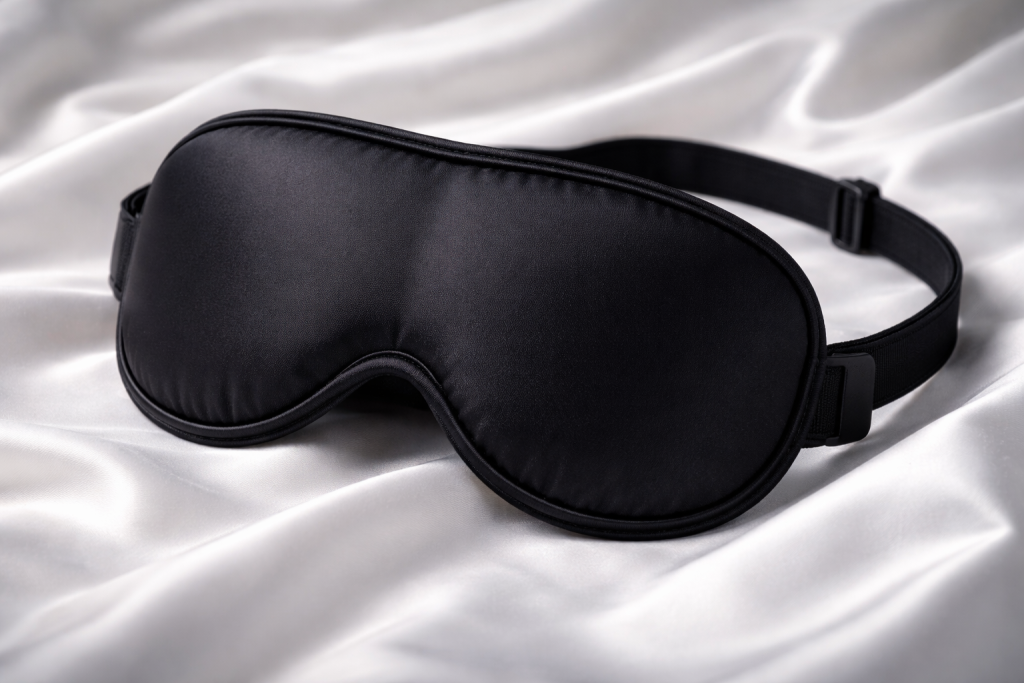
13 You sleep badly or wake up at night
The brain remains in alert mode.


14 You always feel behind on life
As if you are chasing something you never reach.
15 You feel “turned off”
Not just tired.
Off.
As if someone had dimmed the brightness of your life.

The emotional signals you often fail to recognize
Not all symptoms of chronic stress are obvious.
Some are subtle. Silent.
And precisely because of this dangerous.
You might notice:
- difficulty feeling joy (anhedonia)
- emotional detachment from people
- feeling of living “on automatic”
- Decline in motivation even for important things
- Constant need for distractions (phone, social, TV series)
It is not laziness.
It is not a lack of willpower.
It is the brain that is trying to protect you by reducing the emotional load.
The problem is that doing so also reduces pleasure.
When it becomes burnout
If ignored for a long time, chronic stress evolves into burnout.
It's not just fatigue.
It is mental and emotional collapse.
When chronic stress becomes a serious problem
Some stress is normal.
But there are signs that the situation is going further.
Pay attention if:
- symptoms last for more than 1-2 months
- sleep is compromised almost every night
- you feel a sharp drop in daily energy
- you have recurring negative thoughts or a sense of emptiness
- you begin to avoid responsibility or relationships
In these cases, it is no longer something to be “handled alone.”.
Now is the time for more structured intervention.
Talking to a professional is not a failure.
It is a strategy.
Because it happens today more than ever
Chronic stress and work: the invisible link
For many people, chronic stress does not arise from a sudden event.
It is built slowly, day by day, especially in the work context.
You don't have to have extreme work to get there.
All it takes is a constant combination of factors that, over time, consume mental energy:
- Lack of control over their own activities
- continuous demands with no real breaks
- frequent interruptions and multitasking
- Unclear or ever-changing expectations
- difficulty in “disconnecting” even outside of working hours
Remote work, which seems more flexible, can also make the situation worse.
Because it eliminates the boundaries between work and personal life.
There is no longer a true beginning or end to the day.
The brain remains active, even when the body is still.
Check your emails in the evening.
Think about work while eating.
You wake up already with a busy mind.
👉 This means you never really recover.
And without recovery, stress builds up.
Over time, this leads to concrete consequences:
- drop in concentration
- increase in errors
- loss of motivation
- constant feeling of fatigue
- difficulty making decisions
Many try to respond by doing more.
But that is precisely the problem.
👉 No need to increase the effort.
We need to create real spaces for recovery.
Because without recovery, even the most manageable work becomes wearisome.
5 mistakes that make chronic stress worse (without you noticing)
Many people, in an effort to get better, do the opposite.
Here are the most common mistakes:
1. Increasing the effort instead of reducing the load
You try to “do more” when you are already at your limit.
2. Filling every free moment
Zero real breaks = zero recovery.
3. Using the phone as a continuous escape
It does not relax. It stimulates the brain even more.
4. Caffeine abuse
It gives you artificial energy, but worsens recovery.
5. Ignoring the body's signals
Waiting for it to pass on its own is the quickest way to get worse.
👉 Chronic stress is not solved by more willpower.
It is resolved with less overload.
We live in a state of continuous hyper-stimulation:
notifications
multitasking
social pressure
lack of real breaks
24/7 connection
The human brain is not designed for this.
What to do NOW to reverse course
1. Reduce input, not increase effort
You don't have to be stronger.
You need to be less overloaded.
2. Walk every day
20-30 minutes measurably lowers cortisol.
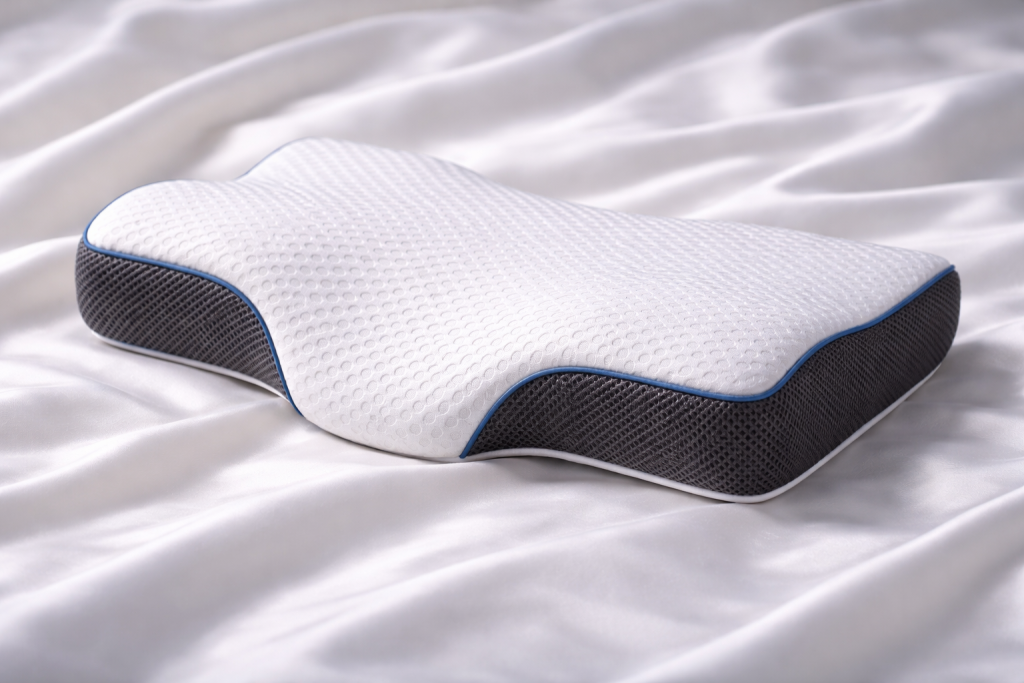
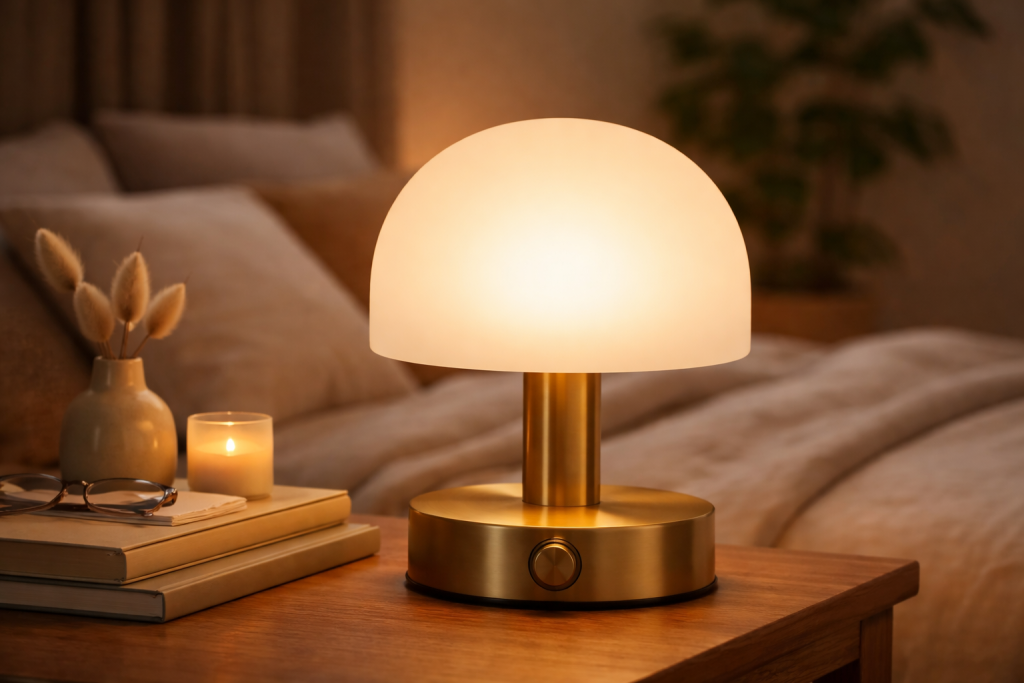
3. Treat sleep as a therapy


4. Limit caffeine and evening screens
They are gasoline on the fire of stress.
5. Talk to someone you trust
Social support is one of the most powerful natural stress relievers.
A simple routine to start getting out of stress
You don't need to change your whole life in one day.
It serves to create small safety signals for the body.
Here is a concrete basis:
Morning
- Avoid the phone in the first 20 minutes
- Expose yourself to natural light
- Light movement (even just walking)
During the day
- Take real breaks (no screen)
- Reduce multitasking
- Eat slowly, not in a hurry
Evening
- Reduce bright lights and screens
- Avoid caffeine after mid-afternoon
- Create a repetitive ritual (shower, herbal tea, reading)
👉 The brain loves predictability.
Predictability reduces stress.
The most important message
Chronic stress does not mean you are weak.
It means you have gone too long without recovery.
Your body is not the enemy.
He is the messenger.
You don't have to go to the limit to stop
Many people are waiting for the breaking point.
When the body gives out.
When the mind goes blank.
When there is no energy left for anything.
But it doesn't have to be that way.
You can stop earlier.
You can listen for signals while they are still small.
You can change pace before you collapse.
Chronic stress is not a failure.
It is a message.
👉 He is not telling you that you are not strong enough.
👉 He is telling you that you need to catch up.
And getting started does not require a revolution.
It requires a choice.

FAQ - Frequently Asked Questions About Chronic Stress
Can chronic stress be bad for the heart?
Yes. When stress continues over time, the body remains in a constant state of alert. This can lead to increased blood pressure, heart rate, and inflammation, factors that can impact cardiovascular health in the long term. Therefore, it's important not to underestimate persistent symptoms and to adopt strategies to reduce stress.
Can chronic stress cause anxiety or depression?
Chronic stress doesn't automatically cause anxiety or depression, but it can increase the risk of developing these disorders, especially if it persists for months and is left untreated. If, in addition to fatigue, you experience persistent sadness, loss of interest, or severe anxiety, it's advisable to talk to a professional.
How long does it take to recover from chronic stress?
There's no one-size-fits-all solution. Some people notice improvements after a few weeks of rest and lifestyle changes, while others may need more time and professional support. The important thing is to intervene as soon as possible, without waiting for symptoms to worsen.
Does chronic stress go away on its own?
In some cases, symptoms may improve when the source of the stress is eliminated. However, if the situation has persisted for weeks or months, it is unlikely to resolve without changing the habits, lifestyle, or conditions that fuel it.
Can I continue working if I suffer from chronic stress?
It depends on the severity of your symptoms. If you can still perform your normal activities, it may be helpful to reduce your workload, take regular breaks, and dedicate time to recovery. If stress affects your sleep, concentration, or daily life, it's a good idea to consult your doctor or psychologist.
When is it time to see a doctor?
It's advisable to seek medical evaluation if symptoms persist for several weeks, worsen over time, or interfere with work, sleep, or personal relationships. Seek medical attention immediately if you experience chest pain, difficulty breathing, thoughts of self-harm, or other serious symptoms, as they may be due to conditions that require immediate treatment.
Conclusion
Chronic stress doesn't appear suddenly, and in most cases, it doesn't go away on its own. It develops slowly, through small signs that we often tend to ignore: persistent fatigue, poor sleep, difficulty concentrating, irritability, or the feeling of constantly living under pressure.
Recognizing these signs is the first step to breaking a vicious cycle that, over time, can compromise physical and mental well-being.
You don't have to change your entire life in one day. Even small gestures, like allowing yourself time to recover, improving your sleep, reducing sources of stress, and asking for help when needed, can make a big difference.
Listening to your body isn't a sign of weakness, but of awareness. The sooner you intervene, the greater your chances of regaining balance, energy, and quality of life.
In summary
✔ Chronic stress is a sign, not a weakness.
✔ Recognizing symptoms early allows you to intervene before the situation worsens.
✔ Sleep, recovery, physical activity and stress management are the first steps to finding balance.
✔ If symptoms persist, it is important to seek professional advice.
 Italian
  English