
Reading time: 7 minutes
Immediate response
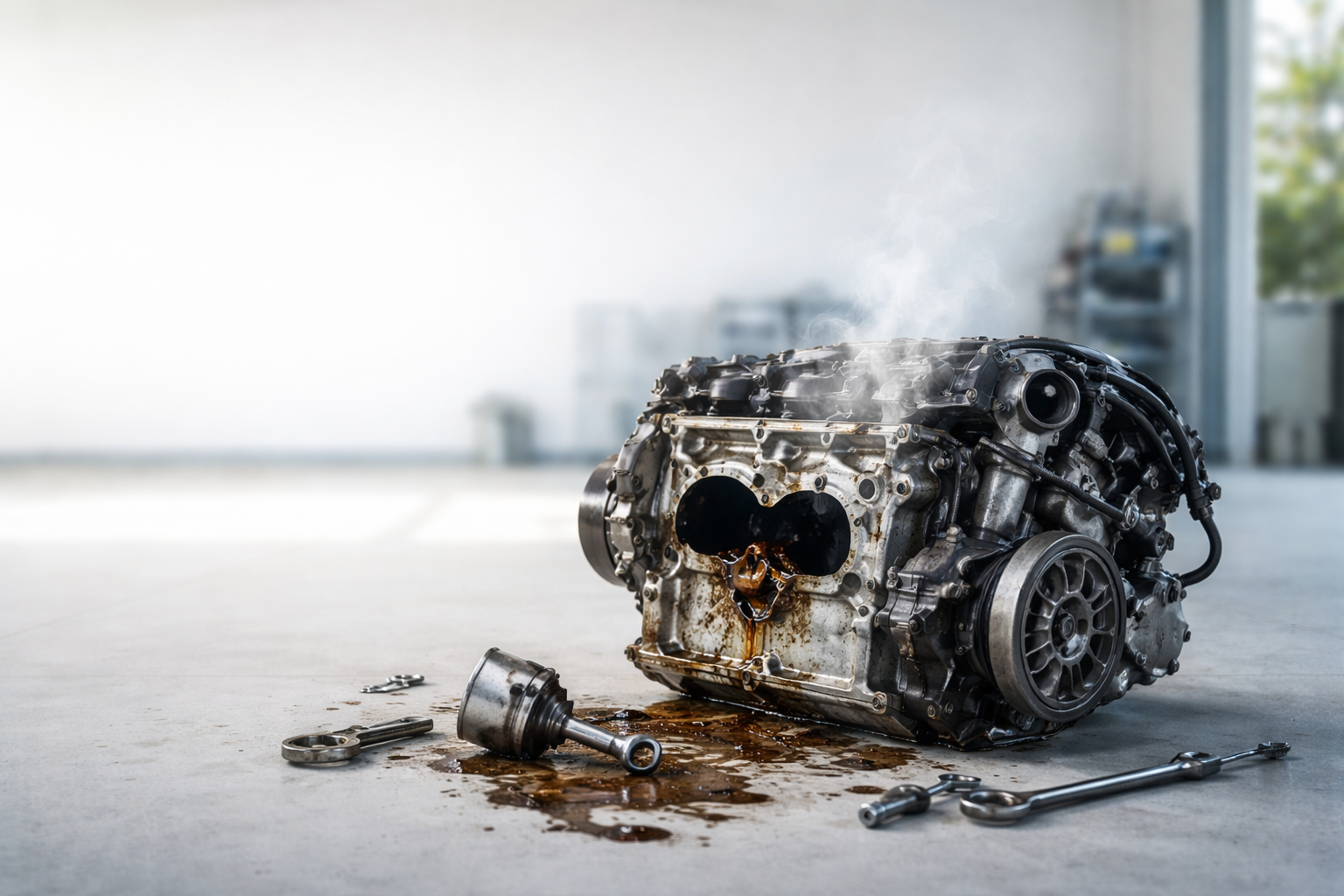
The errors that ruin the engine It is easier to neglect oil and fluids, accelerate hard when cold, ignore overheating and warning lights, put off maintenance and not respect the timing belt intervals.
They don't always cause immediate failure. The problem is that, if repeated over time, they can increase wear and tear or turn a small anomaly into a very expensive repair.
What you will learn:
- What are the 17 mistakes to avoid.
- Because oil and temperature are crucial.
- How to properly treat a cold or turbocharged engine.
- What signs should you not ignore?.
- How to reduce the risk of costly failures.
Index
What errors ruin the engine the fastest?
An engine is rarely damaged by a single occasional bad habit.
The risk increases when small errors are made repeated for months or years or when you continue driving despite an obvious anomaly.
Among those to pay most attention to are:
- insufficient oil or delayed maintenance;
- strong accelerations on a cold engine;
- overheating;
- important spies ignored;
- distribution maintenance postponed.
Let's look at them one by one.
1. Not checking the oil level
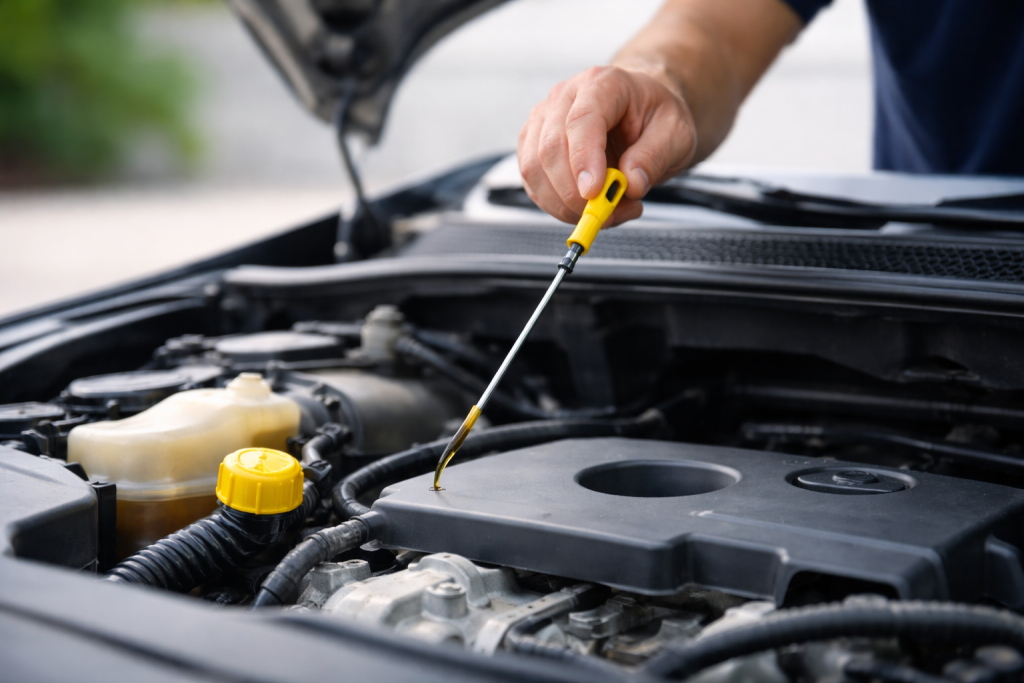
Oil reduces friction and protects many internal engine components.
If the level drops too low, lubrication may become insufficient and the risk of damage quickly increases.
Consumption may vary depending on engine, mileage, conditions of use and any leaks.
What to do
Check the level periodically following the manufacturer's procedure and pay particular attention before long journeys.
If you need to top up frequently, it's a good idea to understand why is oil decreasing, instead of just adding to it.
2. Delaying the oil change beyond the scheduled interval
Oil and filter don't last forever.
With use, lubricant degrades and can become contaminated. Continually postponing replacement can increase deposits and wear.
The solution is not to arbitrarily choose an interval such as 10,000 or 15,000 km.
It is better to respect specifications and maintenance schedule for that engine, also taking into account any indications for heavy use.
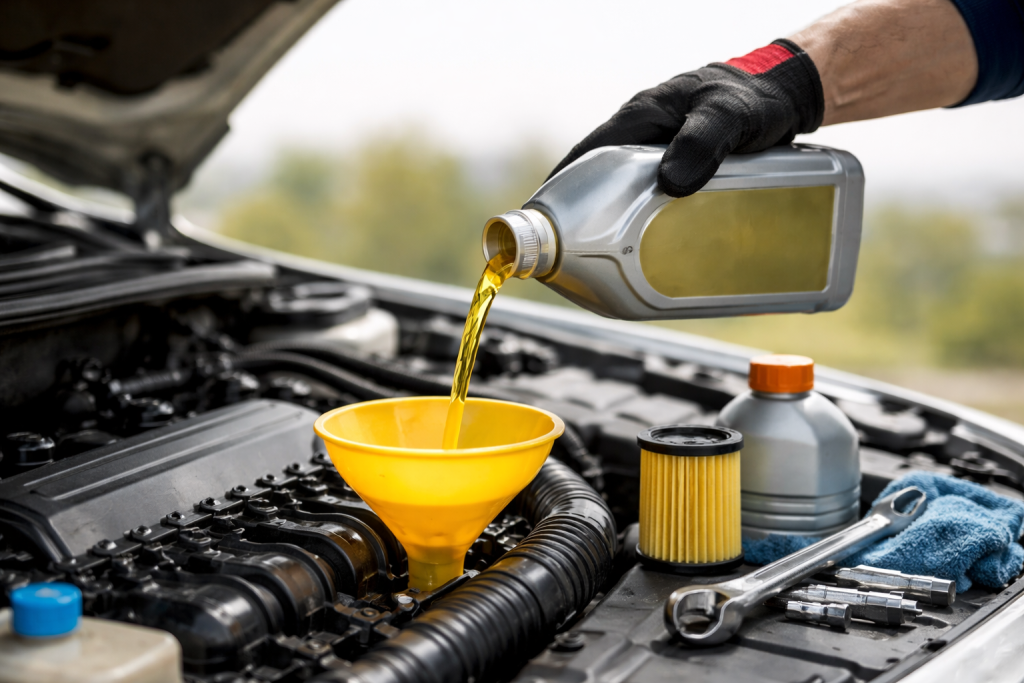
If you buy oil yourself, don't choose based only on the brand or price: check first viscosity and specifications required by your car manufacturer.
HELPFUL TIP
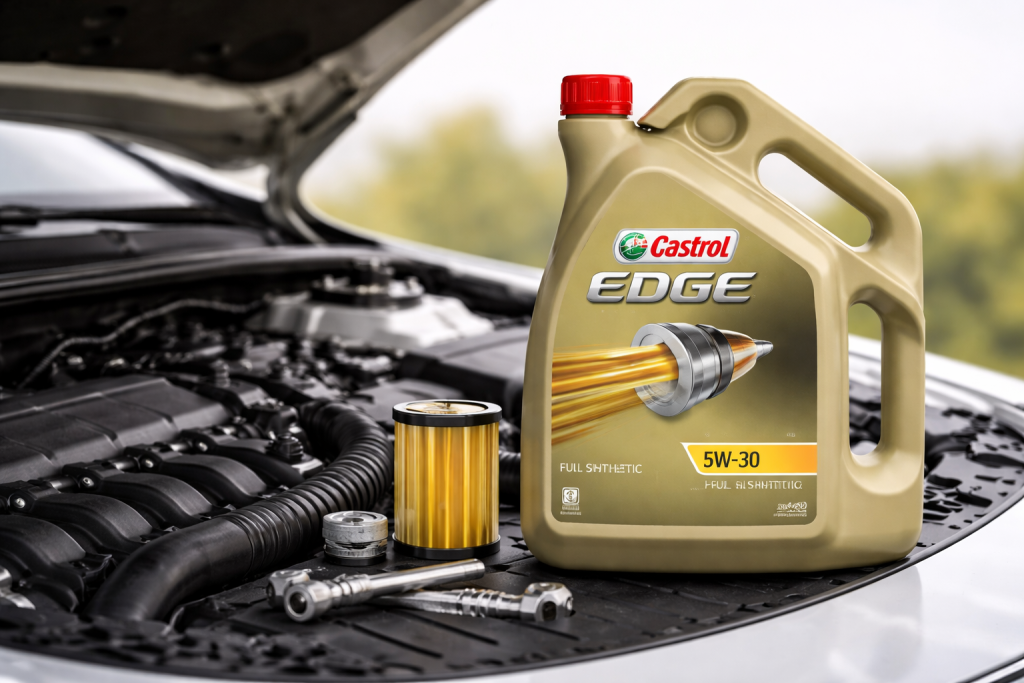
Synthetic engine oil
See on Amazon →
3. Accelerate hard as soon as you start the car
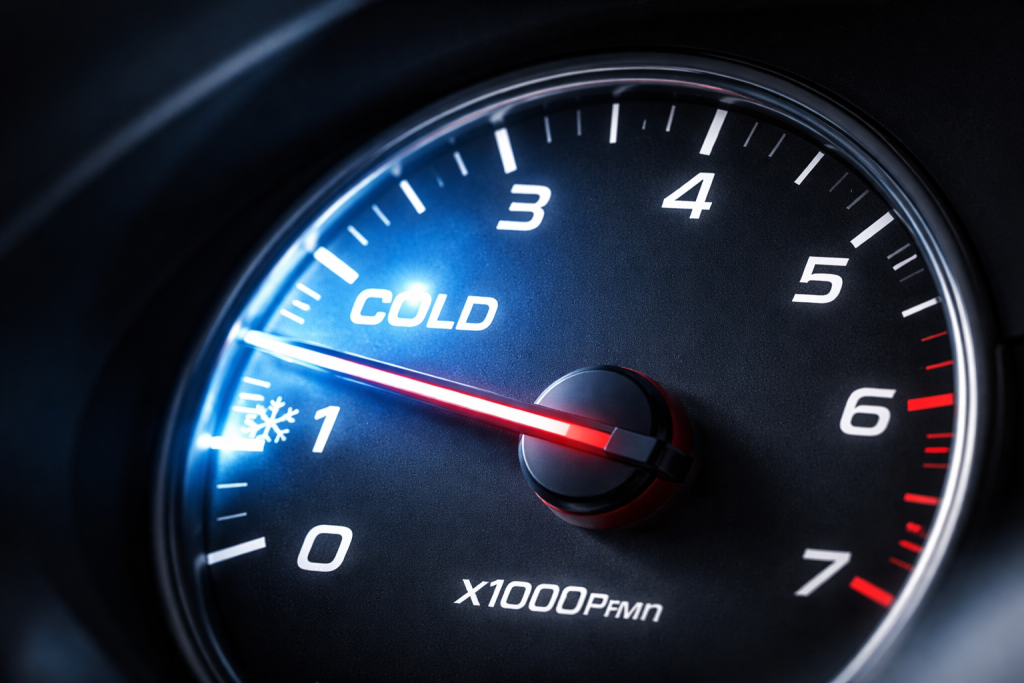
When the engine is cold, the oil and components are not yet in normal operating conditions.
There's no need to let the car idle for many minutes. It's generally best to start normally and drive slowly until the engine warms up.
Above all, avoid:
- strong accelerations;
- very high regimes;
- high power demands immediately after start-up.
It's a small habit that, if repeated every day, reduces unnecessary stress on the engine.
4. Turn off the engine immediately after strenuous driving
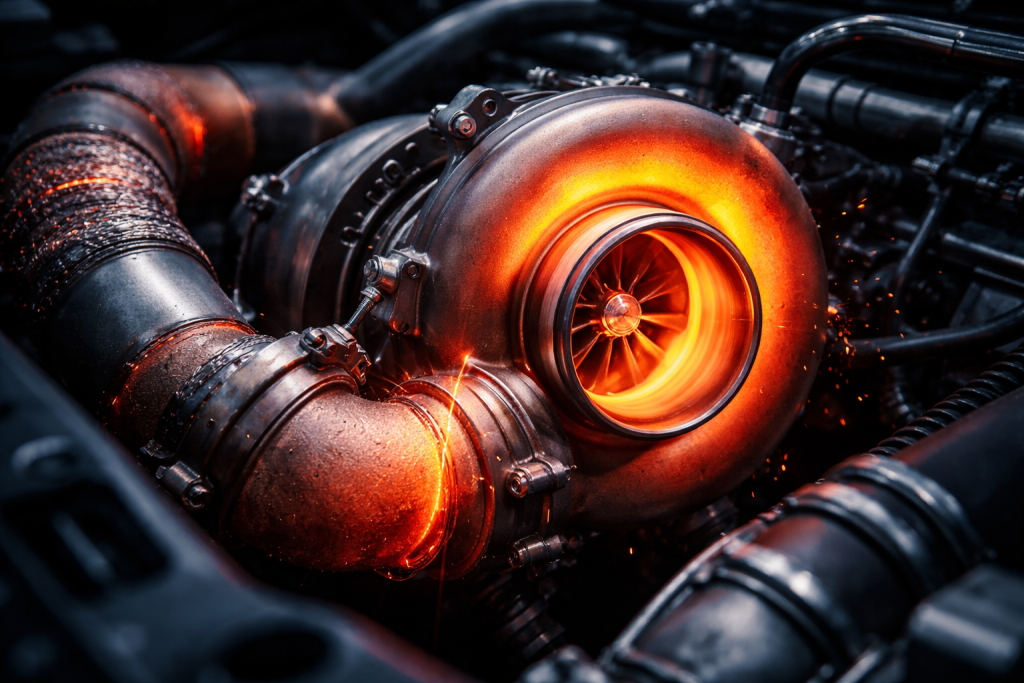
This point especially concerns turbocharged engines after heavy use.
After a long climb, towing, or driving under heavy load, the turbocharger can be very hot. Avoiding immediate engine shutdown may be helpful in certain conditions.
I wouldn't transform the 30–60 seconds present in the old article in a universal rule.
In many modern cars, thermal management is more advanced and, after normal city driving, waiting at idle is not necessarily useful.
5. Ignore new noises or vibrations
A new noise does not automatically mean that the engine is about to break down.
But a noticeable change from usual functioning deserves attention.
For example:
- metallic beats;
- new ticks;
- unusual vibrations;
- loss of power;
- irregular functioning.
The causes can be very different, from relatively simple problems to anomalies that require rapid intervention.
Early diagnosis is better than continuing to drive while waiting for the symptom to worsen.
6. Ignoring coolant and leaks
In addition to the oil, periodically check:
- coolant;
- any leaks under the car;
- abnormal temperature variations;
- other fluids as required by the vehicle.
The coolant should not be checked by opening the circuit when the engine is hot.
If the level continues to decrease, the cause must be sought.
7. Using fuel not suitable for the engine
You don't necessarily need to buy the most expensive fuel.
It is important to use instead fuel compliant with the specifications provided by the manufacturer and replenish supplies normally through reliable channels.
Contamination or fuel supply problems can affect injectors, pump and combustion.
Additives are not a universal cure-all and are not a substitute for a diagnosis when the engine has a problem.
For occasional fuel system cleaning, first check that the additive is compatible with your engine and use it according to the manufacturer's instructions.
HELPFUL TIP
Injector additive
A best-selling fuel additive used to clean injectors, reduce fuel consumption and improve engine efficiency.
See on Amazon →
8. Continuously driving with the tank almost empty
Driving on reserve does not automatically mean sucking up “bottom end sediment”: the fuel system is designed to draw fuel from the bottom of the tank.
However, it is of little use to continually run out of water.
An extremely low level can create problems under certain conditions and, above all, increases the much more concrete risk of run out of fuel.
So: no need to panic, but also no need to always travel at the limit.
9. Neglecting the cooling system
Significant overheating can cause serious damage.
The system includes components such as:
- radiator;
- water pump;
- thermostat;
- fans;
- coolant;
- pipes.
A leak or fault can cause the temperature to rise rapidly.
If the indicator enters an abnormal zone or an overheating warning appears, don't keep driving as if nothing happened.
Temperature warning light on: what it really means and what to do immediately to avoid engine damage
If you need to top up or replace the coolant, don't choose based on color alone: first check the manufacturer's specifications.
HELPFUL TIP

Coolant
Low or stale fluid is among the most common causes of overheating.
See on Amazon →
10. Ignoring important warning signs
Not all warning lights mean “stop immediately,” but some anomalies require close attention.
In particular, notices relating to oil pressure, temperature or braking system They should not be treated as simple reminders.
The correct answer depends on the light, the color, the message displayed, and the car's behavior.
Car warning lights on: what they mean and what to do
If the oil warning light appears, also consult Oil light on: what it means and what to do.
11. Not replacing filters when expected
Oil, air and fuel filters perform different but important functions.
A filter that is very dirty or used beyond its expected interval can compromise the correct functioning of the system it is designed to protect.
Follow the intervals specified for your car and use components with the appropriate specifications.
12. Use the car only for very short journeys

Very short and frequent trips can prevent the engine from reaching operating temperature properly.
This use is particularly problematic for some modern diesel engines, because it can also interfere with the management of the EGR and particulate filter.
If the car is used almost exclusively in the city, maintenance and engine choice must take into account actual use.
However, it is not necessary to "idle revs" only for the engine: when possible, it makes more sense group short trips together.
13. Always drive at too low an engine speed
Driving slowly doesn't necessarily mean treating your engine well.
Asking for a lot of power in a high gear and with the engine running too low can produce vibrations and high loads.
If you press the accelerator and the engine struggles, vibrates or responds poorly, it is often better downshift instead of insisting.
The goal is not to drive at high revs, but to use the engine within its normal operating range.
14. Postpone scheduled maintenance
Checks and inspections also help identify problems before they lead to more serious consequences.
Oil, filters, belts, fluids and other components have intervals that vary from car to car.
For this reason I would avoid universal rules.
The main reference remains the maintenance schedule planned for that vehicle.
15. Neglecting the timing belt or chain
An out-of-phase or failing valve train can cause very serious damage to many engines.
Belt
When a periodic replacement is planned, it is important to respect mileage and/or time indicated by the manufacturer.
Chain
It doesn't automatically mean “eternal.”.
It may be subject to wear and tear and, depending on the engine, any noises or anomalies may require checking.
Proper maintenance always depends on the specific engine.
16. Continue driving while ignoring emergency mode
When the control unit detects certain anomalies, it can limit power or performance to protect certain systems.
The so-called emergency mode does not identify the fault by itself.
It can have many causes.
If it appears, especially together with a warning light or abnormal behavior, a diagnosis instead of continuing to use the car normally for days or weeks.
17. Postponing a diagnosis when something changes
A small problem does not necessarily become a major failure.
But waiting for it to get worse rarely helps.
Have your car checked when persistent changes appear such as:
- loss of power;
- suddenly increased oil consumption;
- abnormal temperature;
- unusual smoke;
- new vibrations;
- starting difficulties;
- losses;
- persistent spies.
To check levels and perform simple checks, it can be helpful to keep some basic tools in your car or garage. Diagnosis and repairs, however, require the right equipment and expertise.
HELPFUL TIP
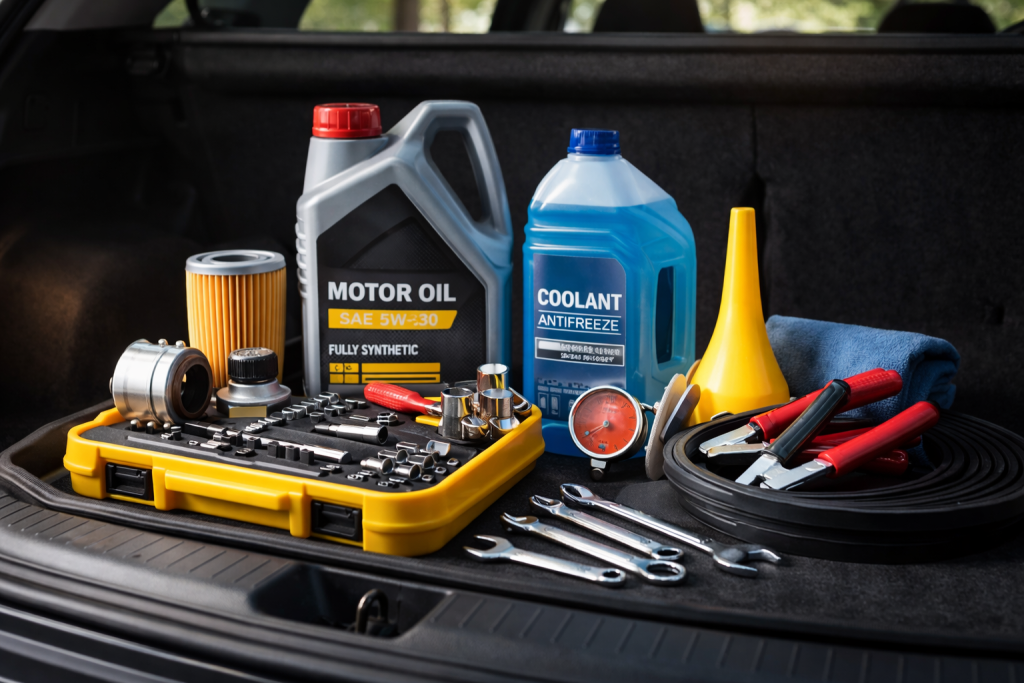
Car maintenance kit
With a few tools you can check levels and prevent problems without going to the shop.
See on Amazon →
What signs should you not ignore?
Not all failures give obvious warning. When a noticeable change does appear, it's worth investigating further.
Pay particular attention to:
- sudden loss of power;
- abnormal smoke;
- burning smell;
- new vibrations;
- starting difficulties;
- unusual increase in oil consumption;
- abnormal temperature;
- persistent spies.
The point is not to be alarmed by every noise: it is Know the normal behavior of your car and notice when it changes.
Petrol and diesel: do errors change?
Partly yes.
Petrol engine
A modern petrol engine can suffer from improper maintenance, incorrect oil, overheating and heavy use just like a diesel.
In turbo petrol engines, lubrication and correct temperature management are particularly important.
Diesel engine
On modern diesels, almost exclusively urban use and very short journeys can create greater difficulties for the anti-pollution systems, especially DPF and EGR.
However, there's no simple rule: "city = gasoline, highway = diesel." The choice depends on mileage, model, technology, and actual use.
In summary
To avoid mistakes that ruin the engine:
- check oil and coolant periodically;
- respect the scheduled maintenance;
- do not stress the engine when cold;
- pay attention to the temperature;
- don't ignore telltale signs and obvious changes;
- use suitable oil, fuel and spare parts;
- respect the maintenance of the distribution;
- Get abnormalities diagnosed before they get worse.
There is no need to treat your car like a fragile object. We must avoid turning small oversights into habits.

FAQ - Frequently Asked Questions
What are the worst engine failures?
Insufficient oil, overheating, neglected timing belt maintenance, and continuing to drive despite major malfunctions can cause serious damage.
Does cold acceleration ruin the engine?
Rapid acceleration when the engine and lubricant are still cold unnecessarily increases stress. It's best to start normally and drive slowly for the first few minutes.
How often should the oil be changed?
There's no one-size-fits-all interval for all cars. It's important to follow the manufacturer's specifications and intervals for that engine, and consider any severe operating conditions.
Do short trips ruin the engine?
This doesn't mean that a short trip causes harm. However, using the vehicle almost exclusively for very short trips can be more taxing and, on some diesel engines, even create difficulties in managing the anti-pollution systems.
Does a check engine light mean I need to stop?
Not necessarily. The answer depends on the warning light, its color, any messages, and the car's behavior. However, some warnings require you to stop as soon as it is safe to do so.
Conclusion
An engine can travel many kilometers without requiring obsessive attention.
The difference is made above all by correct maintenance, suitable oil, temperatures under control and timely interventions when a real anomaly appears.
Many of the mistakes described in this guide are easy to avoid. And it's precisely this consistency, more than any miracle product, that helps keep your engine reliable over time.
👉 If you want to avoid costly mistakes, save this article or check these points periodically.
It only takes a few minutes to make a difference.

 Italian
  English