

📖 Reading time: 6 minutes
What you will learn:
In this guide, you'll discover why skin becomes dry, how to distinguish dry from dehydrated skin, which ingredients really help nourish it, and how to create an effective daily routine to reduce the feeling of tightness and improve comfort and radiance.
This guide is useful if:
✔ Skin feels tight after cleansing
✔ You have chapped or red areas
✔ The skin appears dull and inelastic
✔ You don't know which products to choose
✔ Are you looking for a simple but effective routine?
Dry skin is a very common condition that is often underestimated.
It pulls, flushes easily, looks dull and sometimes even tends to crack.
Unlike oily skin, which produces too much sebum, dry skin produces too little, which makes it more fragile and sensitive to external agents.
The good news?
With a simple and consistent routine you can nourish your skin and regain comfort and radiance.
In this guide you will find out:
why the skin becomes dry
How to recognize dry vs dehydrated skin
really useful natural remedies
a complete daily skincare
Immediate response
Dry skin is caused by reduced sebum production and a weakened skin barrier. To improve it, it's important to use gentle cleansers, hydrating serums, nourishing creams, and daily sunscreen. Avoiding excessively hot water and harsh products helps reduce dryness, redness, and chapping.
| Problem | What to do |
|---|---|
| Tight skin | Nourishing cream morning and evening |
| Cracks | Products with ceramides and shea butter |
| Redness | Soothing ingredients such as aloe and panthenol |
| Dull skin | Hyaluronic acid serum |
| Dryness in winter | Humidifier and skin barrier protection |
Why skin becomes dry: the most common causes
Dry skin arises from a lack of lipids (good fats) and a weakened skin barrier.
The most common causes are:
genetic predisposition
cold or windy weather
showers too hot
aggressive detergents
age (with time, the skin produces less sebum)
stress and poor hydration
Wrong or too “degreasing” cosmetics”
Important: dry skin is not just “tight skin,” it is skin that needs protection.
One shealthy lifestyle tile can contribute to the overall well-being of the skin.
How to recognize truly dry skin
Dry skin often has easily recognizable symptoms:
- feeling of skin pulling
- flaking
- frequent redness
- cracks
- greater sensitivity to climate change
In more severe cases, itching or a constant feeling of discomfort may also appear, especially after cleansing.

Difference between dry skin and dehydrated skin
Many people confuse them, but they are different:
Dry skin = missing sebum (constant condition)
Dehydrated skin = lacks water (can also happen to oily skin)
Dehydrated skin may appear dry but be shiny in some areas.
Does dry skin get worse in winter?
Yes. Cold, wind, home heating, and temperature changes can further weaken the skin barrier.
For this reason, during the cold months it is often necessary to use more nourishing creams and protect the face more from the elements.
Daily skincare for dry skin: the essential steps
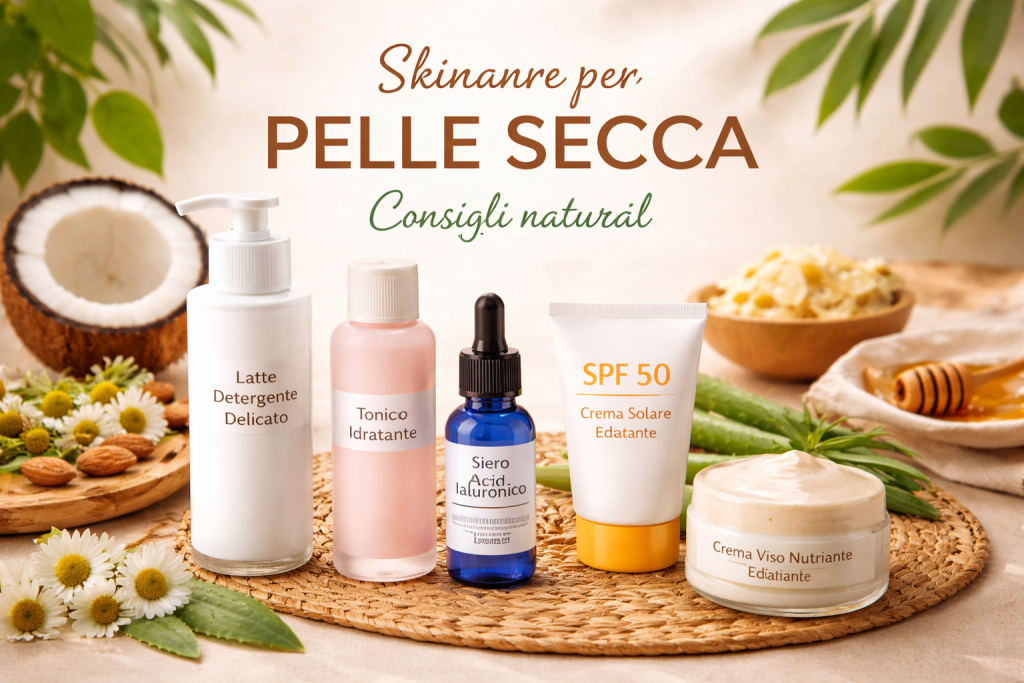
1. Gentle cleansing (never harsh foaming agents)
Skin with dryness problems should be cleaned without “stripping” it.
Choose a cleansing milk or creamy gel with soothing ingredients.
Ideal: cleanser with oats, ceramides or honey.

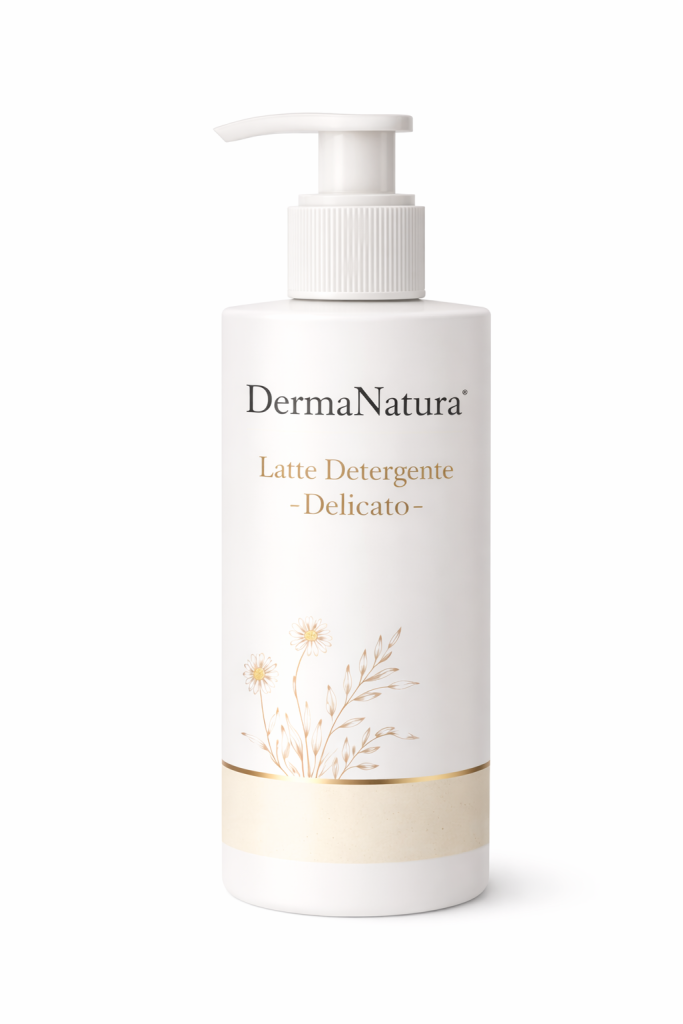
Ultra gentle facial cleanser for dry skin
It cleanses without drying and leaves the skin soft.
2. Moisturizing and soothing tonic
A good toner can be a real “glass of water” for the skin.
Look for ingredients such as:
hyaluronan
rosewater
panthenol
aloe vera
Also find out how to build a simple and sustainable beauty routine every day.
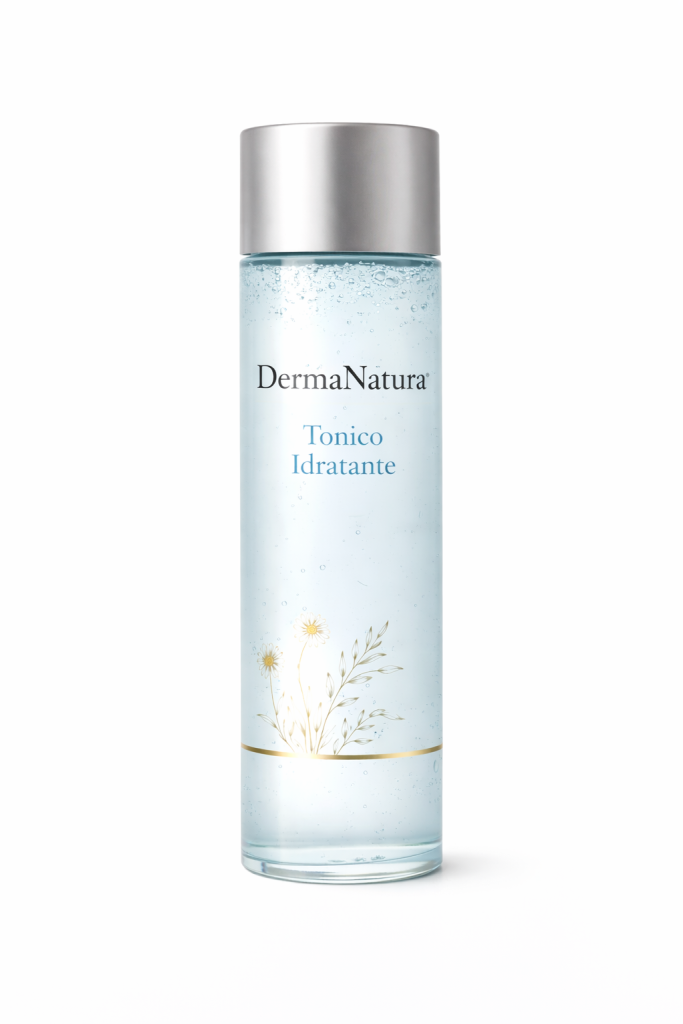
Moisturizing tonic
Moisturizing formula that helps soothe dry skin and improve daily skin comfort.
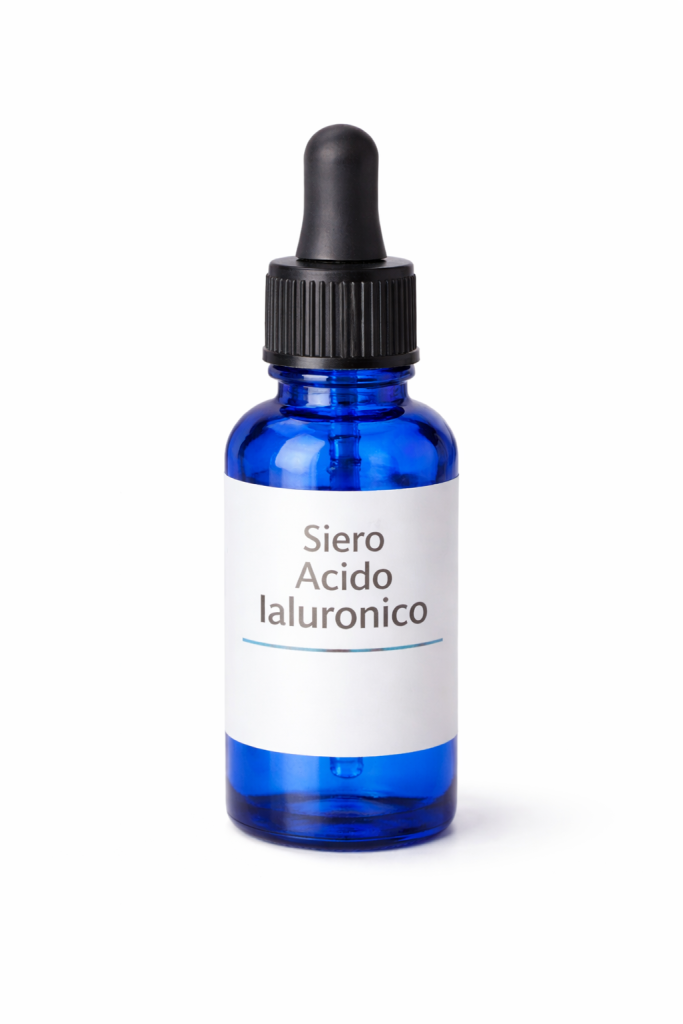
3. Moisturizing serum (the key step).
Serum is essential for retaining water in the skin.
Perfect: hyaluronic acid + vitamin B5.
4. Nourishing and repairing cream
Dry skin needs lipids, not just water.
Choose creams with:
shea
ceramides
jojoba oil
squalane

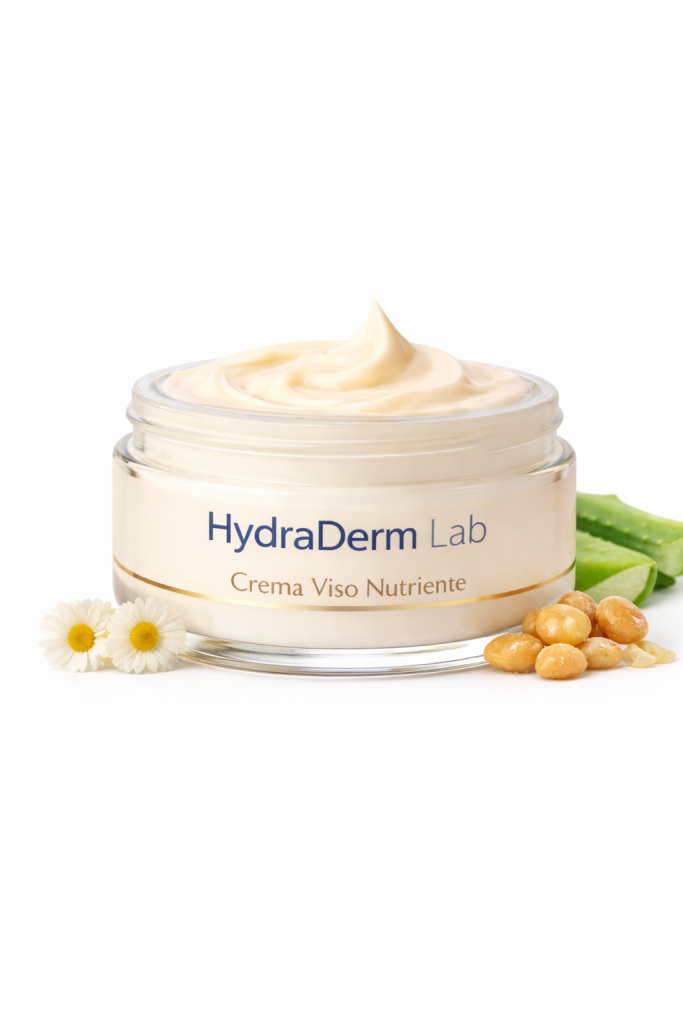
Nourishing face cream for dry and sensitive skin
Repairs the skin barrier and provides instant comfort.
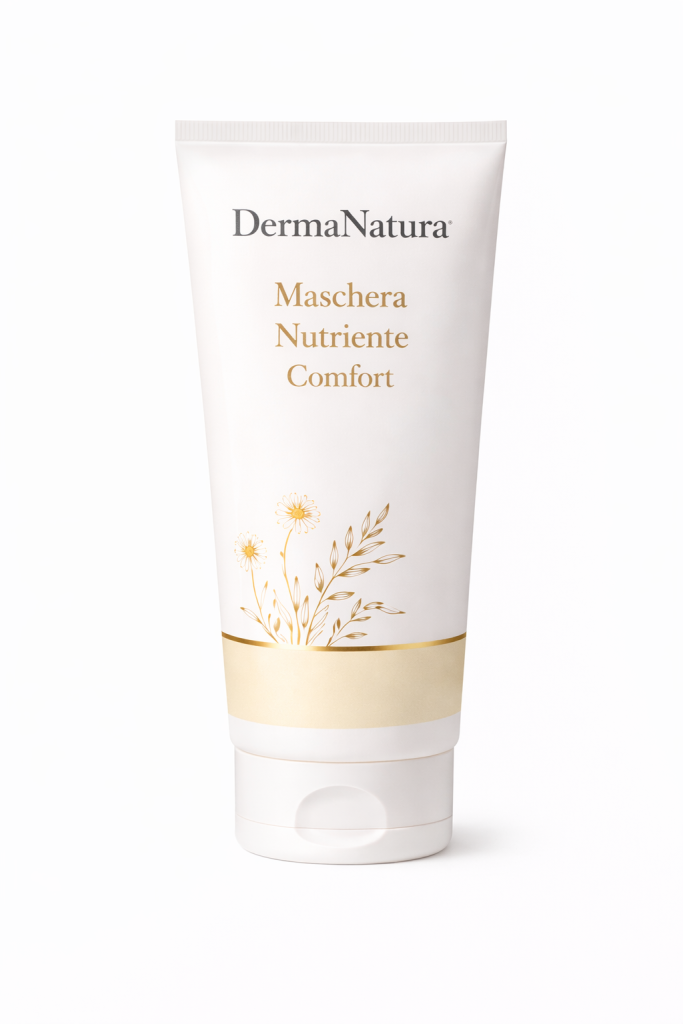
5. Nourishing mask 1-2 times a week
The best masks for skin with dryness problems are not purifying but “rich.”.
Good with:
honey
oats
natural oils
6. Sunscreen every day
Skin with dryness problems must also protect themselves from the sun, because UV rays worsen dryness and wrinkles.
Choose SPF with creamy and moisturizing texture.
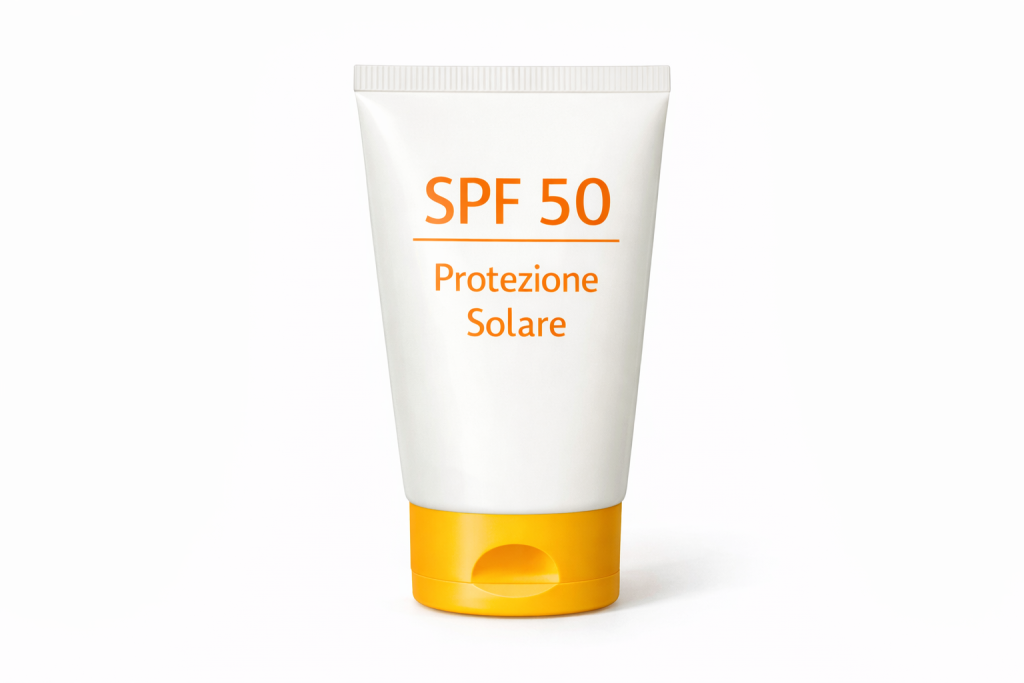
Facial sunscreen for dry skin SPF50
It is non-greasy and protects without occluding pores.
What to do immediately if your skin feels tight and cracked
If your skin is very dry, temporarily reduce scrubs and exfoliants, use a nourishing cream several times a day, and avoid harsh cleansers. Drinking plenty of water and limiting hot showers can also help quickly improve skin comfort.
Find out also how take care of your skin every day with small effective gestures
Extra natural remedies for dry skin
✔ Pure aloe vera to soothe redness
✔ Jojoba or sweet almond oil (2 drops in the evening)
✔ Wraps with cold chamomile tea.
✔ Humidifier in the home in winter.

What ingredients to look for in dry skin products
When choosing a cleanser, serum, or cream, always check the ingredients in the formula.
Among the most useful for dry skin we find:
- hyaluronan
- ceramides
- shea
- squalane
- glycerine
- panthenol
- jojoba oil
These ingredients help retain moisture, strengthen the skin barrier and improve skin comfort.
Mistakes to absolutely avoid
🚫 Washing the face with water that is too hot
🚫 Using aggressive scrubs
🚫 Skipping the cream because it “greases”
🚫 Products with alcohol and strong fragrances
🚫 Exposing yourself to the cold without protection
When to see a dermatologist
It is advisable to consult a specialist if:
- the skin cracks frequently
- persistent irritations appear
- the redness doesn't improve
- itching is common
- dryness interferes with quality of life
A dermatologist can help pinpoint any specific causes and suggest targeted treatments.
Want to improve your beauty routine without complications?
Softer, more radiant skin doesn't require dozens of products, but a consistent routine and ingredients suited to its needs.
How to understand if the products are working
Products for dry skin don't produce immediate results. They generally take a few weeks of consistent use.
Positive signals:
- less feeling of tightness in the skin
- greater softness
- reduction of cracking
- brighter skin
- minor redness

FAQ - Frequently Asked Questions
Can dry skin really get better?
Yes. With the right products and a consistent routine, you can significantly improve the comfort, elasticity, and appearance of your skin.
Should I use oils on my face?
Oils can be helpful, especially in the evening, but they should be chosen based on your skin type and used in moderation.
How often should you apply a nourishing mask?
Generally, 1 or 2 times a week is enough to keep the skin softer and nourished.
Does dry skin age earlier?
Dry skin tends to show fine lines first, but proper hydration can help keep it more elastic and radiant.
Does drinking more water get rid of dry skin?
Drinking water is important for overall health, but it's not enough on its own. Proper skincare is also essential to protect the skin barrier.
Does dry skin get worse in winter?
Yes. Cold temperatures and house heating can increase dryness, redness, and chapping.
Can dry skin cause itching?
Yes. When the skin barrier is weakened, the skin can become more sensitive and itchy, especially during the winter or after using harsh cleansers.
What is the best cream for dry skin?
The best cream contains nourishing and repairing ingredients like ceramides, shea butter, squalane, and glycerin. The choice, however, depends on your specific skin needs.
Conclusion
Dry skin can be annoying, especially when it causes tightness, redness, and cracking. Fortunately, in most cases, skin comfort can be significantly improved with a consistent routine and the right products.
Gentle cleansing, hydrating serums, nourishing creams, and sun protection are the foundation of effective skincare to keep skin softer, more elastic, and radiant.
👉 Start with the essential products recommended in this guide and build a simple routine that will help your skin regain balance and well-being.
 Italian
  English