Opening the oven and finding burnt grease, unpleasant odors, and black cakes is frustrating. Many people use harsh cleaners, thinking they're the only solution, but they often risk irritating fumes, damaged surfaces, and chemical odors in the kitchen.
The good news is that you can clean your oven naturally using baking soda, vinegar, and lemon, achieving excellent results without harsh products.
In this guide, you'll discover the most effective methods for cleaning a caked-on oven, eliminating odors, and keeping it clean longer.
Immediate response
To clean your oven naturally, you can use baking soda and water to dissolve caked-on buildup and grease, or vinegar and lemon with hot steam to eliminate odors and light dirt. The most effective method for a very dirty oven is to let the baking soda sit overnight.
Why clean your oven with natural remedies?
Traditional oven cleaners often contain very strong substances that can:
ruin the internal enamel over time
dry out and damage the seals
leave residues on surfaces in contact with food
release irritating vapors (especially in closed environments)
Natural remedies instead are:
- safer for your health
- ecological
- cheap
- effective if used correctly
What you need to clean your oven without chemicals
For a complete clean, you only need a few common ingredients:
Baking soda
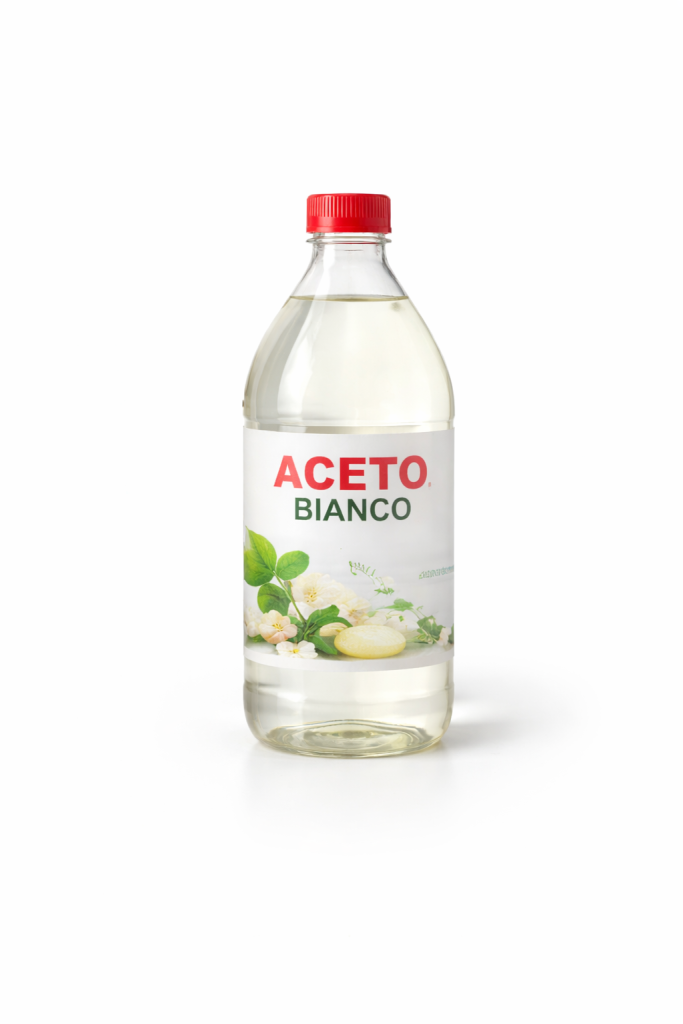
White vinegar
Lemon
Hot water
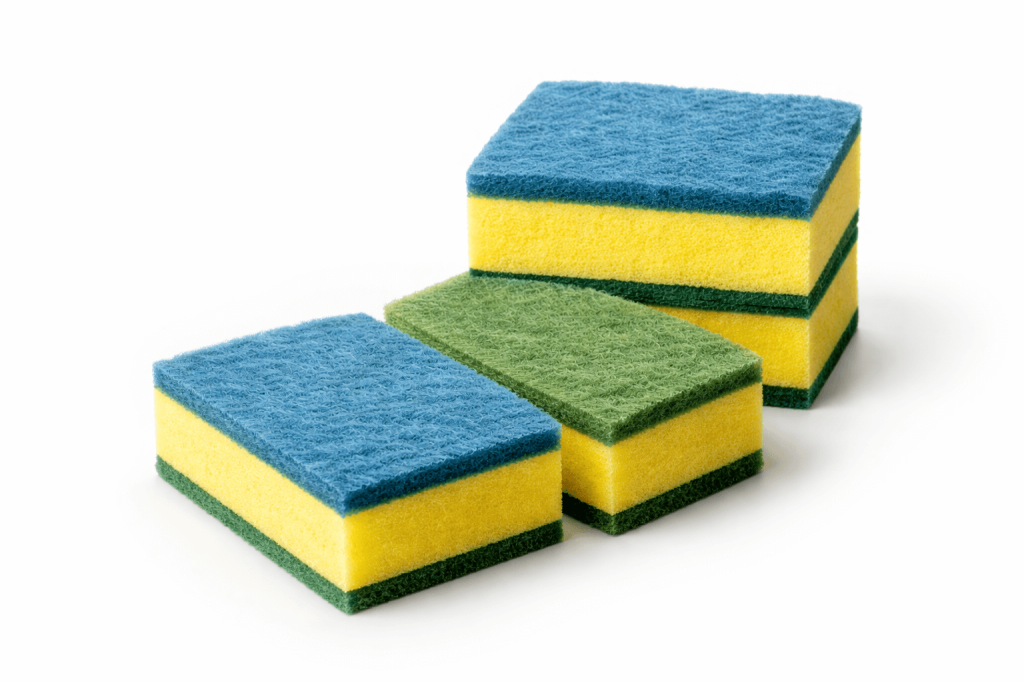
Non-abrasive sponge
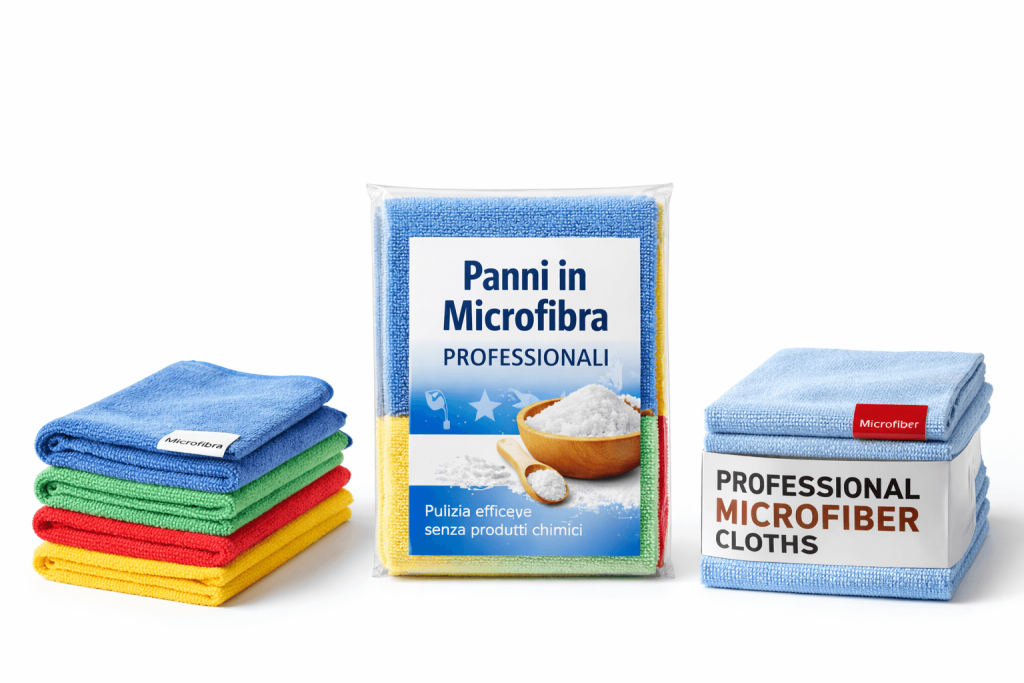
Microfiber cloth
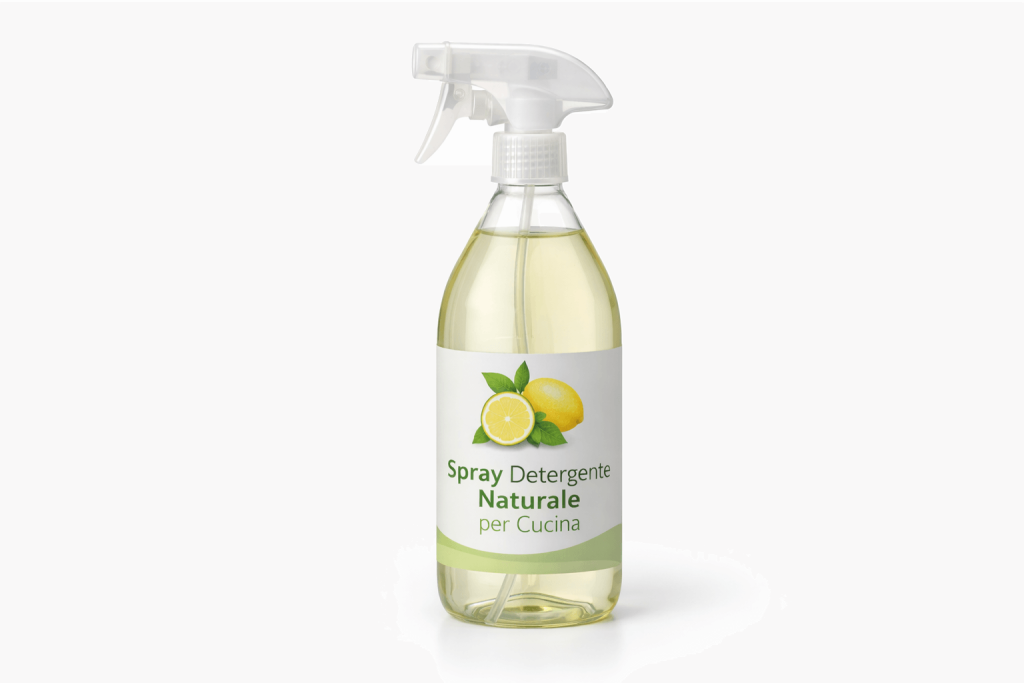
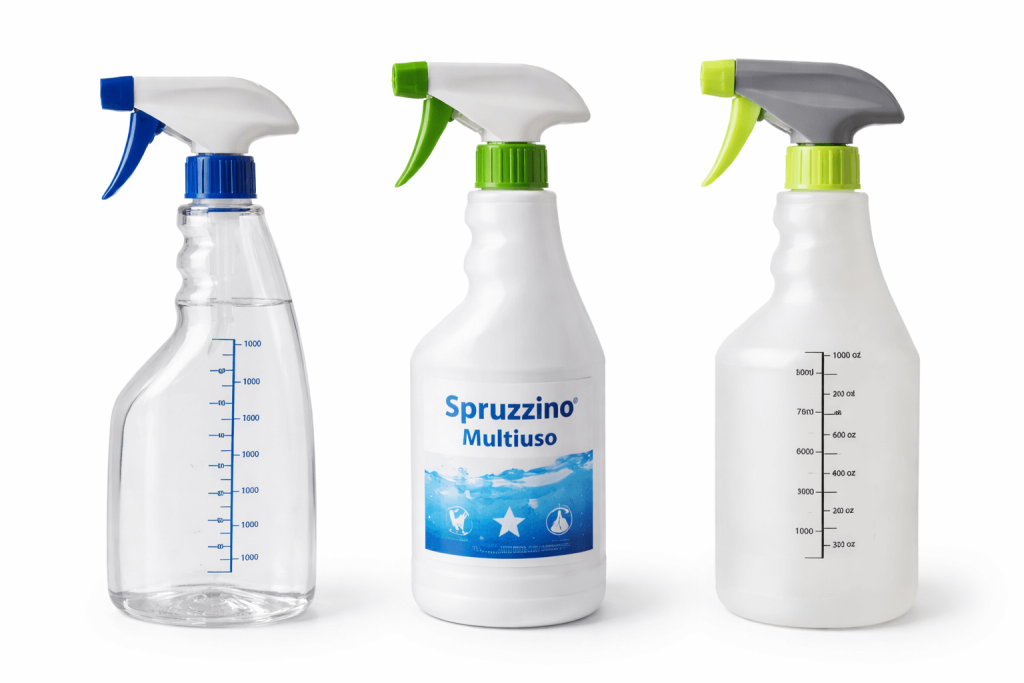
Spray bottle
How to clean a heavily encrusted oven with baking soda
Baking soda is one of the most effective natural remedies for cleaning a caked-on oven, eliminating burnt grease, and dissolving stubborn grime.
Recommended dosage
Procedure
Apply the paste to the inside walls of the cold oven
Let it work 8–12 hours (Preferably overnight). If the oven is very dirty, avoid scrubbing vigorously right away: letting the baking soda sit longer reduces the risk of scratching the enamel and glass.
Remove with a soft sponge and damp cloth
Dry with clean microfiber
Ideal after pizza, roasts and intense cooking.
Practical exampleAfter cooking pizza or lasagna, black residue often forms that's very difficult to remove. Baking soda left overnight helps soften the grime without scratching the oven.
Natural method with vinegar and lemon against odors and grease
Perfect for eliminating odors, dissolving light dirt and degreasing the oven naturally.
How to do it
Place in a pan:
500 ml water
juice of 1 lemon
1 glass of vinegar
Turn on the oven to 160°C for 30 minutes
Turn off, let it cool and wipe with a cloth
Hot steam helps dissolve light grease and residue, while lemon and vinegar eliminate unpleasant odors from the oven.
This method is particularly useful for regular oven maintenance, but may not be enough on its own if there is very old encrustation.
Quick oven cleaning in 5 minutes
For a lightly soiled oven:
50% water
50% vinegar
a few drops of lemon
Spray, wait 5 minutes and dry.
What to do immediately after using the oven
One of the best strategies to avoid encrustations is to intervene immediately after cooking.
When the oven is still warm:
- wipe the surfaces with a damp cloth
- remove fresh grease splashes
- leave the door open for a few minutes
- immediately removes burnt food residue
It only takes 2 minutes to avoid hours of deep cleaning in the future.
How to clean oven glass without scratches
Baking soda paste + water
Apply on glass
Wait 15 minutes
Soft cloth → transparent glass
 Never use metal scouring pads.
How often should the oven be cleaned?
Frequent use → 1 time per month
Normal use → every 2 months
Occasional use → every 3 months
A quick clean after each use prevents grease buildup and makes oven maintenance much easier.
If you often cook roasts, pizza, or fatty foods, a quick clean after each use can dramatically reduce buildup.
When a dirty oven can become a problem
A very dirty oven isn't just unsightly. Burnt-on grease and residue can:
- produce bad odors during cooking
- increase the smoke in the kitchen
- alter the flavor of food
- create small flames in the worst cases
If you notice excessive smoke or a burning smell even after cleaning, there may be grease accumulated near the heating elements.
Why does the oven get dirty so quickly?
Grease, sugar, and cooking splatters slowly build up with each use. The problem is, they often only become visible when unpleasant odors, smoke, or hard-to-remove black stains begin.






 Italian
  English