

Updated May 2026
Reading time: 4 minutes
What you will learn:
In this guide you will find out:
- How to clean your microwave naturally without harsh chemicals
- Which method to choose between lemon, vinegar and baking soda?
- How to eliminate bad odors, grease, and food residue
- How to remove scale without damaging interior surfaces
- How often should you clean your microwave to keep it sanitized and in perfect condition?
- Which accessories can make cleaning easier and faster?
Did you open your microwave and find dried-on splatters, unpleasant odors, or residue that's hard to remove? If you're looking for a natural way to clean your microwave, you've come to the right place.
It happens more often than you think.
Every day, your microwave accumulates grease, steam, and food residue, which, if left untreated, can cause unpleasant odors and make cleaning more difficult.
The good news is that you don't need harsh detergents. With lemon, vinegar, and baking soda, you can achieve excellent results in just a few minutes using natural, affordable, and safe remedies.
Immediate response
To clean your microwave naturally, simply use the steam generated by water and lemon or water and vinegar. The steam dissolves grease and residue, making cleaning quick and easy. For more stubborn stains, you can use a paste of baking soda and water.
| Problem | Recommended method | Time |
|---|---|---|
| Light odor | Lemon | 5 min |
| Strong odor | White vinegar | 5 min |
| Encrustations | Bicarbonate | 10 min |
| Quick cleaning | Steam with lemon | 5 min |
💡 Helpful tip
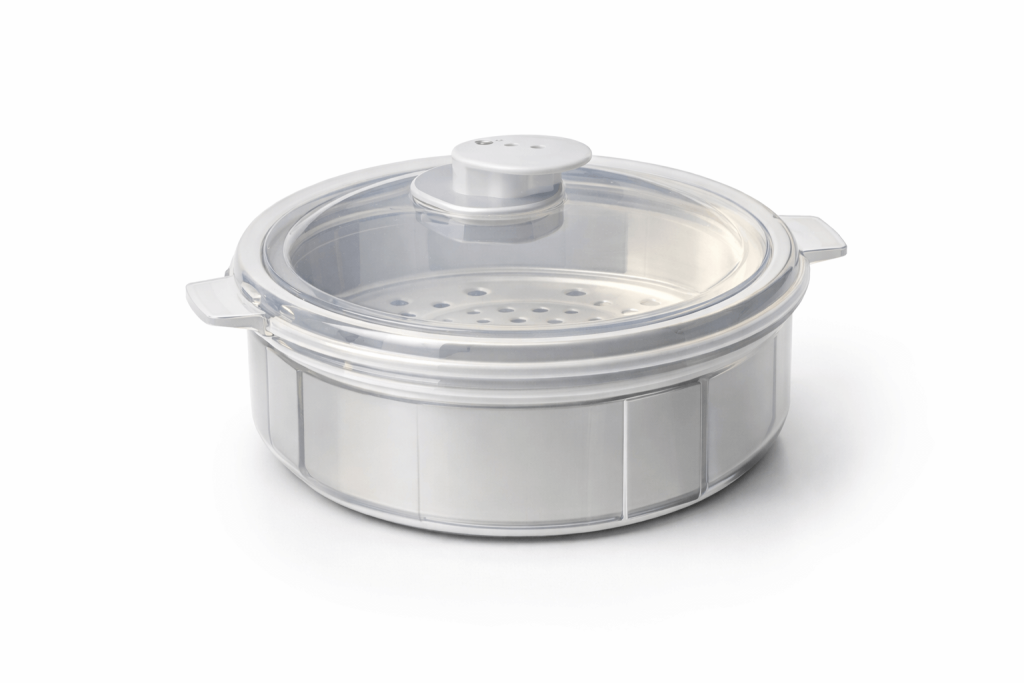
To avoid splashes and stubborn stains, always cover food with a microwave-safe lid while reheating. A few seconds can save much of the cleanup afterward.
Why cleaning your microwave regularly is important
Many people underestimate it, but a dirty microwave can:
retain persistent bad odors
accumulate bacteria and food residues
dirty even the freshly heated dishes
reduce the efficiency of the appliance
Cleaning it regularly also means it lasts longer and cooking in a healthier environment.
Frequent cleaning is also recommended by appliance manufacturers because it prevents the accumulation of residues that can cause unpleasant odors and make heating less efficient.
What to do immediately if the microwave is very dirty
If you notice dried spills or caked-on residue, avoid scrubbing immediately. First, let the steam with water and lemon or water and vinegar act for a few minutes. The dirt will soften and be much easier to remove without scratching the interior surfaces.
How to clean your microwave without chemicals
If you prefer to avoid harsh cleaners, you can clean your microwave using simple natural ingredients like lemon, white vinegar, and baking soda. They're inexpensive, easy to find, and effectively remove dirt and odors.
How to clean your microwave with water and lemon
Lemon is perfect because it degreases, sanitizes and leaves a fresh smell.
How to:
Fill a bowl with water (about half)
Squeeze in half a lemon
Also put the peels in the bowl
Turn on the microwave for 3-5 minutes
Leave the door closed for another 2 minutes
The steam will dissolve all the dirt.
At that point, just wipe it with a soft sponge and the microwave will be as good as new.
Ideal for weekly cleaning and light odors.
In most cases, this method is sufficient for normal weekly maintenance and helps avoid the accumulation of difficult-to-remove dirt.
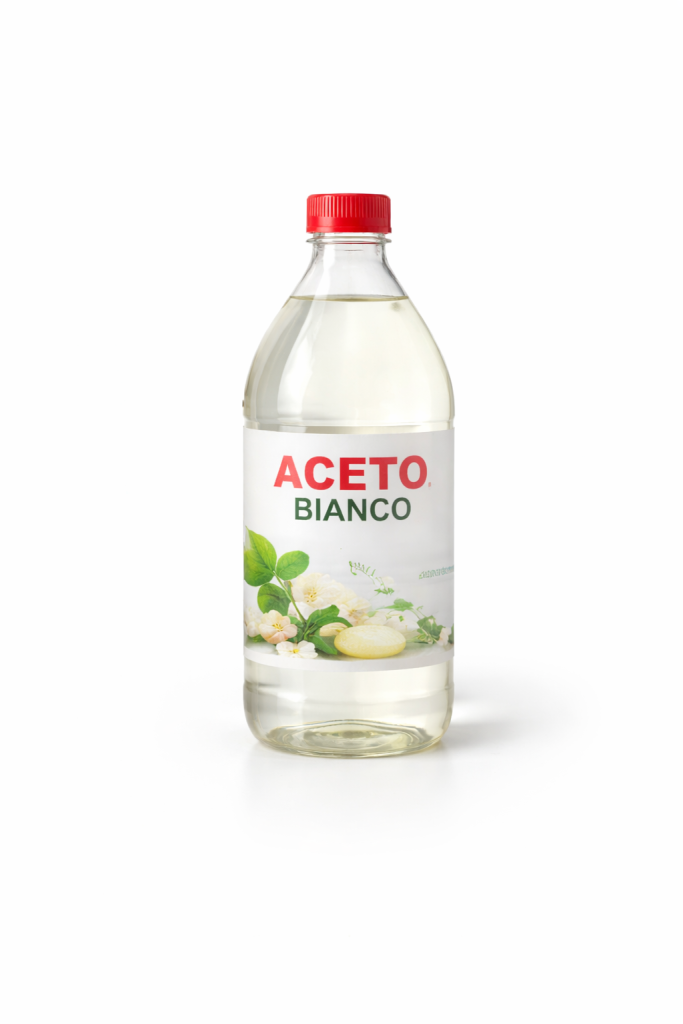
How to remove grease and bad odors with vinegar
If you've reheated fish, sauces, or very spicy foods, vinegar is the most powerful solution.
Procedure:
1 glass of water
2 tablespoons of white vinegar
Microwave for 4 minutes, then let the steam work.
Result: dissolved grease and neutralized odors.
Don't worry about the initial smell: it disappears after a few minutes.
How to remove tough stains and build-up
Baking soda is perfect when there are dried residues or encrustations.
Natural pasta:
2 tablespoons baking soda
little water
Apply to stains, leave to act for 5 minutes and then remove with a damp cloth.
How to clean the turntable
The glass plate is often the dirtiest part.
You can wash it:
by hand with gentle soap
or in the dishwasher
Dry it well before putting it back in.
How to clean the exterior, handle and buttons
Don't forget the handle and buttons: these are the most frequently touched areas.
Use a microfiber cloth with:
warm water
a drop of vinegar or natural soap
Common mistakes to avoid
Many people make some mistakes that can damage the microwave:
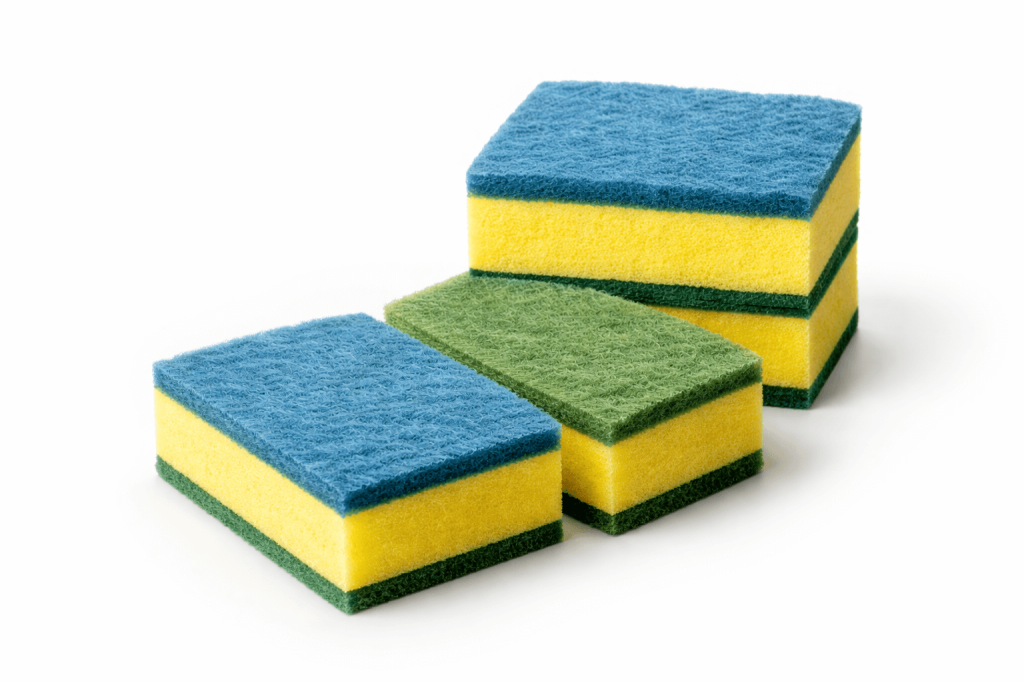
- use abrasive sponges
- use bleach or aggressive products
- leave food residues for weeks
- do not clean the turntable
- spray cleaners directly onto internal components
It is best to always use gentle products and natural methods.
 Recommended products for natural cleaning
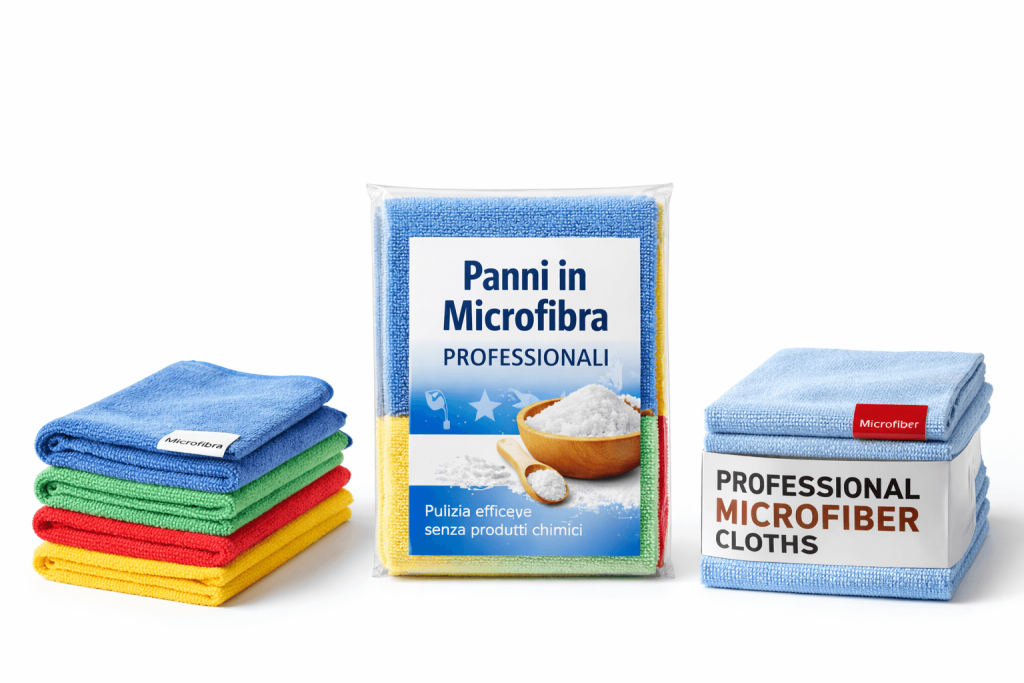
Professional microfiber cloths
Ideal for cleaning the microwave delicately, without leaving streaks.

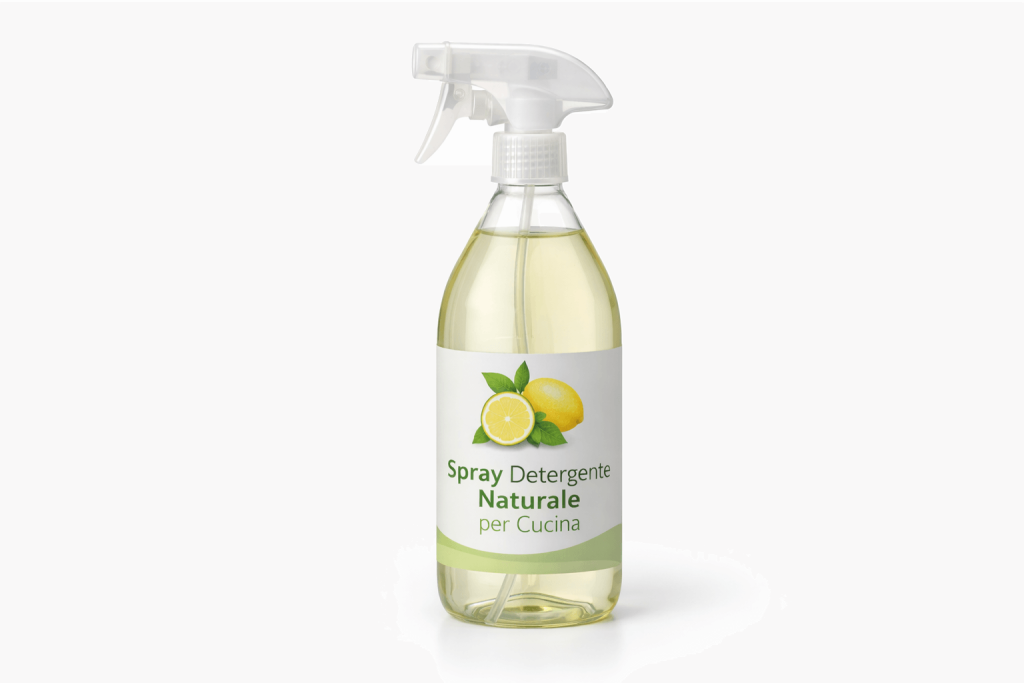
Natural kitchen cleaning spray
Quick and natural cleaning without aggressive substances.

Bicarbonate
Baking soda: ideal for degreasing, deodorizing, and naturally cleaning ovens, microwaves, and kitchen surfaces.
When more in-depth intervention is needed
If unpleasant odors, burnt stains, or residues that persist even after repeated cleaning, it may be necessary to disassemble and thoroughly clean some removable parts or check for hidden residues in the ventilation areas.
How often should you clean your microwave?
To avoid unpleasant odors and dirt buildup, it's advisable to clean your microwave at least once a week. If you use it daily or reheat fatty foods and sauces, a quick clean every few days helps keep it sanitized and easier to clean.

FAQ - Frequently Asked Questions
What's the best way to clean a microwave?
The simplest and most effective method is to heat a bowl of water and lemon for 3-5 minutes. The steam softens grease and residue, allowing you to easily clean the inside with a soft cloth.
How long does it take to clean a microwave?
With the steam method, it takes about 5-10 minutes to soften dirt and clean interior surfaces.
Does lemon really disinfect the microwave?
Lemon helps sanitize and deodorize thanks to its natural acidity, as well as facilitating the removal of grease.
Can I use baking soda in the microwave?
Yes, as long as it is used as a gentle paste and removed with a damp cloth without rubbing vigorously.
How to permanently eliminate bad odors from the microwave?
White vinegar is one of the most effective remedies. Regular cleaning also prevents odors from building up.
How often should you clean your microwave?
At least once a week if used daily.
Conclusion
Cleaning your microwave doesn't require expensive products or harsh detergents. With lemon, vinegar, and baking soda, you can eliminate dirt and odors in just a few minutes using natural remedies you probably already have at home.
If you want to speed up your daily cleaning even more, you can help yourself with the accessories recommended below.
The accessories recommended in this guide can help you clean your microwave faster, reduce streaks, and keep your kitchen tidy with less effort.


 Italian
  English