
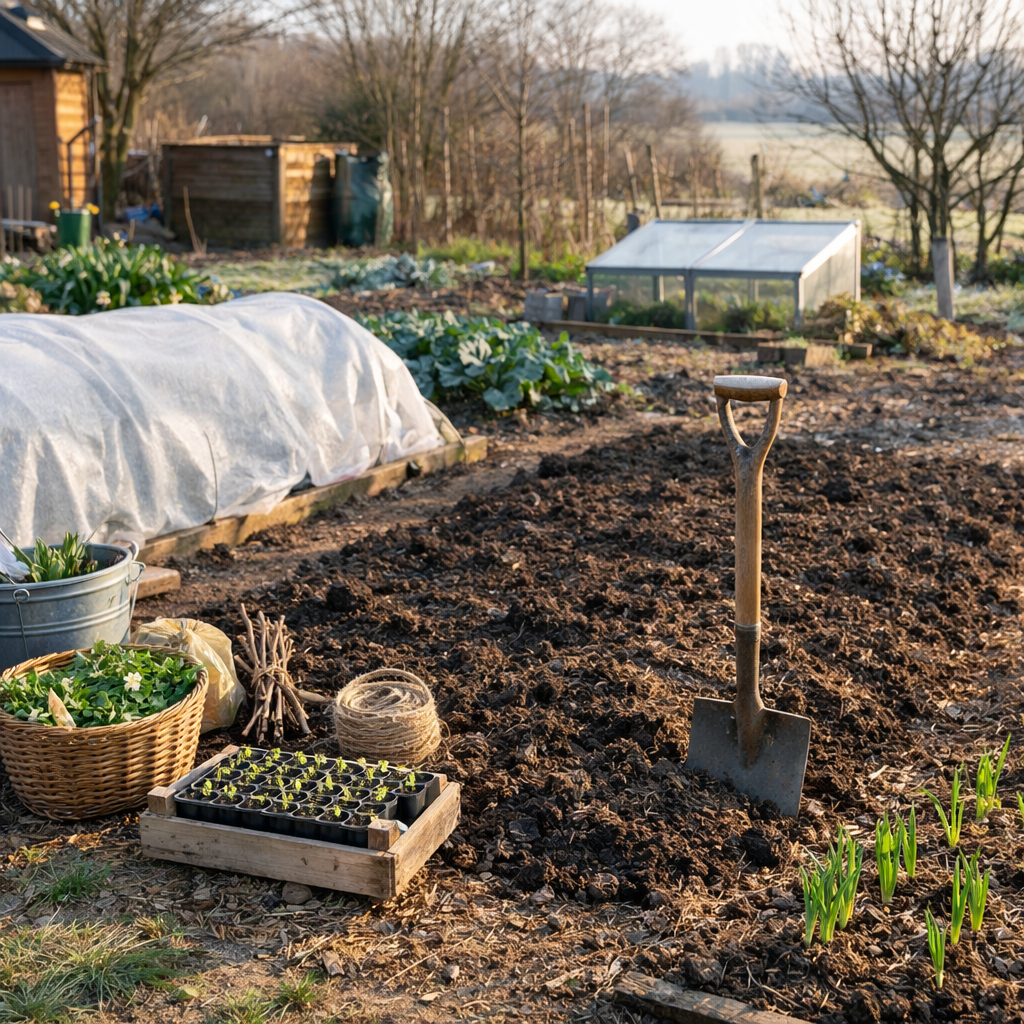
Jobs, sowing, and helpful tips for preparing for spring
February is a special month for those who love greenery.
It's not spring yet, but something is changing: the days are slowly getting longer, the sun is warming a little more, and even though it's still cold, nature is starting to stir.
This is the best time for those who have a vegetable garden or a garden: not much is harvested, but everything is prepared.
And those who work well in February… reap better harvests in the following months.
In this article, we'll look at what to really do during this time, with practical examples and helpful tips, whether you have a large garden or just a few pots on your balcony.
February's work in the garden
In the garden, February is the month of prevention and soil care.
Preparing the ground: the most important job
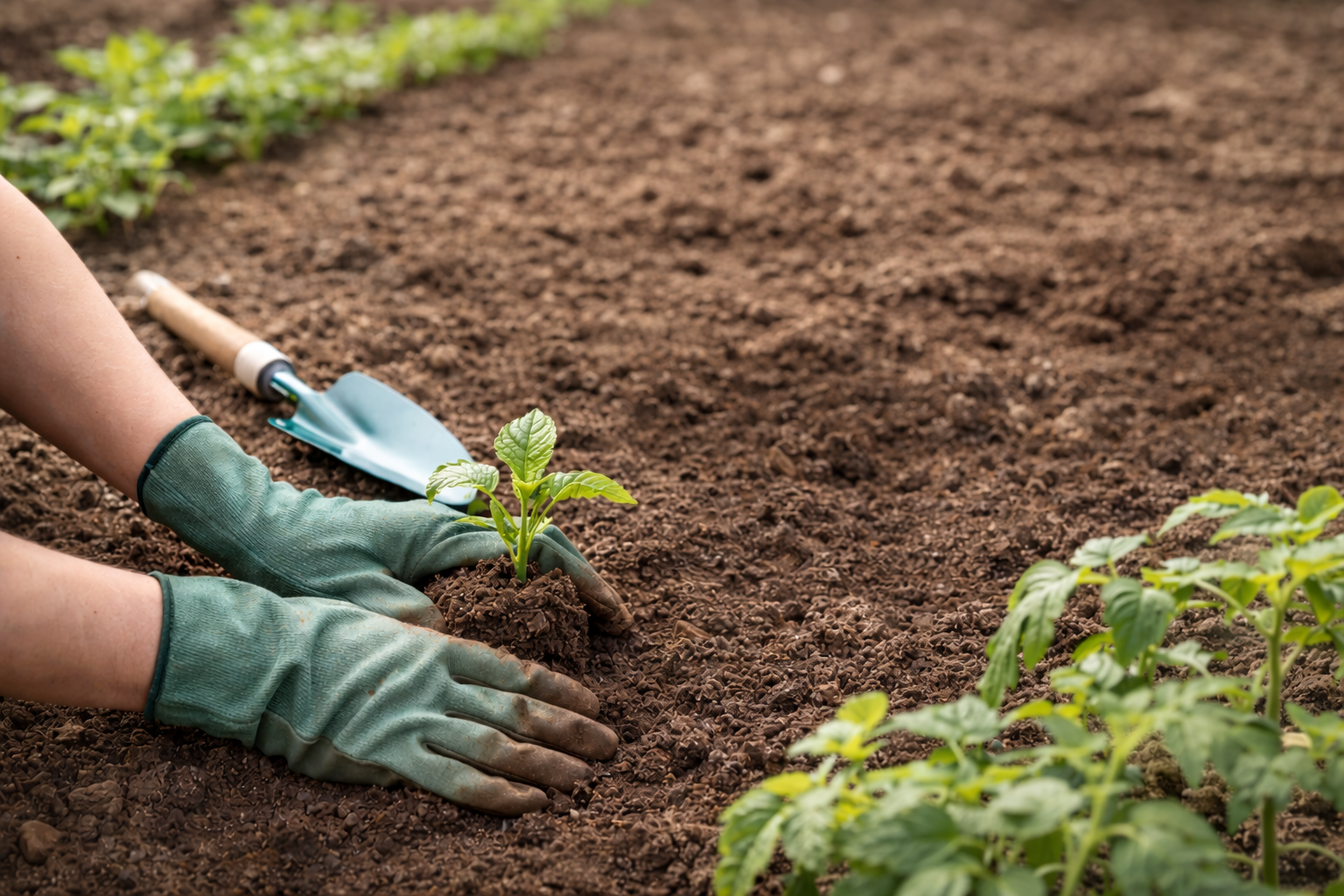
If the soil is not frozen or too wet, you can start working it lightly.
What to do concretely
✔ Aerate with a light digging
✔ Remove dry roots and residues from the previous year
✔ Add compost or mature manure
Real-world example:
If you grew zucchini in the same spot last year, February is the perfect time to incorporate compost and prepare that area for legumes or spring salads.
Natural fertilization: nourish without overdoing it
There is no need to use aggressive chemical fertilizers.
In winter the soil needs slow nourishment.
Excellent solutions:
home compost
pelleted manure
earthworm humus
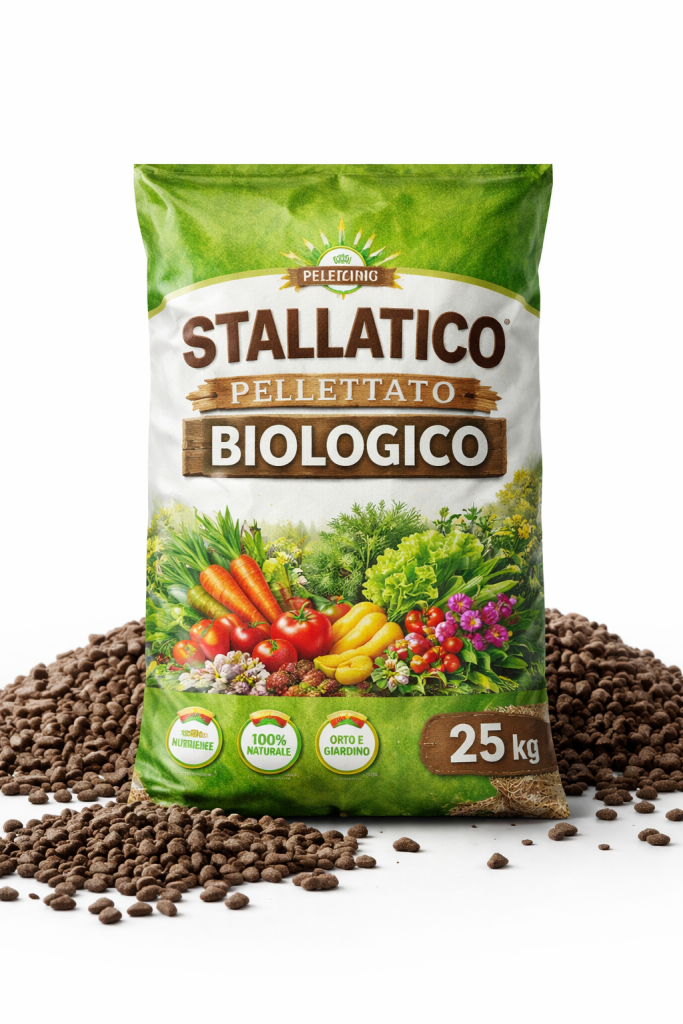
Organic pelleted manure for vegetable gardens and gardens
Excellent for fertilizing in February without burning the roots.
February Sowing: What to Really Plant
Sowing depends a lot on the climate.
In many areas of Italy, February is still cold, so it's a good idea to alternate:
In open fields (mild zones)
lettuce
spinach
radishes
onions
leeks
early carrots
Little trick:
Sow radishes every 10 days, so you have continuous harvests instead of all at once.
In a protected seedbed (highly recommended)
tomatoes
peppers
eggplant
early basil
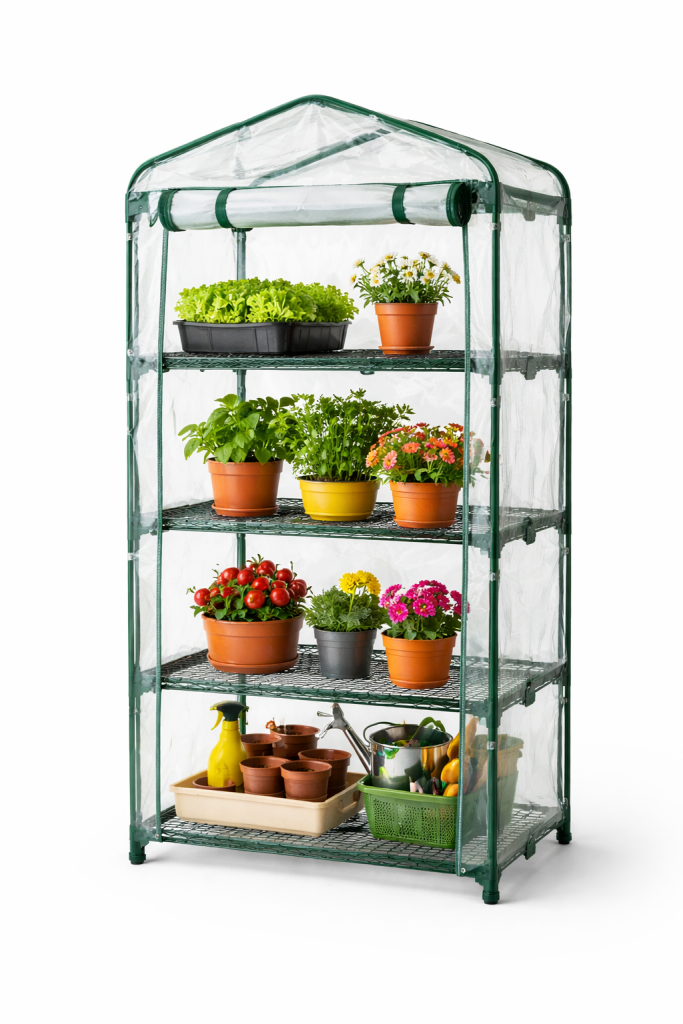
Mini balcony greenhouse with shelves (perfect for February)
Ideal for protecting seeds from the cold.
Cold Protection: Don't Get Surprised
Late frosts are very frequent.
Protect seedlings with:
non-woven fabric
low tunnels
mulching with straw or dry leaves
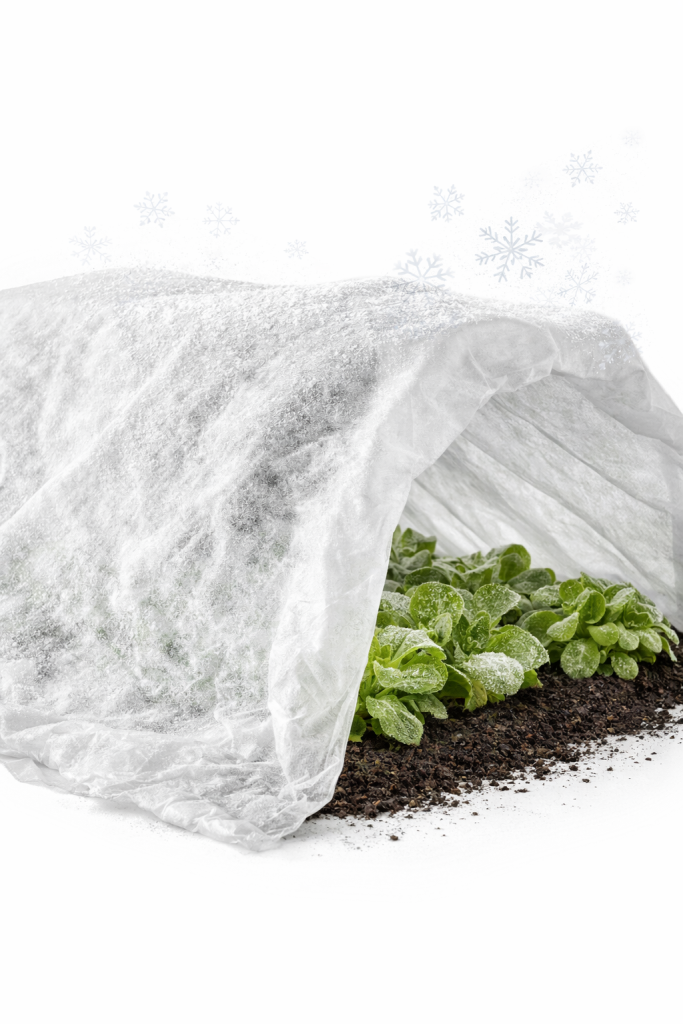
Anti-freeze non-woven fabric for vegetable gardens
An indispensable ally for February.
February in the garden: maintenance and care
In the ornamental garden, February is the month of pruning and cleaning.
Pruning: the right time to intervene
February is perfect for:
fruit trees (apple, pear, plum)
rose
summer-flowering shrubs
Be careful though: avoid pruning if severe frosts are forecast in the following days.
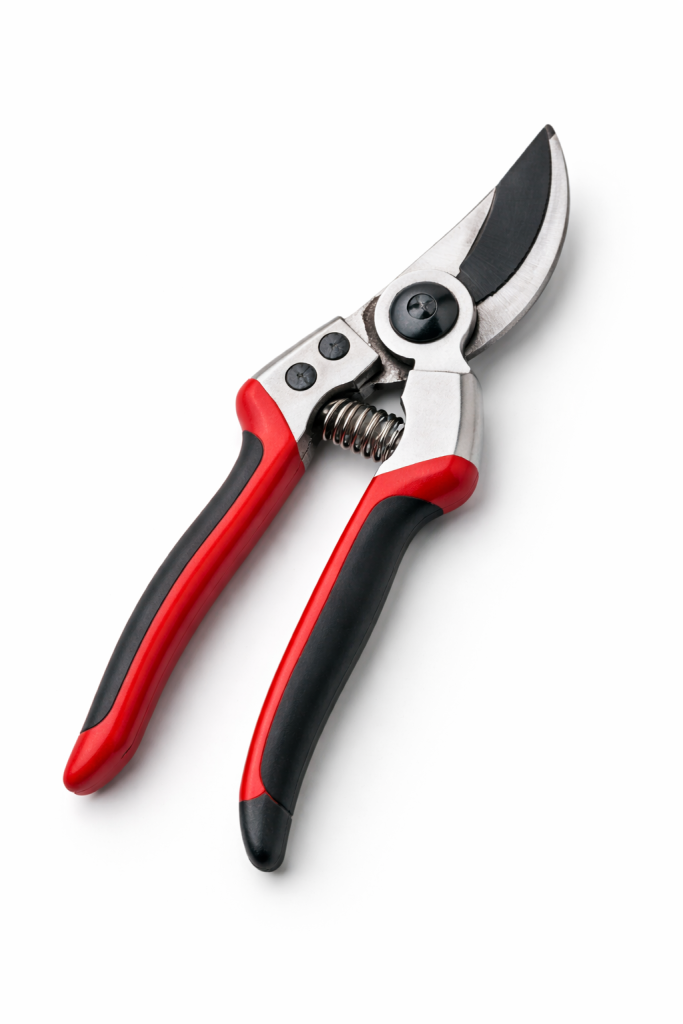
Professional pruning shears
An essential tool for roses, fruit trees and ornamental shrubs.
Lawn care: small, very useful interventions
If the weather permits:
ventilate slightly
distribute organic fertilizer
reseed the sparse areas
Even just 15 minutes of work now can save you from a mossy lawn in spring.
Bulbs and flowers: preparing the color of the coming months
February is ideal for planting summer bulbs such as:
gladioli
dahlias
lilies
And meanwhile the first blooms begin:
primroses
violets
camellias
almond trees
A small sign that spring is approaching.
Helpful tips for February (from experts)
✔ Check the weather often
✔ Never work soil that is too wet
✔ Plan crop rotations
✔ Clean and disinfect tools
✔ Prepare the seedbeds calmly: starting well is everything
February is the perfect month for those who want a productive garden and a healthy garden.
Start now with small tasks and you'll see results as early as March!
Check out the best tools and products for your garden:
Greenhouses and protective tunnels
Organic fertilizers
Pruning tools
Antifreeze fabrics

FAQ - Frequently Asked Questions
What can you plant in the garden in February?
In February you can sow spinach, lettuce, radishes, onions and in seedbeds tomatoes and peppers.
Is it too early to fertilize?
No, February is ideal for light fertilization with compost or pelleted manure.
Can roses be pruned in February?
Yes, it is one of the best times, as long as there are no severe frosts immediately after.
How to protect seeds from the cold?
With non-woven fabric, tunnel and natural mulch.
Is February a good month even for those who only have a balcony?
Absolutely yes: seedbeds and small balcony greenhouses are perfect during this period.

 Italian
  English